Orders are going up, sales are rising, but your warehouse is filling up. Prices of commercial real estate continue to climb, and expansion seems like a requirement. The issue is not the size of your building — it’s the inefficiency of how you are using the space in your current storage architecture. That is where Automated Storage and Retrieval Systems (AS/RS) come in. This article covers how automated storage solutions revolutionise warehouse operations, including types, processes, considerations and more. Keep reading!
Why Traditional Warehouse Racking Is Costing Your Business Money?
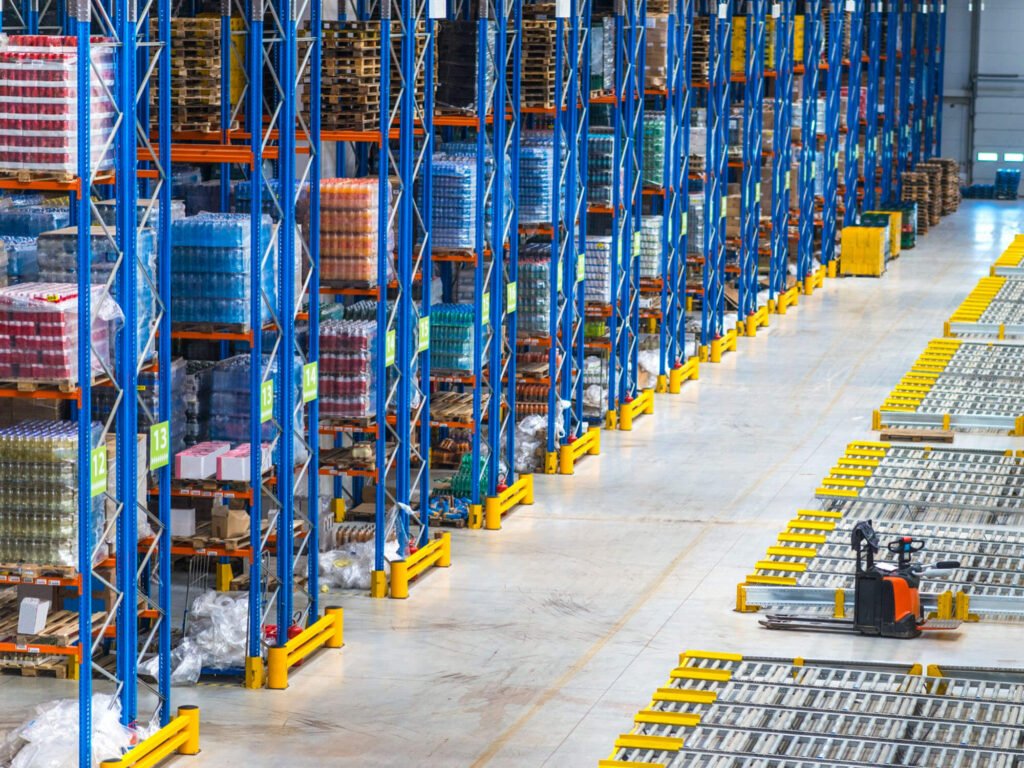
Most facility directors don’t realize that traditional warehouse racking is quietly bleeding your operating budget. Even with standard forklift use, 12 feet of aisle space must be provided between every single row of racks, which takes up more than 50% of total floor space and is full of nothing but air. The safety issues of working at height encourage inventory to be stored horizontally on the floor instead of being stored up in the racks towards the ceiling. Those lost aisles add up to millions of dollars of unnecessary real estate expense each year, at $10 per square foot. Installing more conventional racks never addresses the space issue, it just hastens the time to a expensive second facility. As soon as capacity reaches 80%, daily operations begin to noticeably suffer from congestion, lost stock, and decreased throughput.
What Are Automated Storage and Retrieval Systems (AS/RS)?
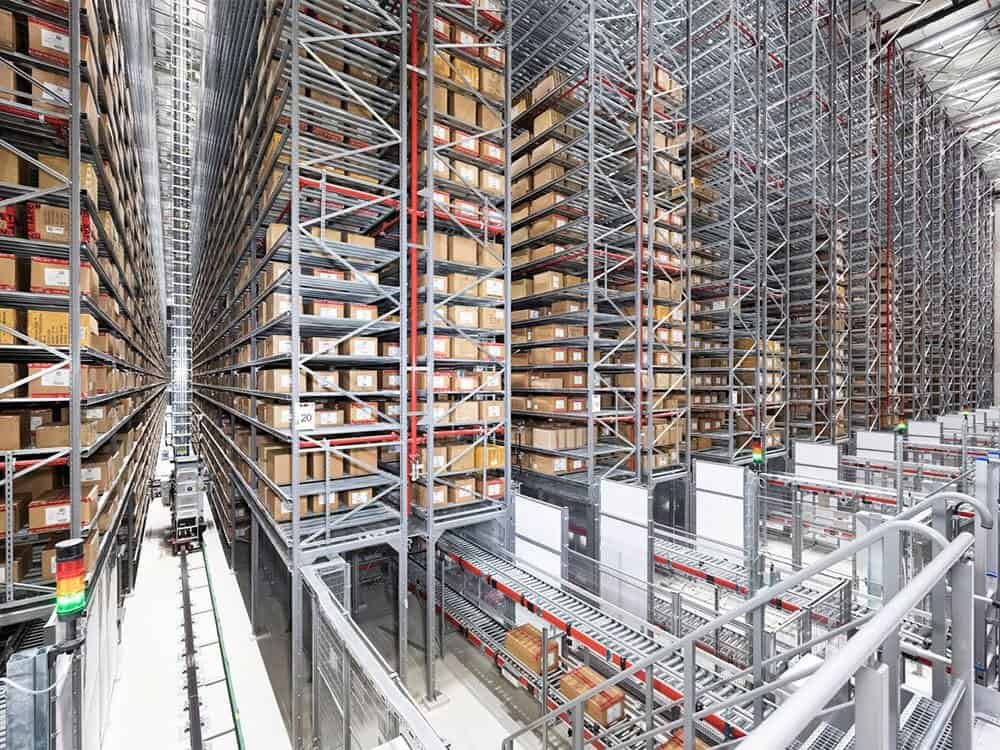
ASRS storage system is the hardware and software that is used to store and retrieve goods automatically. Storage racks are good for making the best of the vertical space and also cater to different load sizes in your facility. Loads are up to 3,000lbs and are precisely handled by automated cranes and robots. The robotic control system controls the movement of the machine, monitors the inventory status, and interfaces with current WMS.
The 8 Types of Automated Storage Solutions: A Decision-Maker’s Breakdown
Shelf & Tray Delivery Systems
Vertical Carousel Modules
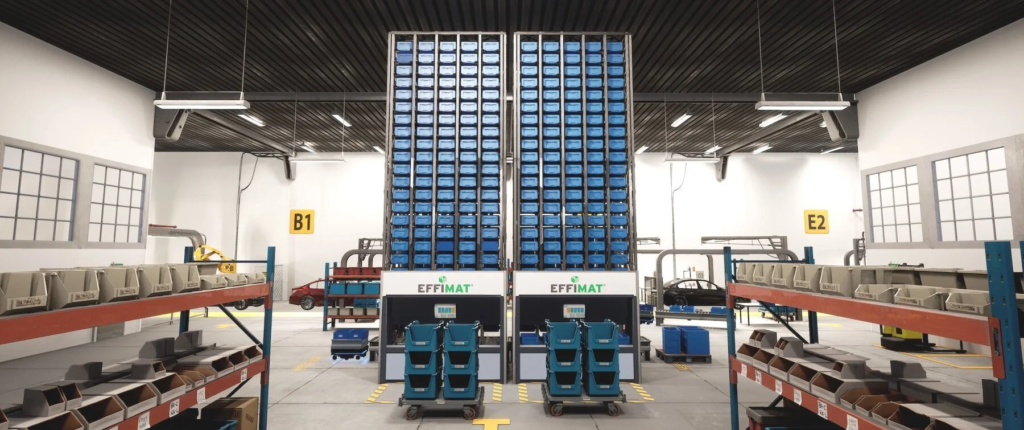
Vertical Carousel Modules provide a bi-directional chain-driven loop to provide stored goods. Carriers move up and down like a Ferris wheel, taking objects directly to operators. Up to 1430 lbs is reliably carried by each carrier. They have a throughput of 100-400 lines per hour, which is cost-effective for slow to medium velocity inventory.
Horizontal Carousel Modules
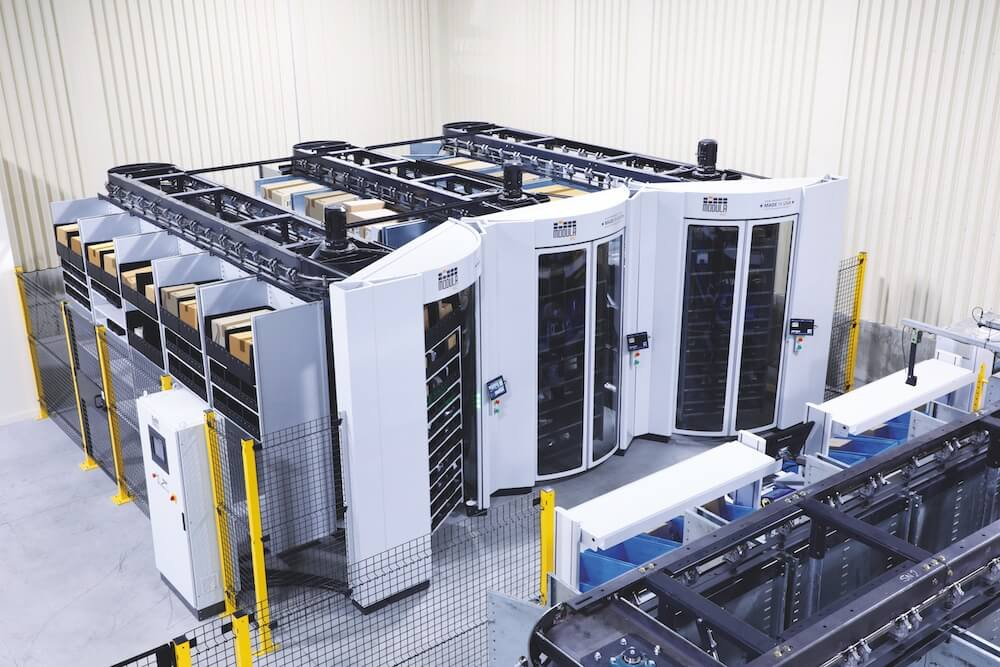
Horizontal Carousel Modules move full storage bins around an oval track to operators. Multiple units can operate at the same time grouped in pods to eliminate picker wait time. The carriers have a capacity of 2,000 lbs each. Pod configurations increase throughput to 600 lines/hour and have a very high overall space utilization.
Vertical Lift Modules
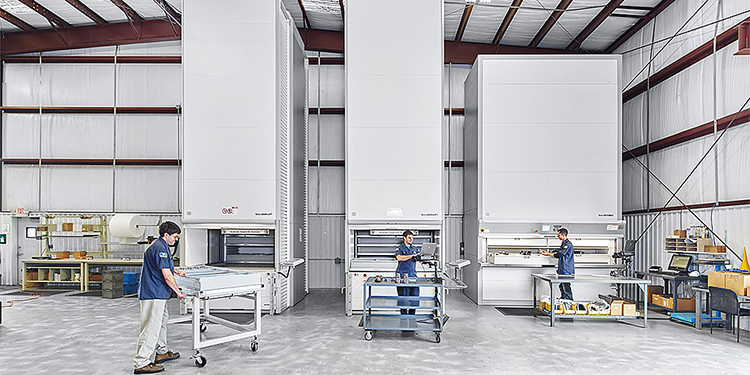
Vertical Lift Modules are designed to retrieve trays from two columns with a central inserter/extractor. Trays can be stored as close as 1 inch apart in the system dynamically. The capacity of each tray is up to 2200 lbs secure. This design can save up to 85% of space, which is ideal for the space requirements of frequently changing inventory sizes.
B. Bin & Tote Delivery Systems
Crane-Based Mini-Load AS/RS
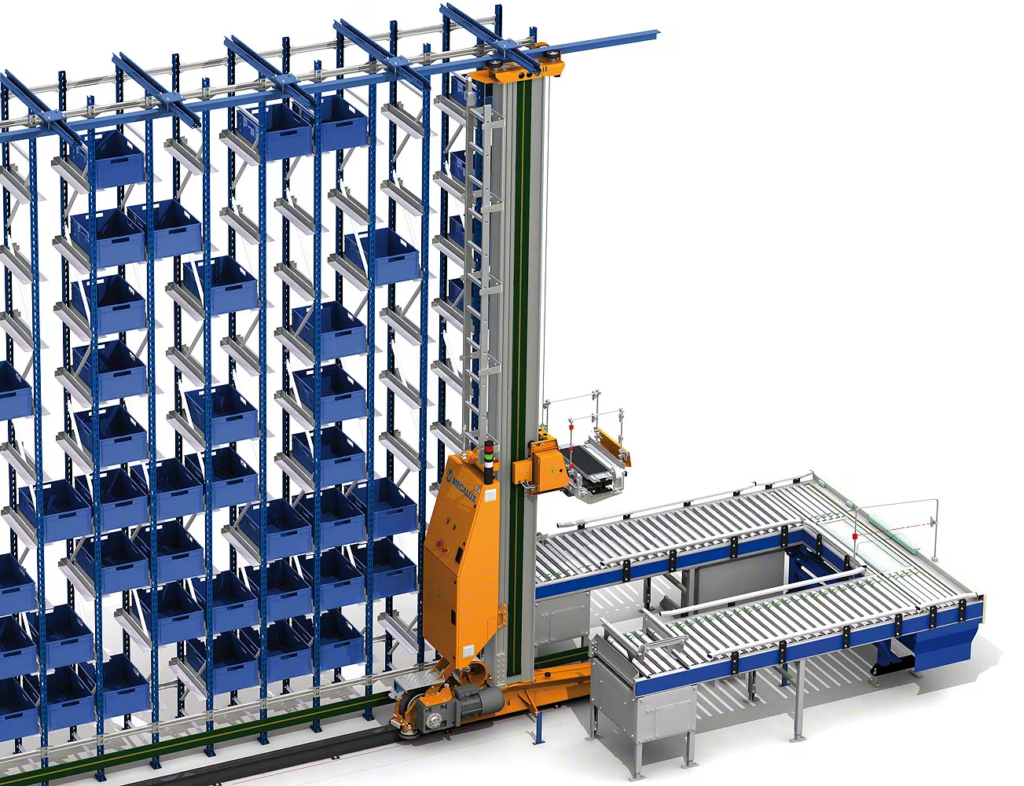
A single crane ensures consistent and high-speed tote retrieval per dense rack aisle. Single-deep configurations provide reliable 60-100 lines per hour. Double-deep setups result in 120 picks per hour. This system is best suited for operations with 10,000+ totes or 25,000+ SKUs.
Vertical Buffer Modules (VBMs)
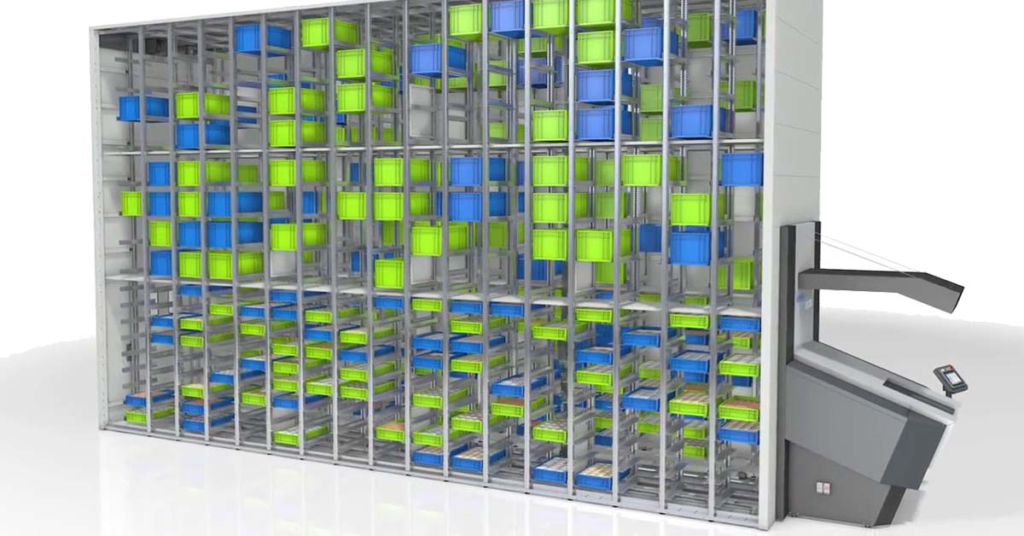
VBMs employ a shelving structure that is enclosed with a movable mast in the center. The mast automatically picks up and queues totes in front of the operator. Replenishment can occur in parallel to picking operations, avoiding expensive downtime. VBMs are designed to be modular and will scale efficiently for under 10,000 totes.
C. Robotic Delivery Systems
Robotic Shuttle Systems
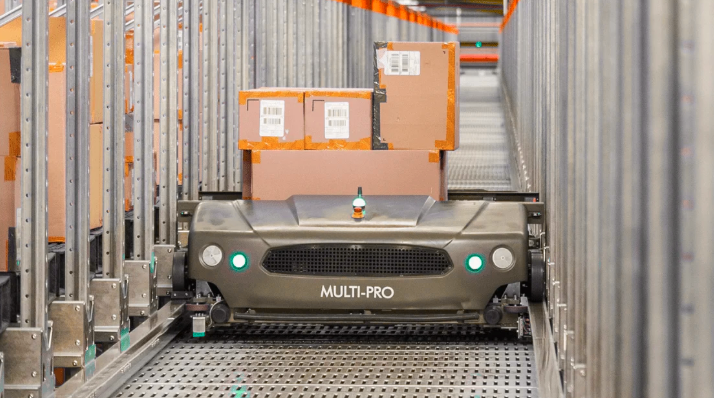
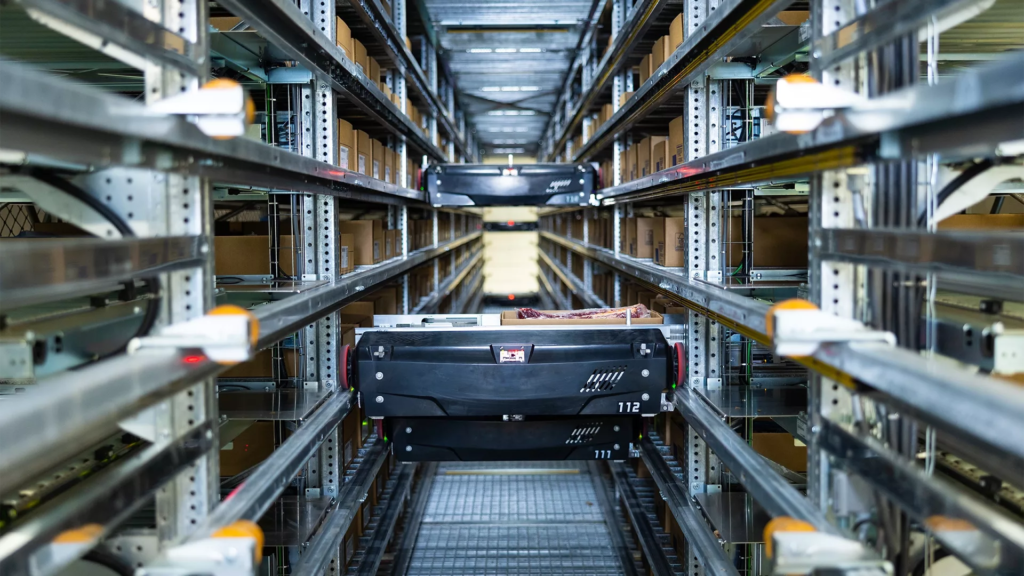
Independent shuttle robots move on narrow rails throughout all levels of storage. Any individual shuttle can easily and efficiently pick up cases or totes from 35 to 110 pounds. Simply add more shuttles for throughput ranging from 200 to 1,000 lines per hour. This modularity makes robotic shuttle systems ideal for high-volume distribution operations needing flexible capacity.
Robotic Cube Storage
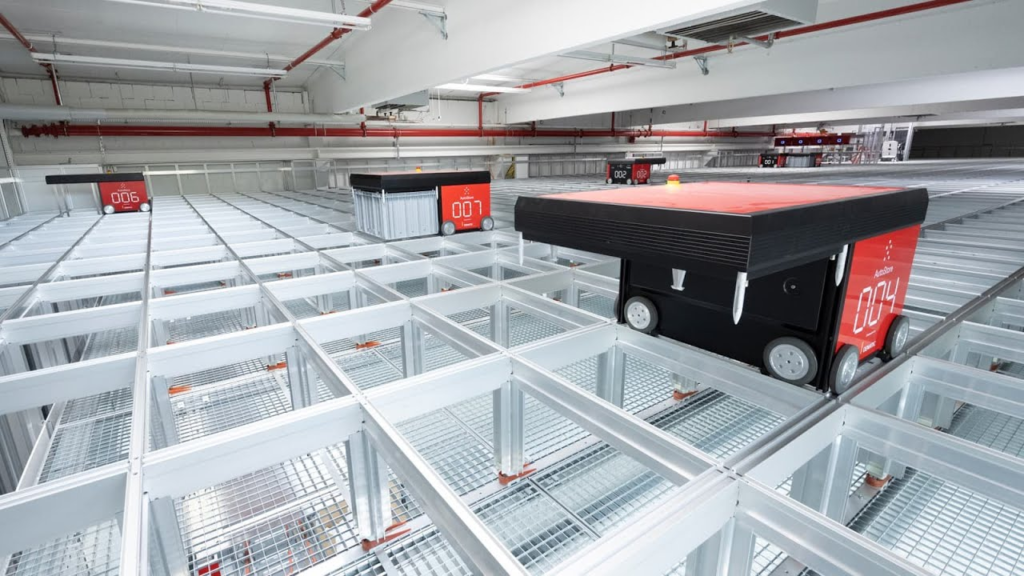
Bins are piled high in a tightly-packed grid, utilizing every inch of space. Robots at the top of the grid are wirelessly connected to retrieve inventory as needed. Self-charging capability enables robots to continue working without any planned downtime that impacts fulfillment. The modular grid adapts to almost any shape of the facility without structural compromise.
Floor Robots (AGVs/AMRs)
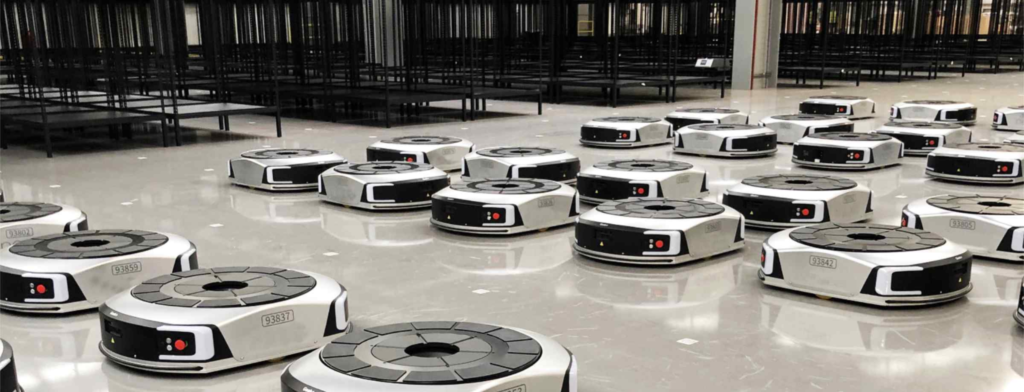
These robots carry whole portable shelving units straight to stationary human operators. Heavy duty models are able to support shelving loads up to 3,000 lbs. AMRs can move around dynamically, with onboard maps, cameras and sensors intelligently avoiding obstacles. AGVs operate on permanent routes on the floor, ideal for repetitive and consistently structured warehouse tasks.
ASRS Storage System Technology Comparison Matrix
| AS/RS Type | Throughput (Lines/Hour) | Max Load Capacity | Best For | Scalability |
| Vertical Carousel Module | 100–400 | 1,430 lbs/carrier | Slow-medium velocity items | Moderate |
| Horizontal Carousel Module | Up to 600 (pod) | 2,000 lbs/carrier | Multi-order simultaneous picking | Moderate |
| Vertical Lift Module (VLM) | 125–350 | 2,200 lbs/tray | Variable inventory sizes | High |
| Mini-Load AS/RS (Crane) | 60–120 | ~200 lbs/location | Large SKU counts (25,000+) | Moderate |
| Vertical Buffer Module | Varies | Tote-based | Small-to-mid operations | High |
| Robotic Shuttle System | 200–1,000 | 35–110 lbs | High-throughput distribution | Very High |
| Robotic Cube Storage | High (variable) | Bin-based | E-commerce, dense picking | Very High |
| Floor Robots (AGV/AMR) | 100–300 | Up to 3,000 lbs | Flexible, dynamic environments | Very High |
Key Business Benefits of Automated Warehouse Storage Solutions
1. Dramatic Space Reclamation
Forklift aisles can be removed, allowing for tight automated racking across your floor. Unlike human-operated equipment, robots can safely climb up to the ceiling. Automated storage solutions can optimise the use of space up to 85% in the current space.
2. Near-Perfect Inventory Accuracy
The automated handling guarantees, in all operations, a 99.9%+ inventory accuracy. Manual counts and costly phantom inventory are a thing of the past with real-time WMS integration. This effectively eliminates costly overstock and harmful stockout situations.
3. Accelerated Throughput at Scale
High speed and continuous warehouse operations are reliably maintained by automated sequencing and double cycle handling. Consistent performance during peak demand without the need for additional staff. Throughput is directly proportional to the number of robots or shuttles, not the number of workers.
4. Significant Labor Optimization
Goods-to-person systems remove the biggest hidden labour cost: Picker travel time. Ergonomic workstations can significantly decrease physical strain and the risk of injury in the workplace. Operations remain stable and productive despite the current strictest labour markets.
5. Enhanced Worker Safety
Every day, automated systems take workers out of hazardous, high-traffic forklift areas. This greatly decreases accidents, product collisions and repetitive strain injuries. The advantages of safety are particularly important in cold storage and hazardous environments.
6. Inventory Protection
With controlled automated handling, there is no damage caused by dropping, collisions or mishandling. Each motion is conducted with absolute precision in the absence of human mistakes, in a movement that is system-directed. For high value, fragile, or perishable items in particular.
7. Future-Proof Scalability
Modular AS/RS design grows without significant structural changes in the facility. Simply add robots, workstations or rack sections as demand grows. This method postpones the time of making expensive decisions about facilities expansion for 5-10 years.
AS/RS in Action: Industry Applications
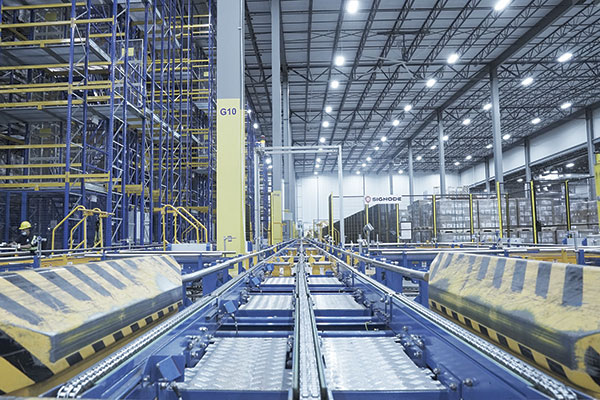
- Warehouse & Distribution Centers: Distribution centers with high SKUs are under constant pressure to deliver faster orders. Automated storage solutions save manual search time from thousands of active locations. Automated retrieval systems maintain a high velocity throughput reliably when seasonal demand spikes occur.
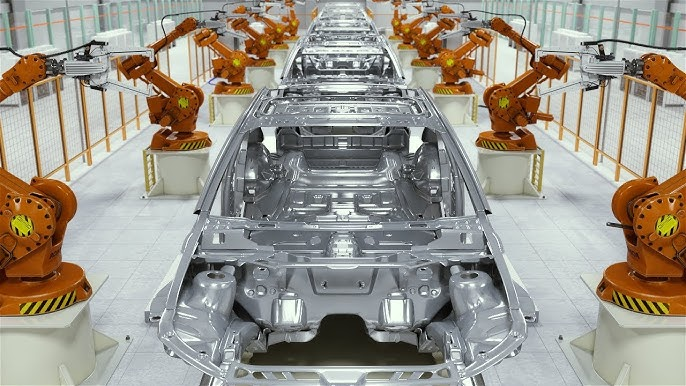
- Manufacturing & Automotive: Parts arrive late, production lines come to a standstill — AS/RS can eliminate this altogether. Robotic shuttles provide components line-side exactly as manufacturing sequences require. Just in time replenishment ensures that assemblies are not interrupted, while eliminating the cost of carrying excess buffer stock overhead.
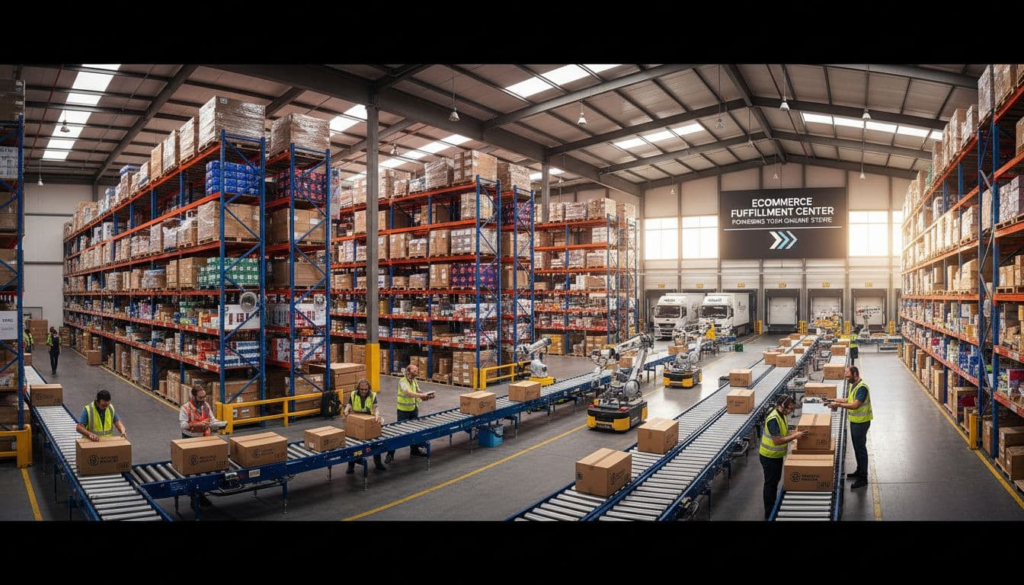
- E-Commerce & Retail Fulfillment: SLA is no longer a premium service; it’s now a minimum expectation. AS/RS is able to accommodate the proliferation of explosive SKUs while minimally increasing the size of the warehouse. Robotic cube systems have the ability to process thousands of individual order lines per shift with consistent accuracy.
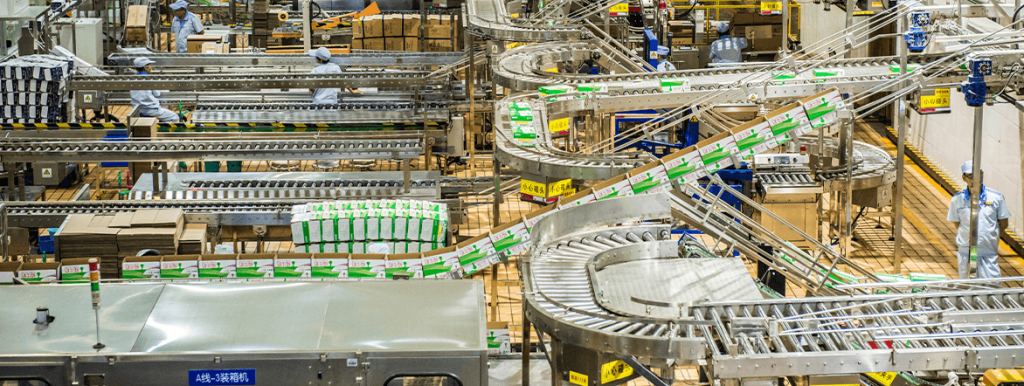
- Food & Beverage: FIFO is a strict rule for perishable inventory, which is common in the Food & Beverage industry, and manual systems often don’t meet this standard. Automated FIFO sequencing is enforced at each and every retrieval, preventing costly spoilage with automated storage solutions. The high rotation stock flows through faster while maintaining compliance and product integrity.
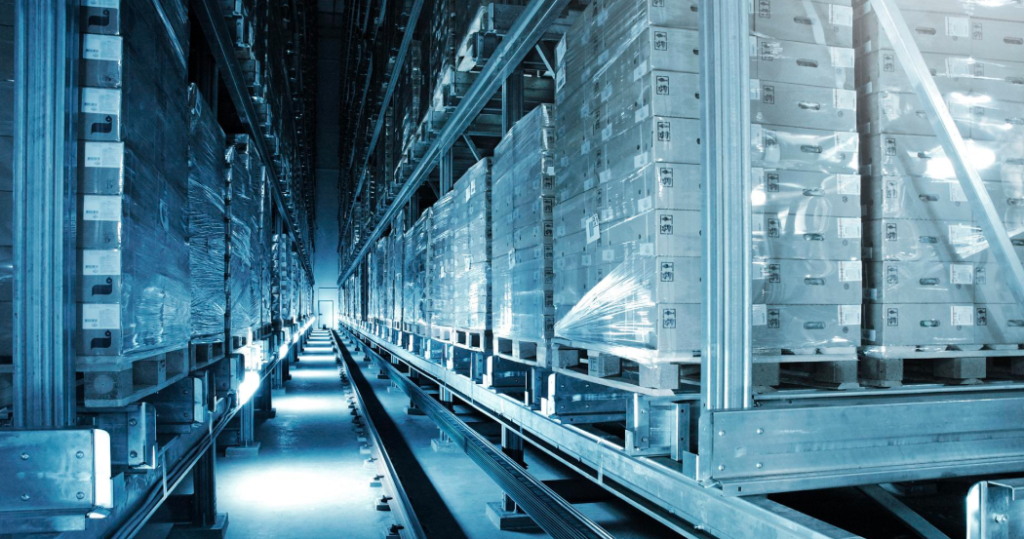
- Cold Storage & Frozen Environments: Freezer environments are hazardous and physically demanding for warehouse employees in the long run. AS/RS is dependable even in conditions below freezing, eliminating workers from the exposure of harmful temperatures altogether. Automated systems help to reduce door open time during retrieval cycles, increasing energy efficiency.
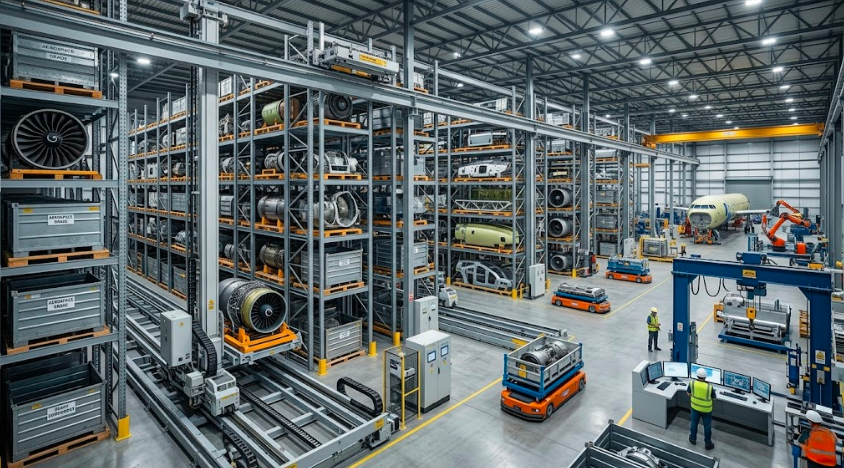
- Aerospace & Heavy Industry: Errors have regulatory and safety implications – component traceability is critical in aerospace. AS/RS records the exact time of each retrieval, ensuring a comprehensive and auditable log of inventory movements. Precision handling also helps avoid damage to costly, many times irreplaceable, high specification industrial parts.
Use Case Alignment — Which Warehouse Automated Storage Retrieval System Fits Your Operation?
| Business Profile | Primary Challenge | Recommended AS/RS Type | Expected Outcome |
| E-commerce fulfillment center | High SKU count, rapid order picking | Robotic Cube Storage / Robotic Shuttles | 3–5x throughput increase, 99.9% accuracy |
| Mid-size distribution center | Limited floor space, growing inventory | VLM or Vertical Carousel Modules | Up to 85% floor space savings |
| Cold storage facility | Worker safety, energy efficiency | Crane-Based Pallet AS/RS | Reduced energy loss, zero worker cold exposure |
| Automotive/manufacturing plant | JIT parts delivery, line-side replenishment | Mini-Load AS/RS / VBM | Faster cycle times, reduced line stoppages |
| Omnichannel retailer | Mixed inventory sizes, variable velocity | Hybrid AS/RS (Shuttle + AMR) | Flexible throughput, scalable to demand |
| Small-to-mid 3PL operation | Can’t cost-justify large systems | Vertical Buffer Module (VBM) | Low entry cost, modular expansion path |
How to Successfully Implement Automated Storage Solutions
1. Carry out a Thorough Operational Audit
First, create a baseline map of the number of SKUs, inventory velocity and throughput volumes. Separate slow, medium and fast-moving stock. Accurately record daily peak order volumes. This audit will form the basis for all future technology and design decisions.
2. Evaluate the physical characteristics of your facility
Carefully measure ceiling heights, floor load and existing column spacing. These physical limitations have a direct impact on the viability of the AS/RS architecture. Before designing any automated system, confirm the power supply capacity. Ignoring structural constraints leads to costly redesigns down the road.
3. Set Clear Performance Targets
Set clear throughput targets, storage density targets, and inventory accuracy targets from the get-go. Without clear objectives, systems will be smaller or bigger than needed and they will not perform well. Link all performance measures to actual business results, such as order fulfilment.
4. Choose the correct combination of AS/RS technology
Correlate AS/RS types with your unique inventory profile and velocity. Robotic cube storage is more suited to fast movers, while slow movers work best with VLMs. The most successful operations use two or more complementary technologies at the same time for optimal efficiency.
5. Seamlessly Integrate with Current WMS Infrastructure
Integrate your automated storage solutions with your current warehouse management system—you don’t need to replace it. There needs to be seamless and accurate data movement between both platforms for real-time inventory tracking. Before any hardware installation is made, ensure integration compatibility with your automation partner.
6. Educate Workers and Rework Processes
Rethink picking, replenishment and outbound processes in terms of the automated system’s logic. Provide comprehensive training to staff on system interfaces, exception handling and basic troubleshooting procedures. Costly operational disruptions in the transition period are dramatically reduced by well-prepared teams.
7. Be intentional about monitoring, optimizing and scaling
Monitor system KPIs on a weekly basis – throughput, accuracy percentages, downtime occurrences, etc. Use performance data to help determine the number of robots or shuttles required to reduce the bottleneck. Grow in scale by adding robots or workstations when order volumes continue to steadily increase.
Integrating & Designing: A Decision-Maker’s Implementation Roadmap
A. Conduct a Thorough Functional Evaluation
Regardless of which system you choose, you need to audit your operation on 4 key areas. The appropriate AS/RS architecture depends on your SKU count, size variation and weight range. The most crucial selection driver is inventory velocity — fast, medium, or slow movers. Wrong velocity and technology match is a direct assault on your anticipated ROI.
B. Assess physical limitations of your facility
Every automation decision you make is constrained by your building – and it’s hard and non-negotiable. The most important variable for any vertical AS/RS selection is ceiling height. High density systems tend to be heavy and must be checked early to determine the rating of the structure floor. Planning for the power supply, column spacing, and dock placement needs to be carefully mapped out.
C. Integrate Without Disruption — WMS, Hybrid Systems & the Handoff
The majority of enterprise AS/RS implementations interface with existing WMS (warehouse management systems) without needing to replace the software. High-performing operations generally use two or more types of automated storage solutions technology that are optimized to handle different types of inventory. Trackless AMRs and conveyor systems fill the gap between dense storage and shipping docks. No forklift exposure when goods are transferred from automated grid to truck.
D. Before making a commitment, build a Defensible ROI Case
With goods-to-person automation, there is no longer any travel time for the picker, and the direct dependence on humans is drastically reduced. Avoiding forklift aisles and going vertical can postpone extension of facility by 5-10 years. Automated handling removes mispick cost, returns and customer chargebacks with 99.9%+ accuracy. Automated systems are able to maintain 3 to 10 times throughput compared to manual processes.
E. Choose the Right Automation Partner
The choice of technology is important, but the choice of integration partner is ultimately what will dictate the results of the operation. Look for partners who have experience in a hybrid AS/RS system in a similar facility and throughput. Test their capacity to integrate hardware with your particular WMS stack with no long downtime. Uptime guarantees and preventive maintenance programs are firm promises that can’t be bargained with.
Automated Storage vs. Traditional Storage — Business Impact Comparison
| Metric | Traditional Pallet Racking | Automated Storage (AS/RS) | Improvement |
| Aisle space (% of floor) | 50%+ | Near-zero (robot access only) | 50%+ floor space reclaimed |
| Storage density | Baseline | Up to 85% increase | Significant capacity gain |
| Inventory accuracy | 95–98% (manual) | 99.9%+ | Near-elimination of mispicks |
| Throughput (lines/hour) | 50–150 (manual picking) | 200–1,000+ (system-dependent) | 3–10x increase |
| Labor dependency | High | Low-to-moderate | Stable ops in tight labor markets |
| Vertical utilization | Limited by forklift safety | Full ceiling height utilized | Full cubic space activated |
| Facility expansion timeline | 2–3 years at 80% capacity | Delayed 5–10 years | Major CapEx deferral |
The Lracking Leader in Reliable AS/RS Provider Globally in 2026
Lracking has been in the warehouse storage systems business for over 16 years, and is a trusted global provider of reliable automated storage solutions and high-density warehouse solutions in 2026. The company specializes in providing a range of storage solutions, including pallet racking, mezzanine flooring, and ASRS storage systems, among others, to meet the evolving needs of modern warehouses. With ISO and CE certifications, advanced manufacturing capabilities and exports to more than 70 countries, Lracking provides businesses with efficient design, quick production, safe logistics, and professional installation services for scalable and future-proof warehouse automation solutions.
Conclusion
Automated storage solutions are an effective way to maximize space, improve inventory accuracy, increase throughput and reduce the cost of running the warehouse for years to come. With the ongoing trend of growing labour shortages and real estate costs, the technologies of auto storage systems offer scalable and future-ready operational benefits across all industries. Prior to implementation, businesses should consider inventory profiles, facility limitations, and automation objectives. Lracking’s expertise, as a reliable partner, guarantees the design of your system, professional support, and AS/RS solutions tailored to your warehouse’s long-term growth and efficiency.
FAQs
What is the time to replace the traditional pallet rack?
When your facility is 80% full, costs start adding up with traffic congestion, lost inventory, and dropped throughput.
Is the ASRS storage system able to accommodate mixed product sizes and weights?
Yes — in a single hybrid deployment, modern systems can be used to manage pallets, cases, totes and individual pieces.
Will AS/RS work with our current WMS?
The majority of enterprise automated storage solutions enable seamless WMS/ERP integration and provide real-time inventory visibility.
Is it possible to use AS/RS in freezer/cold storage?
Yes — systems are designed for ambient, refrigerated and frozen environments, resulting in less wasted energy and eliminating workers from harsh environments.