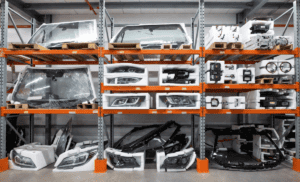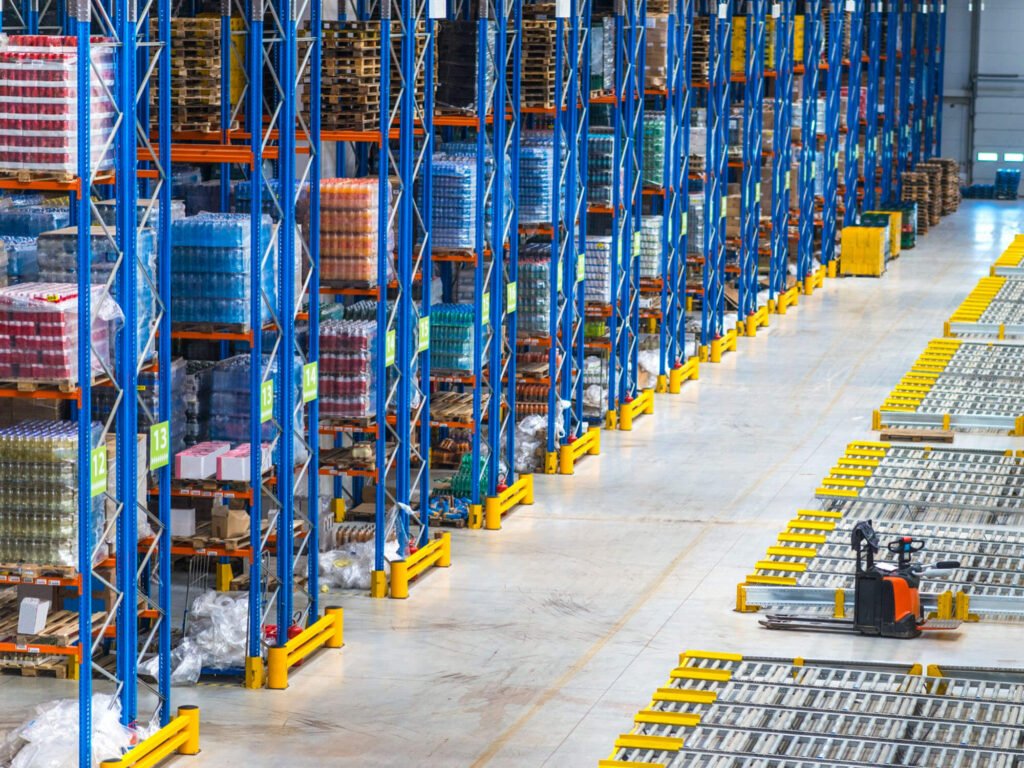
The methodical arrangement of parts in a way that they can be accessed easily and safely is known as automotive parts storage. You are able to streamline operations regardless of whether you operate a workshop, dealership, distributor or aftermarket retail business. The correct storage assists you to keep track of the inventory, prevent overstocking, and minimize waste. With an efficient arrangement of parts, you save time, preserve valuable parts and have a more efficient day-to-day operation.
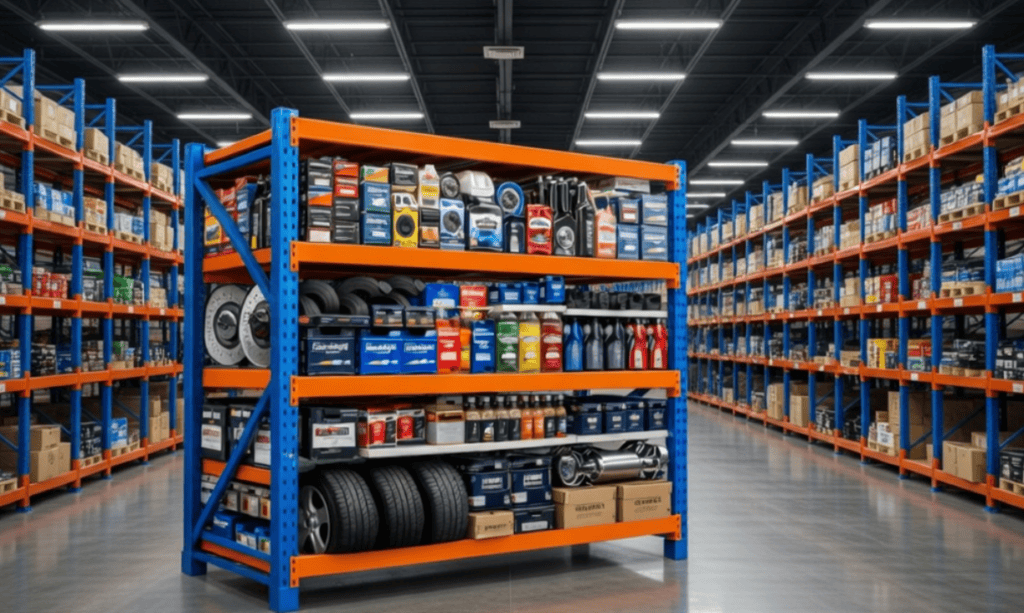
Why Automotive Parts Storage Solutions Matters?
- Maximizing Space Efficiency: Vertical racks, modular shelving, and compact bins ensure you utilize every inch of storage space. This is an easy way to move around and layout your workshop in an organized way.
- Protecting Parts from Damage: Proper storage shields parts from moisture, scratches, and accidental drops. By keeping parts in place, you save on replacement fees and prolong the lifespan of useful auto parts.
- Improved Organization and Accessibility: Categorized bins and labeled shelves help you quickly locate parts when needed. You spend less time searching, retrieval is quicker and your operations are smoother, without having to create unnecessary delays.
- Increased Productivity and Time-Saving: Efficient layouts and clear labeling systems ensure you find parts immediately. You save time, accomplish tasks quicker and prevent dead air during repairs or assembly processes in your company.
- Inventory Accuracy and Cost Savings: Keeping a systematic inventory prevents over-ordering or stock shortages. You follow components accurately, minimize wastage and budgets effectively to make sure your operations are cost-effective and profitable.
Types of Automotive Parts That Require Storage
Small Components
Minor items such as bolts, nuts, clips, and sensors need to be stored in an orderly manner. To avoid loss and confusion, use labeled bins and compartmentalized trays. When you need them, proper storage means that you will find them easily.
Medium-Sized Components
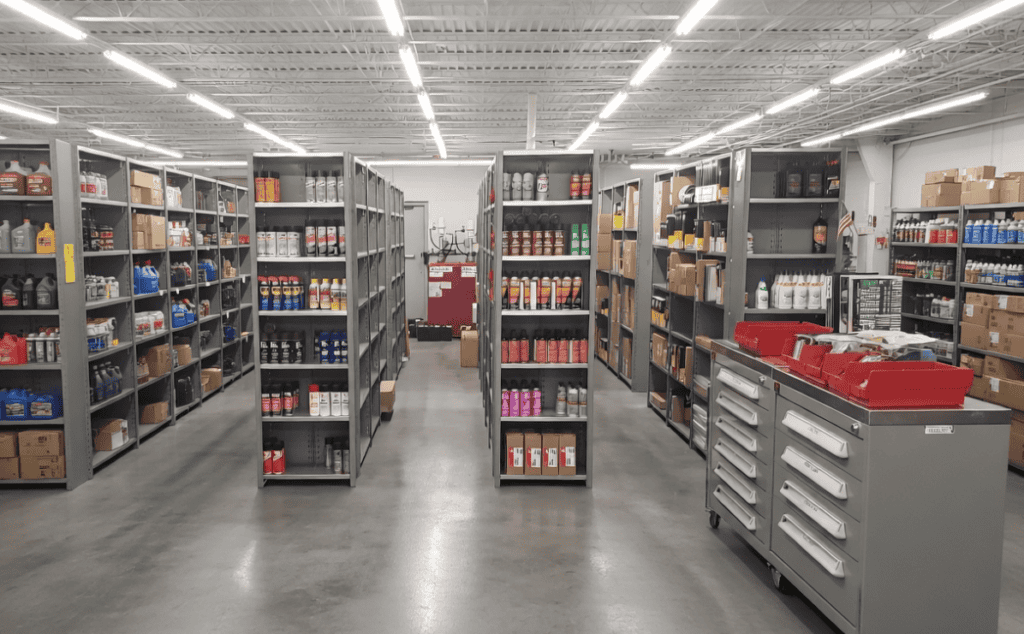
Pumps, filters, and brake pads require special shelves to be stored. You are to organize them in terms of type and size. This organization will minimize mistakes and assist you in having a smooth working process in your workshop setting.
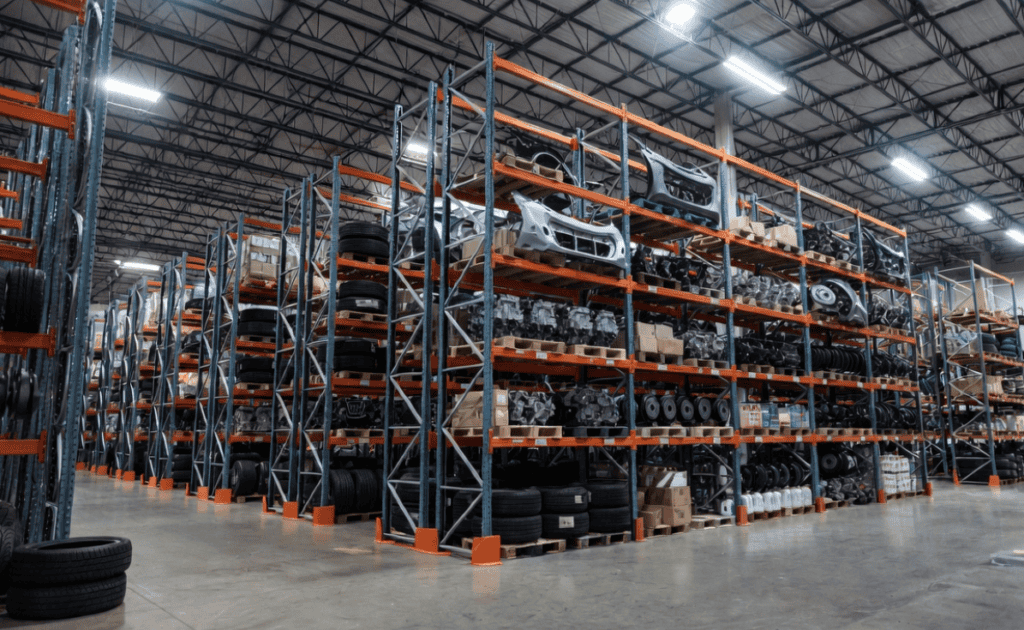
Large Components
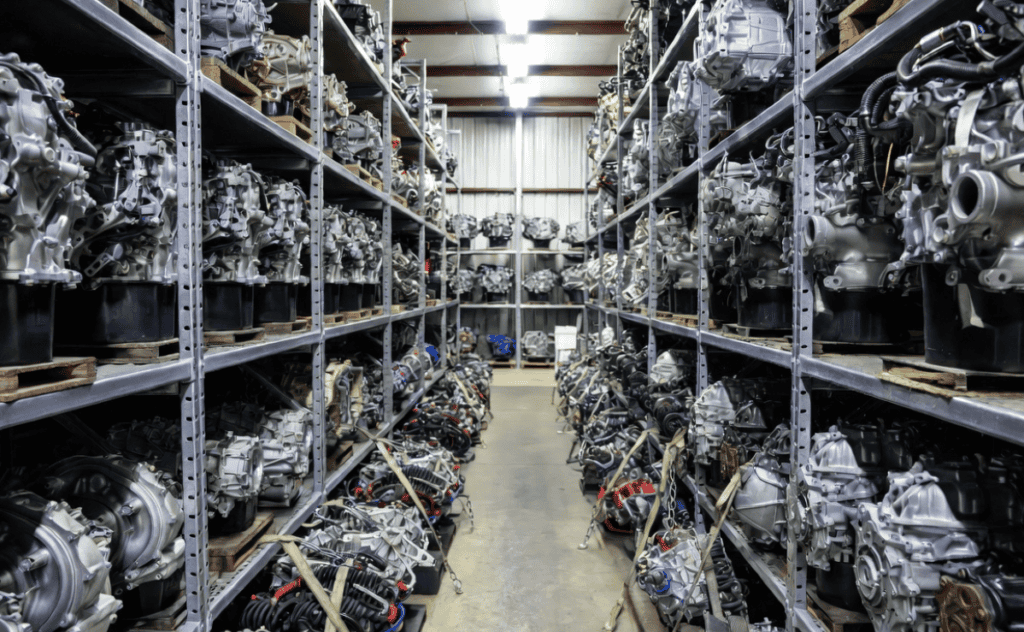
Engines, transmissions and axles require heavy duty racks or pallets so that they can be placed. These should be handled with care to prevent damages. By storing them correctly, you can be assured that you can relocate them easily whenever you need to carry out maintenance or installation.
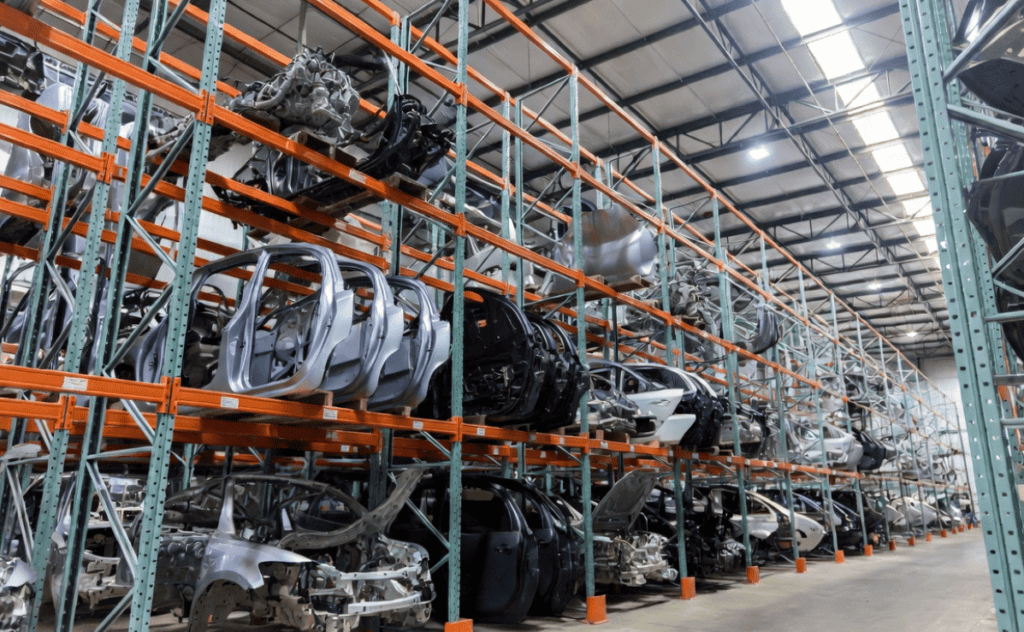
Fragile Components
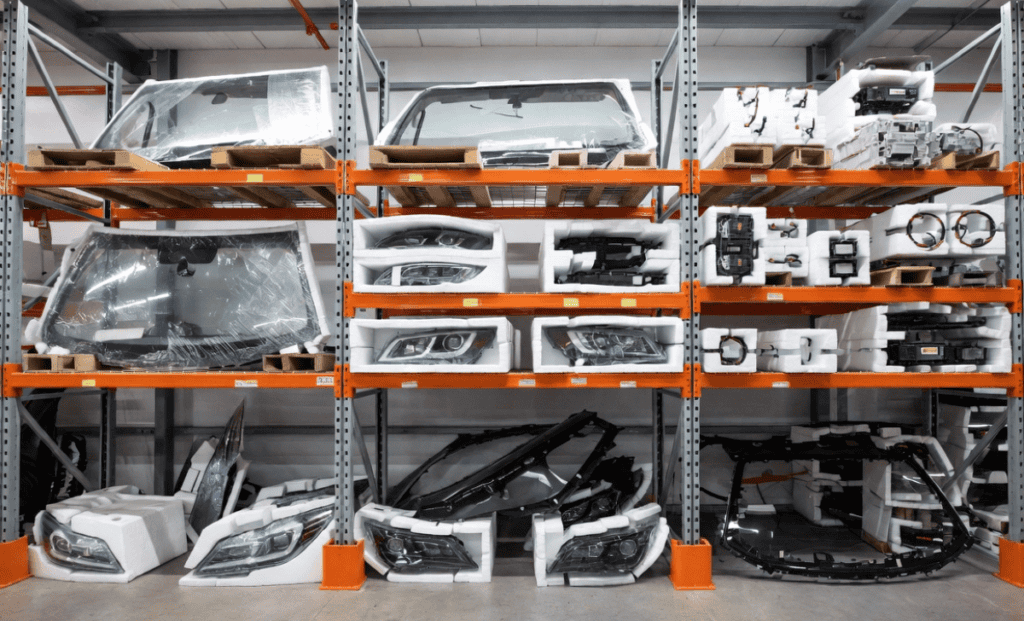
Sensitive sensors, electronics, and glass require climate-controlled and cushioned storage. Packaging should always be checked and stacking should be avoided. Proper handling will guard them against damages and you keep them working well to ensure your vehicles work well.
Hazardous Components
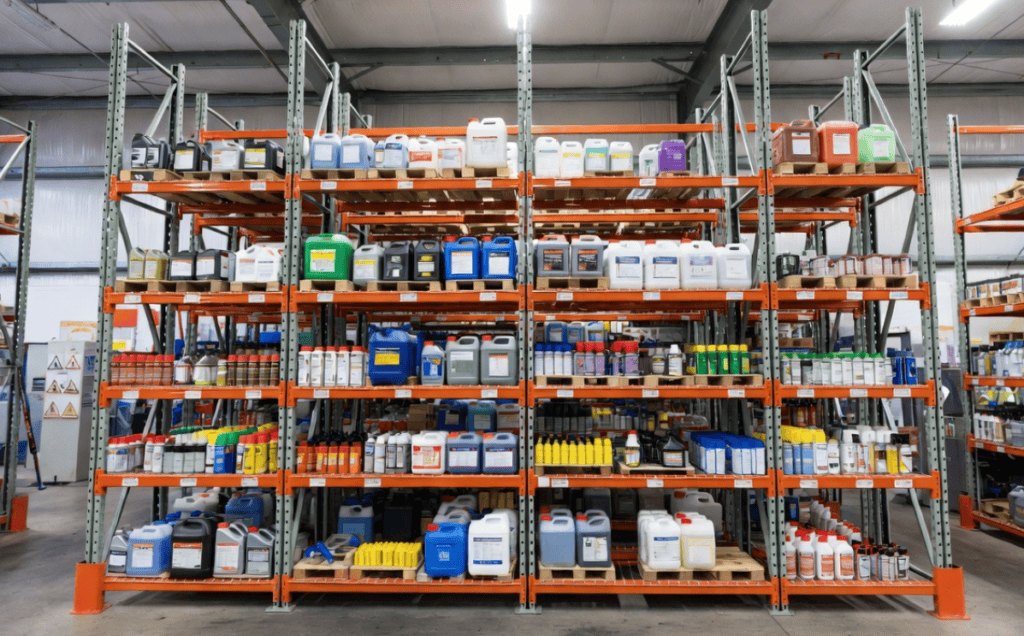
There should be secure and ventilated storage areas of batteries, chemicals, and automotive fluids. You should observe safety measures. Adequate containment avoids spills and mishaps and you minimize environmental hazards and maintain a clean and safe working environment.
High-Value Components
Monitored, locked storage systems are required in ECUs, infotainment units and special modules. You are to keep a careful eye on inventory. By keeping these parts safe, you maintain their worth, can find them when you need them, and prevent expensive repairs or theft cases.
Storage Challenges in Automotive Industry
Variety of Sizes and Shapes
There are various sizes and shapes of automotive parts, and it is not simple to organize storage. You need to design layouts to fit both large and small parts effectively.Components that are heavy and bulky.
Heavy and Bulky Components
Bulky parts need to be supported with reinforced shelving and special handling equipment. These heavy parts require the right tools and safety measures to move and store them without any risk of being injured.
SKU Complexity and Inventory Volumes
Thousands of SKUs make inventory management challenging. You need to install the state-of-the-art tracking technology to trace parts in a short time and ensure the correct stock amounts at all times.
Environmental Sensitivity
A lot of components are sensitive to temperature and humidity. You should manage storage conditions to avoid corrosion and warping or degradation that may impair performance.
High Turnover vs Slow-Moving Parts
Certain components are sold quickly and others are not utilized. You must also create storage areas that can be used to store fast moving items that can be accessed immediately and those that are slow moving, which can be stored in long-term storage areas.
Risk of Damage or Contamination
Components are at risk of being damaged or polluted. Protective packaging, handling, and cleanliness requirements are necessary to uphold quality and avoid expensive losses.
Types of Automotive Parts Storage Solutions
Shelving Systems
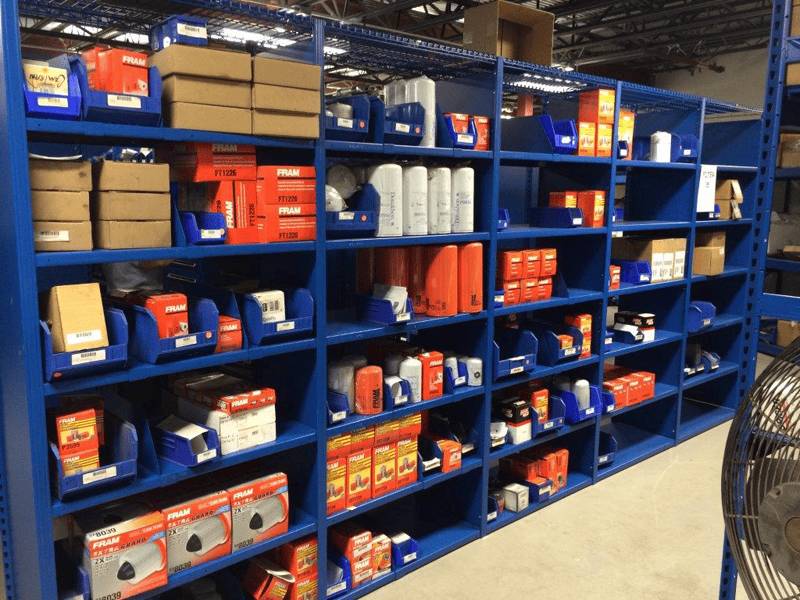
The shelving systems are flexible and can be used to store both small and large automotive parts. They comprise wooden, steel and heavy-duty units. Their adjustable shelves enable them to be used with large and small parts. Shelving systems will maximise the use of space and allow easy viewing of parts. They are ideal in workshops and warehouses where various categories of parts have to be accessed frequently.
Pros:
- Adjustable height, width, and number of shelves enhances storage capabilities.
- Applicable to large and small automotive parts.
- Gives visibility, which saves time spent in locating parts.
- Simple to wash and use over a long period.
Cons:
- May require additional labeling for quick part identification.
- Heavy-duty shelves may be costly to small workshops.
- Not suited to high security storage of costly components.
Storage Cabinets
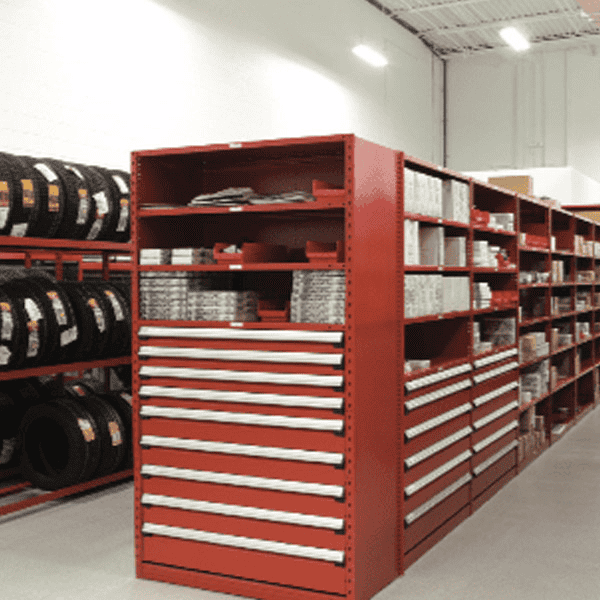
Storage cabinets ensure that parts are not exposed to dust, damage, and unauthorized access. They can be made of metal, wood or composite materials, and usually have adjustable shelves, drawers and locking mechanisms. Cabinets improve aesthetics in the workspace and also ensure that the workspace is professional and well organized. They are very good in high value automotive parts or tools which must be defended against the environmental factors.
Pros:
- Coats components against dust, moisture and other physical damages.
- The high value parts are locked away.
- Parts of different sizes can be easily fitted into adjustable shelves.
- The soft-close doors minimize the damages on the structures of cabinets.
Cons:
- Minimal storage space as opposed to shelving.
- Can be costly for larger multi-drawer cabinets.
- Heavy cabinets can be supported with more floor.
Automotive Parts Storage Drawers Systems
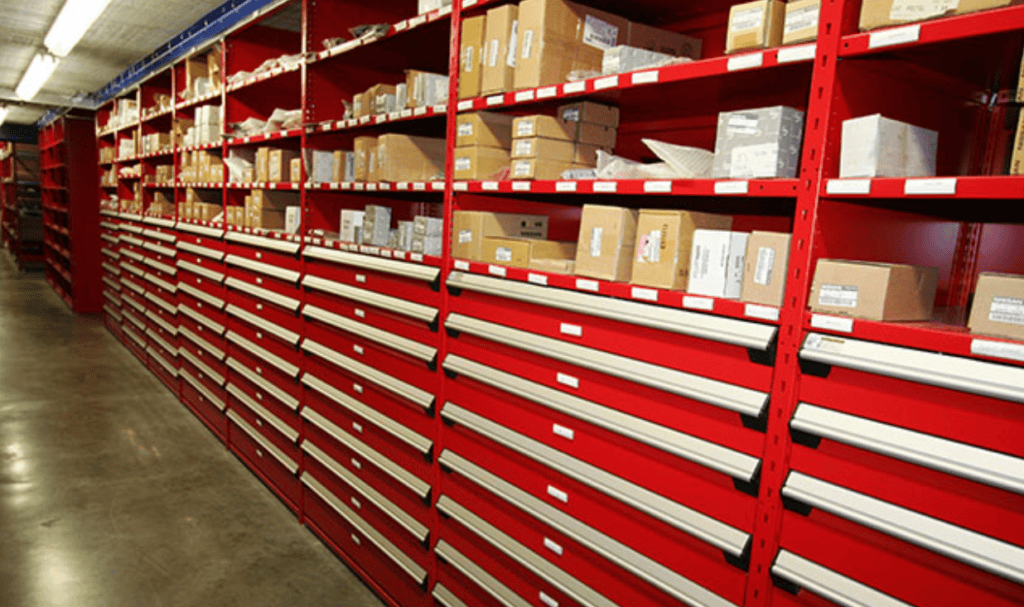
Drawer systems have small parts of the automotive system such as bolts, nuts, and washers that are well organized and stored in a small space. Most of them have modular designs with definite dividers thus enabling easy identification of the contents. They conserve space by compressing numerous small objects into a single convenient unit. Best suited in workshops and parts retailers dealing with large quantities of small parts.
Pros:
- Modular design can easily add or delete drawers.
- Part identification is made easy with clear and labeled dividers.
- Minimizes clutter by concentrating small parts.
- Enhances efficiency in the workflow when parts are commonly accessed.
Cons:
- Not very suitable with large or heavy automotive components.
- New part sizes might require regular rearranging of dividers.
- Can be expensive for high-quality modular systems.
Automotive Parts Storage Racks and Pallets
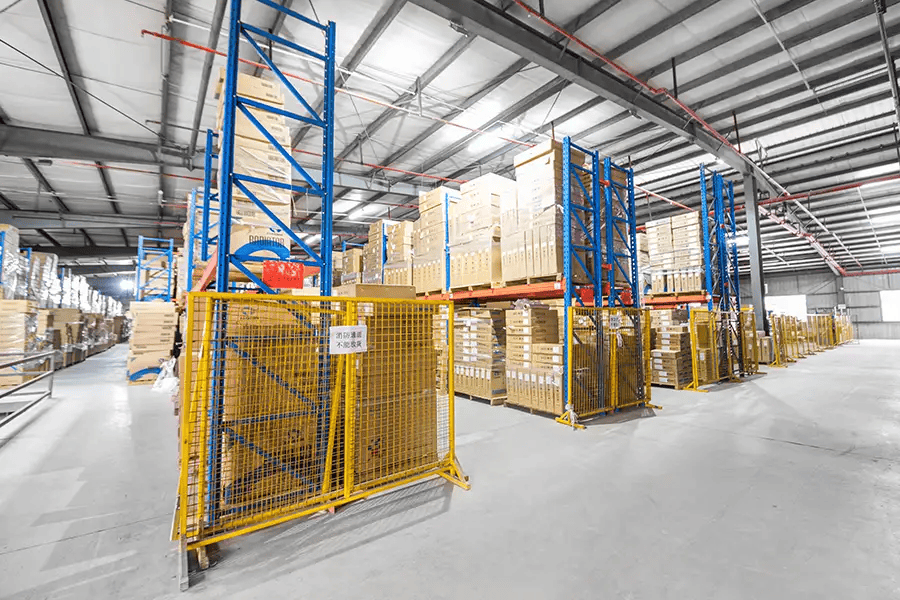
Vertical space is used efficiently with racks and pallets to store heavy or bulky products, like engines, tires and car frames. Pallets can easily be stacked and racks can be easily stored. Heavy-duty models sustain a big weight and allow access to forklifts. They are vital in warehouses, dealerships and large workshops that deal with bulk inventory.
Pros:
- Helps to support heavy and large automotive parts.
- Maximizes the vertical storage space.
- Minimizes floor debris and damage.
- Enables fast access using forklifts or pallet jacks.
Cons:
- Not suitable for small parts without additional bins.
- Needs forklift or pallet jack to handle well.
- Installation and maintenance may be bulky.
Automotive Parts Storage Bins and Containers
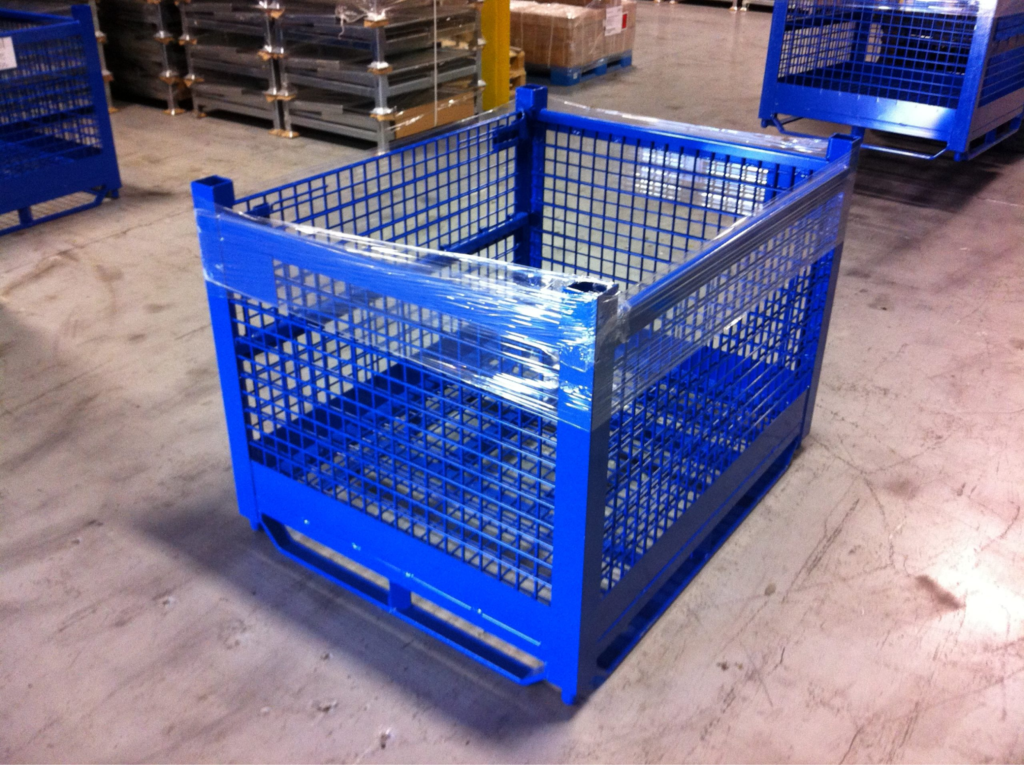
Bins and containers offer modular and flexible small to medium parts automotive storage. It can be identified quickly by the use of color-coded or transparent options. Stackable designs utilize the maximum of the vertical space and may be reconfigured as the inventory increases. They are perfect in workplaces where the storage of fast-moving parts that require a versatile, organized, and accessible storage system is required.
Pros:
- Stackable and modular to maximize space.
- Bins with transparent or color-coded parts enhance the visibility of parts.
- Reconfigurable easily to accommodate inventory changes.
- Saves time in searching and finding parts.
Cons:
- Small bins are prone to misplaces or mixing without labeling.
- Not applicable to very heavy or oversized parts.
- Plastic bins may be worn out due to frequent handling.
Automated Storage and Retrieval Systems (AS/RS)
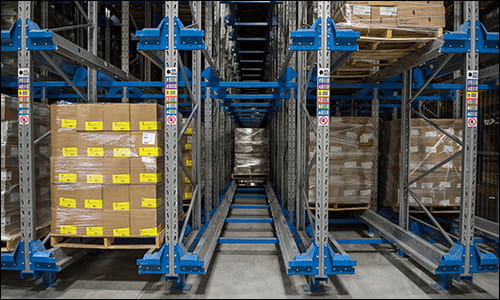
Automated Storage and Retrieval Systems are a mechanized system of storage of automotive parts that is controlled by a computer. Accurate handling of small, medium and high value components enhances efficiency. It can be integrated with warehouse software, which allows picking quickly, safe storage, and tracking inventory in real time. High density or stackable designs maximise the use of space and labour. They are best suited in warehouses and large workshops that require automated, orderly and sure storage mechanisms of high volume inventories.
Pros:
- Doubles storage capacity and conserves floor area.
- Improves accuracy of inventory through automation.
- Minimises human handling and labour expenses.
- Fast storage and retrieval enhance efficiency in the workflow.
Cons:
- Initial investments are high as opposed to manual systems.
- Maintenance involves technical know-how and regular servicing.
- Not applicable to small workshops with low volume of inventory.
How to Choose the Right Automotive Parts Storage
- Weight Capacity: Always check racks’ weight limits before storing parts. Select the material that will not bend or collapse when carrying the heaviest elements, and is secure enough to be used over a long period of time.
- Type and Size of Parts: Match storage solutions to parts’ dimensions. Components that are small, medium, large, or long need particular racks. This will keep it properly organized and avoid damage when handling or retrieving it.
- Warehouse Layout: Design storage to maximize space efficiency while keeping aisles clear. Organize racks in a logical manner such that you sustain a workflow and minimize unwarranted movement in day-to-day operations.
- Accessibility: Place fast-moving parts within easy reach. Store heavy or large-size items in less convenient locations. This will enable you to save time and enhance overall productivity of the warehouse.
- Budget Considerations: Balance cost with durability and longevity. Quality materials will save on the need to replace materials often. Affordability and reliability over time should be the priorities when it comes to choosing solutions that would help you.
- Future Expansion: Choose modular or adjustable racks to accommodate growing inventory. Storage layouts can be reconfigured easily, which saves time and money when you need to add new parts, or when you need to change inventory.
- Safety Standards: Always comply with OSHA or local safety regulations when selecting storage. Well-fitted racks will avoid accidents and you will be certain that your work place is in legal and working safety standards.
Smart Layout Tips for Automotive Parts Storage
Separate Fast-Moving and Slow-Moving Parts
Arrange your inventory according to frequency of demand to save time. Store fast moving objects that need to be readily available and slow moving components at less convenient spots to ensure smooth working processes.
Use Color-Coded and Standardized Labels
Labeling makes it easier to identify and lessens mistakes in picking. The color codes, numbers or similar naming conventions on shelves allow you to find parts easily in any shelf, which makes operations run smoother in day-to-day activities.
Maintain Clear, Wide Aisles
Large aisles assure the safe movement of employees and forklifts. To avoid accidents and increase efficiency, always maintain clear pathways and equipment obstructions.
Optimize Vertical Space Efficiently
Vertical storage makes the most out of your warehouse space. Sliding racks or stackable shelves can enable you to store more parts without risking important parts or placing them in a place that is difficult to reach.
Implement Inventory Software and Audits
Monitor inventory with computerized systems to prevent stockouts. Regular audits can be carried out to check the stock, data must be the same as the physical stock to assist in better planning.
Store Fragile Items Separately
Store fragile items in safes to avoid destruction. You can minimize replacement costs by isolating vulnerable components and treating them with care when retrieving and storing them in the process.
Follow Safety Procedures Strictly
Follow all safety measures to avoid accidents in the workplace. It is possible to train employees on a regular basis, wear appropriate protective gear, and implement regulations on safe work in automotive storage warehouses.
Regular Cleaning and Decluttering
Have a tidy storage space to enhance efficiency and minimise damage. To have a safer and more productive workspace, you can check shelves frequently, get rid of the things that you do not need, and systematize parts.
Common Mistakes to Avoid
| Mistake | Impact |
| Overloading racks | Causes bending, part damage, and potential accidents |
| Poor organization | Slows retrieval, increases errors, and misplaces items |
| Ignoring safety measures | Leads to workplace injuries and damaged parts |
| Wrong rack selection | Wastes space and limits accessibility |
| Blocking aisles | Reduces workflow efficiency and increases errors |
| Neglecting maintenance | Rust and wear reduce rack durability |
Lracking: Your Trusted Partner for Automotive Parts Storage Solutions
Lracking, a prominent manufacturer of warehouse storage solutions in China has more than 16 years experience of manufacturing quality pallet rack, mezzanine flooring and specialized storage. IRacking has ISO and CE-certified products, and can provide customized designs to fit your warehouse size, maximizing space and efficiency. The clients enjoy precise quotes, quick manufacturing, safe international delivery, and step-by-step installation instructions. Lracking serves more than 70 countries and large Fortune 500 companies with durable, reliable, and cost-effective storage solutions to secure inventory, enhance workflow, and satisfy the needs of various automotive parts storage.
Conclusion
Efficiency and safety requires proper storage of automotive parts. It safeguards parts against destruction and prolongs their life. You save precious time as you can find parts fast and keep the working process going. Considerable planning and appropriate storage facilities minimize mistakes, eliminate clutter and enhance efficiency. Quality racks, bins, and cabinets will make your operations cost-effective and efficient. Through the right storage habits, you have a safe, reliable, and high-performing automotive workspace at all times.
FAQs
What are the most suitable storage options of automotive parts?
There are shelving systems, cabinets and drawer units to provide efficient storage. Bins and racks can be used to segregate small and large components. The solutions are available depending on the size, quantity, and accessibility of parts. Proper selection of storage will guarantee durability and convenience of accessing items.
What is the best idea concerning sensitive parts storage?
Climate-regulated units help avoid corrosion, humidity, and temperature damages of sensitive components. Metal components are safeguarded by anti-rust coatings or airtight containers. By storing delicate parts properly, you can ensure that they will last longer. Adequate maintenance eliminates expensive repair or downtime.
What can I do to maximize storage space?
Space is efficiently used by vertical racks, modular shelving, and stackable bins. You are able to arrange more components without messing up the work place. Considerable positioning guarantees rapid access and improved inventory control. Use of maximum storage space aids in ensuring a safe and productive work environment.