
What Is FEFO?
FEFO abbreviates First Expired, First Out, which is an important inventory management philosophy. It makes sure that the closest items in terms of expiry date are used or sold. In contrast to FIFO, FEFO concentrates on the expiry dates, as opposed to the arrival of the stock. This method assists in minimizing wastage since products do not go to waste after being stored. It also preserves the quality of the products so that the customers get fresh and safe products. FEFO helps businesses to comply with the regulations and to enhance the efficiency of inventory. You gain by having safer products and uniform quality along supply chains. in a variety of industries today.
How the FEFO Method Works
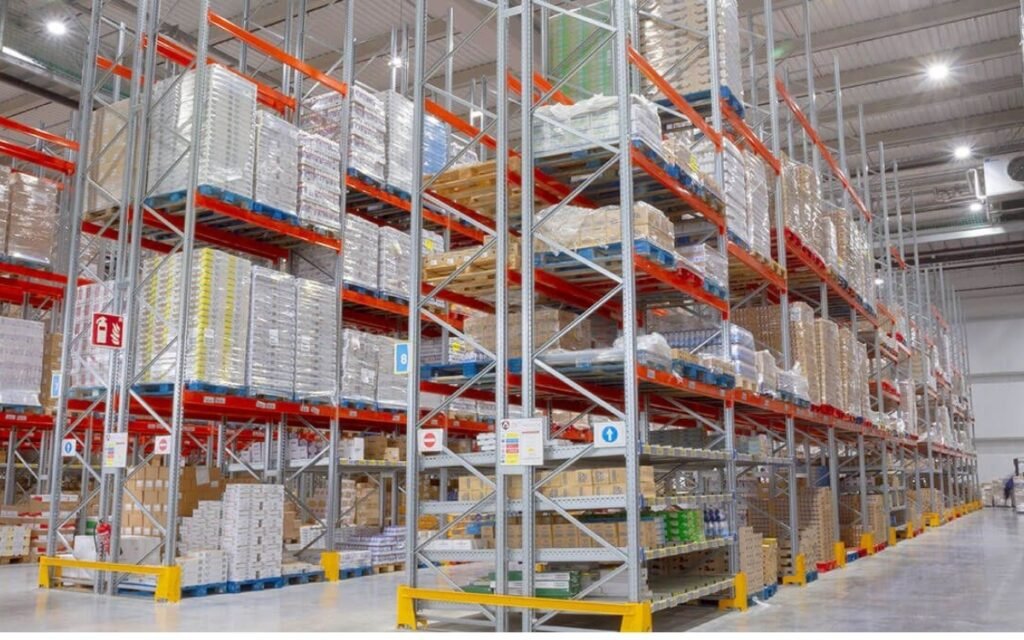
FEFO makes supply chains to operate according to expiration dates, rather than arrival order. You get stock and you accurately write down the expiry of each item. Goods are then sorted and stored by the staff in such a way that the first to expire goods are kept visible. When picking, the workers will always pick the product with the closest time to expiry date. The same applies to dispatch so that there is no waste and quality is ensured. The fundamental rule is to be the first to expire, the first to be given operational priority. This method can be used in a pharmaceutical or food warehouse to minimize spoilage, provide compliance, and safeguard consumer safety.
Why FEFO Is Important in Inventory Management
Reduced Waste and Spoilage
FEFO makes sure that the first to expire are used. When considering what is FEFO, it becomes clear that this strategy will not allow the products to go to waste until they expire. You will be able to save a lot of money due to spoilage and damage. It maintains stock fresh and minimizes unwarranted disposal expenses.

FEFO is effective in ensuring the quality of products is maintained throughout the inventory. Goods are used or sold before they become noticeably spoilt. You bring out products that are up to the expected standards. This creates credibility and enhances your brand image in the long run.
Better Regulatory Compliance
There are numerous businesses that demand a high degree of compliance with inventory management regulations that are based on expiration dates. FEFO streamlines operations in line with these legal and safety requirements. You elude fines, recall, and compliance-related hassles with ease. It provides adequate documentation and tracking of your inventory procedures.

Increased Customer Satisfaction
Customers want fresh, safe and reliable products each time they buy the product. FEFO ensures that older products are sold first before new products. You always perform to your expectations by giving quality products. This translates to improved reviews, repeat purchases, and improved customer loyalty.

Cost Savings and Profitability
Minimization of the waste will reduce the cost of operations and replacement tremendously. FEFO reduces financial losses that are brought about by expired or unsellable stock. You make the best use of stock and enhance general efficiency. This helps increase profitability and resource allocation in the long run.

Enhanced Inventory Visibility
FEFO involves proper monitoring of expiration dates and inventory. This enhances the visibility of your inventory management system. You have a greater control over the levels of stocks and the condition of products. It allows making smarter decisions and minimizes the risks of overstocking or shortage.

How to Implement FEFO in Your Business
Assess Inventory Types
You have to check on inventory to find out perishable or time sensitive products. People also ask about what is FEFO? The answer is that the process of targeting those products that contain expiration dates, batches, or have short shelf life. Sort products according to the risk of spoilage and regulatory needs. This will assist you to prioritize FEFO implementation.
Use a Warehouse Management System (WMS)
Install a warehouse management system to automate stock rotation and expiry. Make sure the system gives notifications when the products are near their expiry dates. Items that have the latest expiry date should always be picked first by automated picking rules. This saves on wastes and enhances precision.
Labeling and Identification
Label each unit and storage container with clear labels indicating expiration dates. Scan and time track using barcodes or RFID systems. Labeling helps workers to know which items to pick first due to consistency. This minimizes human errors during operations.
Organize Storage Layout
Design storage areas products with earlier expiry dates easily accessible. Move goods with an expiry date closer to picking areas to save time. Divide products into categories and shelf life using zone based storage. Structured designs enhance productivity and ensure FEFO.
Train Staff
Train on FEFO principles and the reasons why adherence ensures quality of the product. Give instructions on how to receive, store and pick on expiry dates. You ought to support processes with training sessions and performance reviews. Professionally trained employees minimize errors and ensure the inventory is regularly turned over.
Set Standard Operating Procedures (SOPs)
Put in place a system of receiving goods with date checks and records. Define rules items are sorted as per their expiration priority. The process of picking and dispatching should always be based on FEFO selection. Clear SOPs can assist you in ensuring uniformity and responsibility in operations.
Conduct Regular Audits
Carry out audits to check levels and near expiry products. You track expiration dates by system reports and physical inspection. Discuss discrepancies as they happen to avoid losses and keep proper records. Audits enhance FEFO compliance and enhance inventory control with time.
Typical Problems in FEFO and Ways to solve them
- Data Accuracy Problems: FEFO is interrupted by data accuracy problems such as inaccurate or missing expiry dates. Tracking leads to poor management of stocks, between batches and storage sites due to manual entries.
- Technology Requirements: Technology requirements will involve an automated warehouse management system that will be used to automate FEFO. Initial software could be costly, and improve accuracy and traceability. real time inventory visibility.
- Training Needs of Staff: There is important to train the staff about what is FEFO and its installation in warehouses. Master the art of working with new systems and workflows; the staff members must know about expiry priority and adhere to new procedures.
- Warehouse Layout Problems: Problems with warehouse layout occur when the warehouse storage is not able to accommodate FEFO flow. Re-design picking paths through re-arranging racks and ensuring they are more accessible. do not forget to send the older stuff first.
- Supplier Variability: Supplier variability makes FEFO difficult to manage since arrive with varying expiry. The commodity of supplier agreements and batches arrival diminish risks. of mismatched inventory rotation issues nowadays.
Best Practices in a successful FEFO Implementation
- Automated Tracking: Automated tracking systems reduce manual errors in FEFO management processes. Scanning is an immediate way of ensuring the right visibility of the expiry date. Improves productivity in a warehouse and reduces wastage.
- Inventory Data Accuracy: Accurate inventory records ensure proper FEFO execution in warehouses. Periodical audits will be handy in maintaining the stock information levels up to date. Gets rid of the discrepancies and enhances reliability consistency of the supply chain.
- Visual Indicators: Color coding helps quickly identify product expiry status visually. Red and green tags make decision making in the warehouse easier. Minimizes the amount of confusion and accelerates the workflow of FEFO operations.
- Supplier Shelf-Life Agreements: Supplier agreements ensure consistent shelf life expectations alignment standards. Reduces the disagreements on the out of date or almost out of date goods. Enhances effectiveness among supply chain partners in terms of FEFO planning.
- System Integration: ERP and WMS integration improves real time inventory visibility. Enables the coordination of warehouse and planning team. Facilitates automated FEFO assignment and eliminates errors.
- Continuous Improvement: Continuous monitoring ensures FEFO processes remain efficient over time. Early detection of issues and helps take early corrective measures. Drives to long term efficiency and operational excellence.
Major Measures to assess FEFO Success
- Waste Reduction Rate: Waste reduction rate tracks overall inventory efficiency improvements. The reduction of waste is closely linked by knowing what is FEFO and its implementation within warehouse systems. Regular monitoring aids to enhance profitability and sustainability directly.
- Expired Inventory Write-offs: Expired inventory write-offs measure financial loss from stock. The increasing cases of write-offs indicate that there is a lack of good FEFO monitoring and control mechanisms. Reduction of expiries maximizes margins and the entire operations.
- Inventory Turnover Ratio: Inventory turnover ratio reflects stock movement efficiency levels. The high turnover implies that FEFO is used properly and there is demand. A low turnover may be an indication of the emerging problem of aging stock.
- Customer Complaints (Freshness-related): Customer complaints reflect product freshness and quality concerns. There is a high likelihood that the complaints will increase as a pointer of FEFO failure in distribution. The feedback can be monitored, which can contribute to enhanced customer satisfaction and retention.
- Compliance Rates: Compliance rates measure adherence to FEFO rules strictly. Increasing compliance means there will be improved inventory rotation practices in general. Regular audits increase order and precision in the activities of the warehouse.
- Order Fulfillment Accuracy: Order fulfillment accuracy ensures correct shipments reach customers. Where FEFO practices are not well practiced there is a tendency to reduce errors. Improved accuracy will increase confidence and recurrent business.
Technology Used in FEFO
Warehouse Management Systems
FEFO is enhanced by warehouse management systems which are able to accurately monitor the expiry dates of products in real time. They promote picking based on expiry date and minimize wastage in storage activities to enable effective inventory turnover procedure.

Barcode Systems
These systems allow rapid scanning of inventory to identify the FEFO products accurately in the warehouses. Items can be scanned very fast to eliminate the manual errors that affect the speed and accuracy of the logistics processes. This efficiency is further enhanced by understanding what is FEFO in the context of barcode systems.

RFID Technology
The RFID technology also offers real time monitoring of inventory items within FEFO based warehouse systems. It assists you in tracking stock movement without having to scan manually at delaying levels so that they are visible and can be better controlled.

Warehouse Inventory Management Software
FEFO compliance and improved stock planning: FEFO inventory management software provides automatic expiration notices. You get timely updates to prevent spoilt goods in the store enhancing efficiency and loss reduction in general.

Automation Systems
Robotics and AI-led workflows are used to build smart warehouse environments to facilitate FEFO processes with the help of automation systems. You receive quicker operations refined precision and less manpower in the inventory managing procedures.
Industries That Use FEFO
Food and Beverage Industry
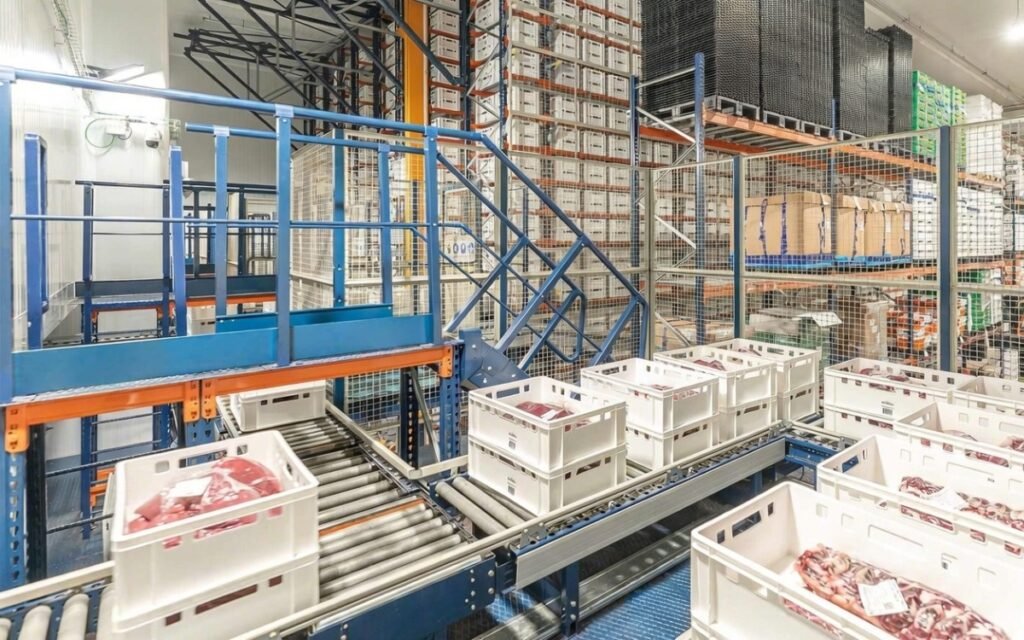
FEFO is very important in food and beverage management of perishable goods. Dairy, meat, and produce must be carefully tracked in terms of expiry to maintain freshness. You save on waste and enhance safety compliance.

Pharmaceutical Industry
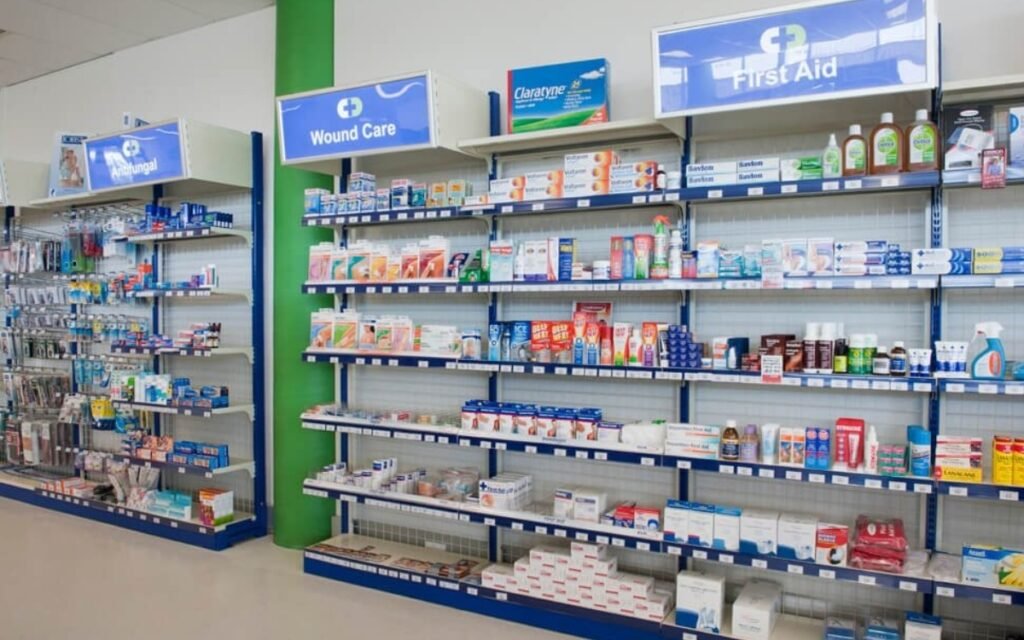
FEFO is used by pharmaceutical industry to handle medicines that have stringent expiry dates. Out of date drugs may harm patients and decrease the effectiveness of treatment to a greater extent. You are safe because you make first batches of medicine first.
Healthcare Sector
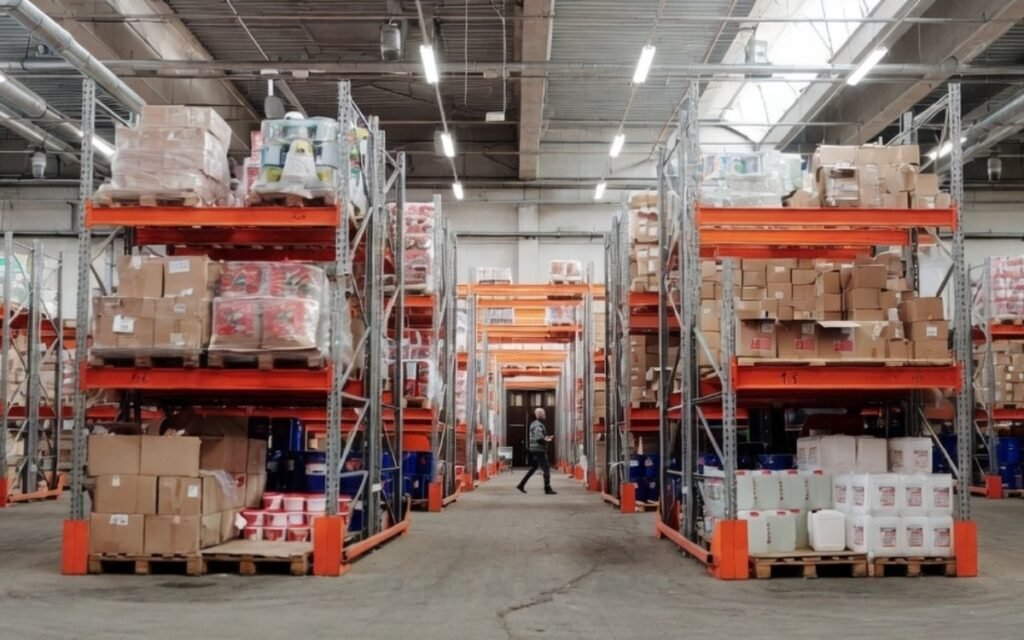
FEFO is relied upon in the healthcare sector when it comes to management of critical medical supplies. Reagents and vaccines should be stored and used prior to expiration. You safeguard patients by making sure that medical resources are used on time.
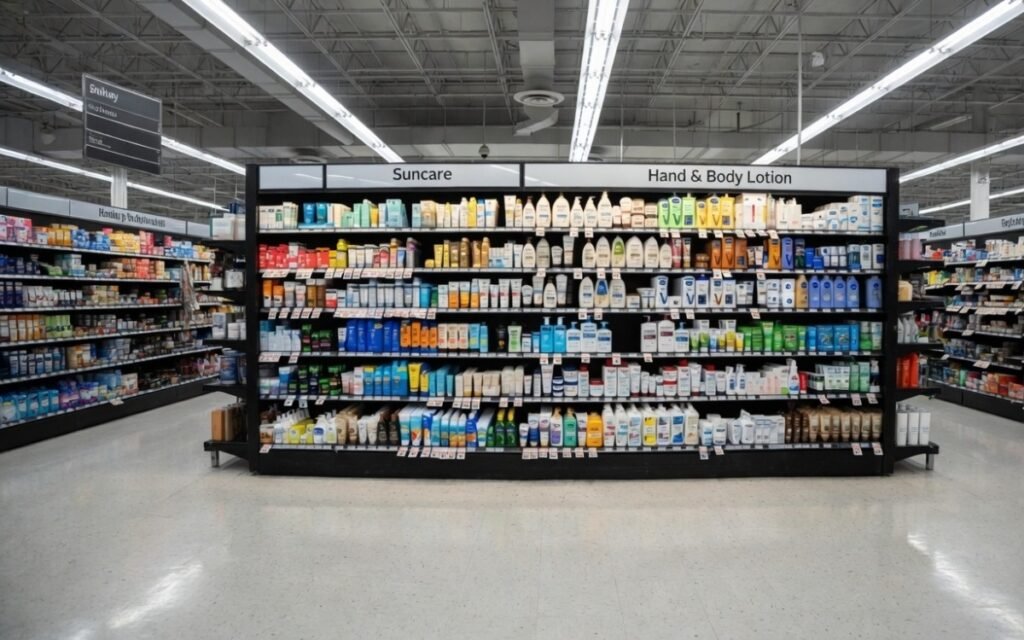
Cosmetics and Personal Care
The cosmetics and personal care industry deal with products with short shelf life. Out of date products can become ineffective, or lead to skin irritation problems. You keep quality through rotating inventory on FEFO basis.
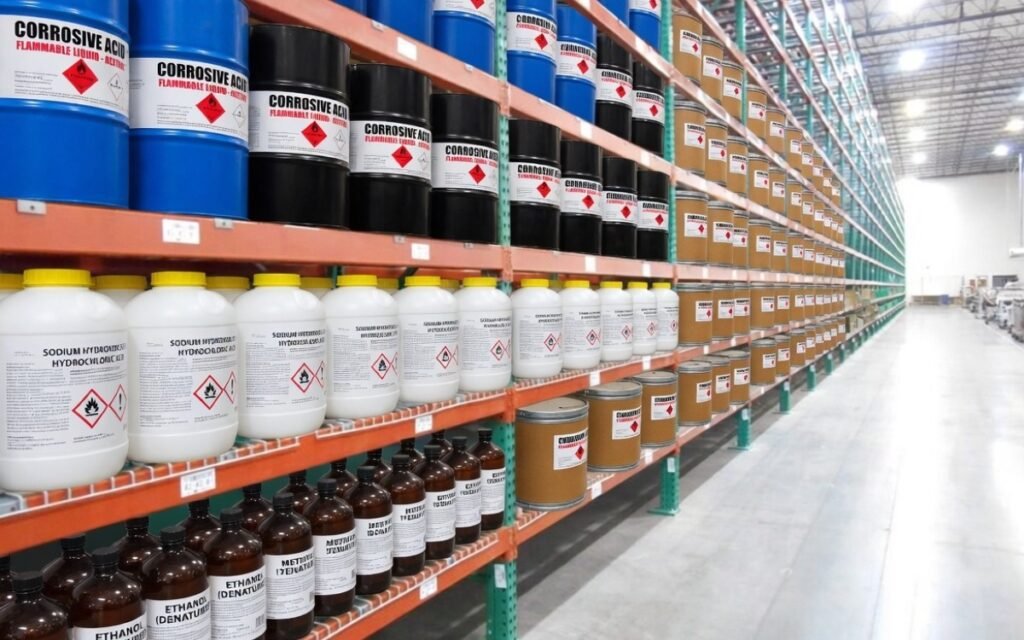
Chemical Industry
FEFO is used in chemical industry to provide time-sensitive control of stability. Certain chemicals are short lived and become ineffective when stored. You minimize the risk by first using old chemical batches before new ones.
E commerce and Retail
FEFO is used to manage perishable inventory in e-commerce and retail businesses. Products distributed in warehouses are distributed according to the expiration dates in various locations. By providing fresher products, you are enhancing the level of customer satisfaction.

FIFO vs FEFO vs LIFO — Key Differences
What Is FIFO
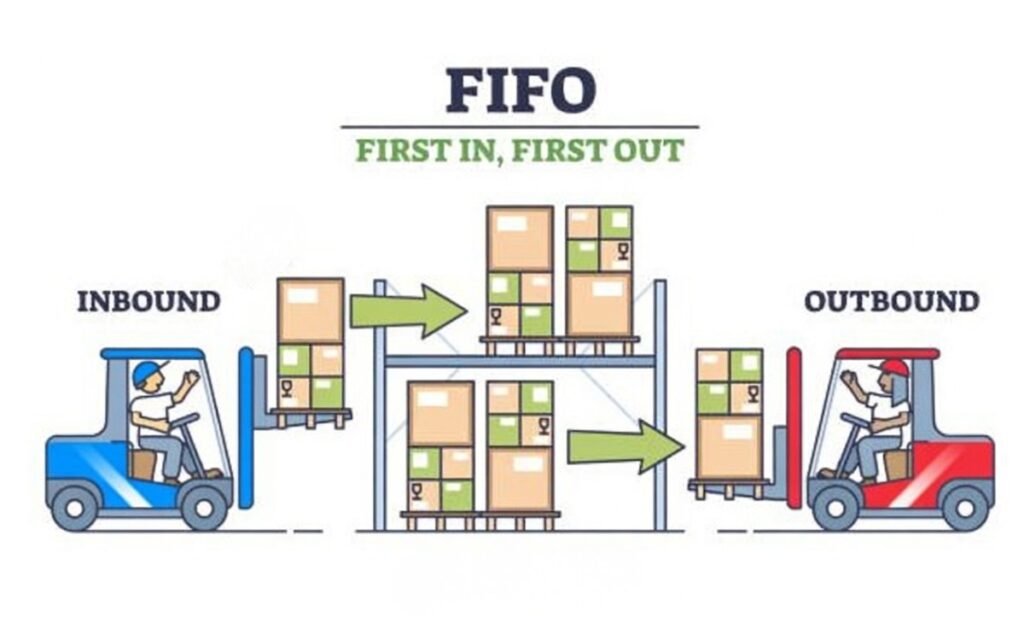
FIFO FIFO inventory in supply chains. You work the oldest stock first, minimizing waste and spoilage in warehouses, retail and food industries and make sure that there is correct valuation and the same rotation of products across operations. It enhances inventory control.
What Is LIFO
LIFO refers to the Last In First Out inventory model whereby the latest inventory is sold first. You use it in inflationary driven markets, accounting systems, and storage whereby the recent costs are considered but the old inventory is stored to be valued in the long term and to be reported accurately.

Comparison Table FEFO vs FIFO vs LIFO
| Method | Full Form | Based On | Best For | Risk Level |
| FEFO | First Expired First Out | Expiry date | Pharmaceuticals, food | Low |
| FIFO | First In First Out | Arrival time | Retail, warehousing | Low to medium |
| LIFO | Last In First Out | Recent cost | Accounting, inflation | Medium to high |
Key Differences Explained and When to Use Each Method
FEFO gives priority to expiry dates thus making it suitable in management of perishable goods. In this way understanding what is FEFO, helps you prevent product wastage. FIFO concentrates on the order of arrival; it is smooth in rotation. LIFO uses latest costs, suitable for accounting needs. Your decision on method is clear and well-founded depending on industry needs, product type, and financial goals.
Reliable Warehouse Racking and Mezzanine Solutions for Efficient FEFO Implementation
In the case of businesses that use FEFO, proper storage infrastructure is necessary. The most popular producers such as Lracking offer tailor-made pallet racking and mezzanine flooring that is intended to maximize space, enhance stock turnover, and facilitate inventory flow that is expiry-based. The solutions guarantee efficient warehouses with end-to-end services, starting with layout designing and precise quoting, to quick production and safe delivery. Quality and certified systems coupled with professional installation instructions assists companies to have well-organized storage, minimized waste and complete support of effective FEFO inventory management.
Conclusion
Summing up, Understanding what is FEFO is an essential inventory technique to handle products that have expiry dates effectively and securely. It assists businesses to minimize waste, enhance product quality and check regulatory compliance in industries. FEFO can boost customer satisfaction and operational efficiency when correctly applied. The application is easier to do using modern tools such as warehouse systems and barcode tracking. Provider solutions such as Lracking also provide optimized storage design to enhance FEFO performance. FEFO, in general, is efficient, safe, and profitable to the contemporary supply chains.
FAQs
Can FEFO be used manually?
Yes, FEFO is applicable in small storage environments manually. You keep the expiry dates by labeling, log or just simple spreadsheets on a schedule. It is most effective when there is low volume of inventory and a manageable level of inventory in general. FEFO manual system needs routine checks which are often disciplined.
Is FEFO expensive to implement?
The implementation of FEFO is relatively cheap to most businesses. You primarily require labeling systems and simple inventory software applications. Automation or sophisticated tracking systems make the costs higher. It can be implemented in small warehouses without major financial investment that is normally necessary.
Can FEFO be combined with other methods?
Yes, FEFO can be easily used together with FIFO or LIFO systems. Most companies combine approaches to streamline inventory movement and effectiveness. Combination aids in controlling the expiration dates and in stock rotation requirements. The hybrid methods enhance precision and lower product wastage by a great extent.