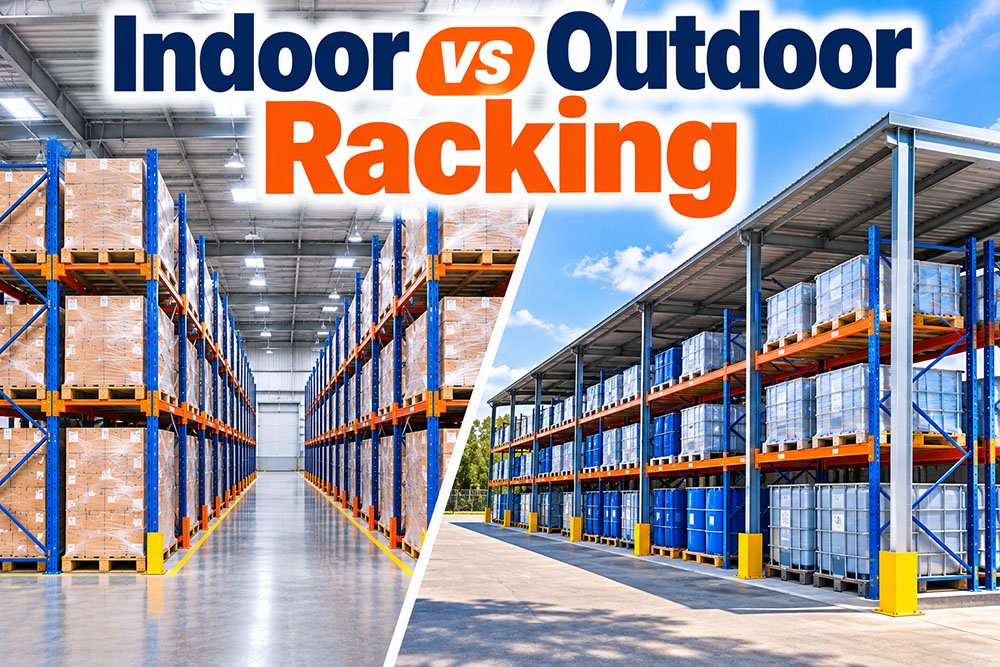
Most pallet racking discussion defaults to indoor warehouse installations — climate-controlled buildings with standard temperature, humidity, and fire protection infrastructure. But a meaningful share of storage happens outside those conditions: building material yards storing timber, pipe, or rebar; container terminals and logistics hubs with temporary staging; chemical facilities with drum storage; agricultural operations with equipment and feed; and semi-open canopy structures that sit somewhere between indoor and outdoor.
Racking specified for indoor use often fails prematurely when installed outdoors. Racking engineered for outdoor use typically costs more than indoor equivalents but delivers acceptable service life in conditions that would destroy standard racking within a few years. Choosing between them — or combining them across zones — requires understanding where the five key differences actually sit.
This guide compares indoor and outdoor racking across material, coating, structural design, fire protection, and cost, so operators planning storage in any part of this spectrum can match specification to actual installation conditions.
Why Indoor and Outdoor Racking Are Fundamentally Different
Racking performance depends on an engineering match between the storage system and its operating environment. Indoor environments are relatively predictable: temperature typically stays within a narrow range, humidity is moderate, there’s no direct precipitation or UV exposure, and fire protection infrastructure is built into the building. Outdoor environments introduce variables that indoor racking is not designed to handle: freeze-thaw cycles, UV degradation of coatings, direct precipitation, wind loading, and the absence of overhead sprinkler infrastructure.
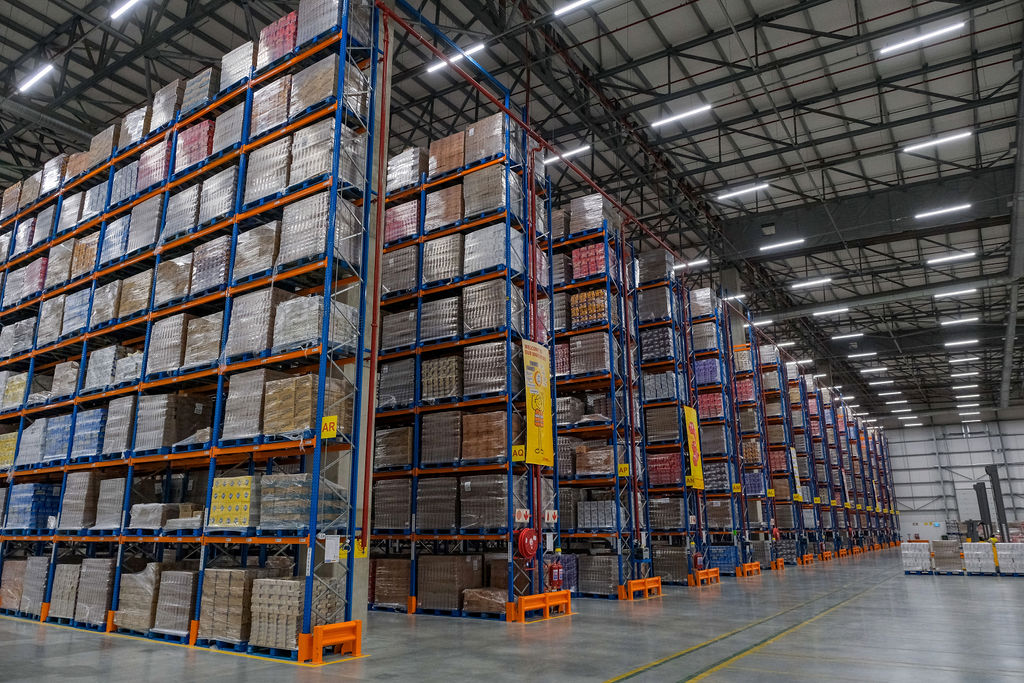
A racking system specified for indoor use may perform adequately in the first year outdoors, show visible degradation by year three, and reach structural concern by year five to seven. The same loads carried by appropriately specified outdoor racking can continue with routine maintenance for fifteen to twenty years. The service life gap isn’t a minor optimization — it’s the difference between a one-time capital investment and a recurring replacement cycle.
For operators planning outdoor storage, the question isn’t whether to spend more on outdoor-rated racking. It’s whether the operational need justifies outdoor storage at all, given that outdoor racking is not just “indoor racking with better paint” but a meaningfully different engineering specification.
Current Challenges in Indoor vs Outdoor Racking Decisions
Treating coating as the only difference. Many operators assume that choosing outdoor racking means specifying galvanized coating instead of powder coating, with no other changes. In practice, material grade, structural bracing, drainage design, and fire protection all differ, and coating alone addresses only one part of the outdoor environment.
Underestimating outdoor environmental severity. Even in regions with mild climates, outdoor racking faces temperature cycling, UV exposure, and intermittent moisture that indoor racking never sees. Facilities in humid, coastal, or extreme-temperature regions see significantly more aggressive degradation.
Missing fire protection implications. Indoor racking sits under building sprinklers. Outdoor racking generally does not, and local fire codes may require specific fire protection infrastructure or storage distance from structures that operators discover only during permitting.
Overspecifying when a covered area would suffice. Some outdoor storage applications don’t actually require fully outdoor-rated racking — a canopy or partial enclosure can protect standard racking while preserving the operational benefits of open storage.
Mixing indoor and outdoor racking without clear separation. Facilities with both indoor and outdoor zones often use the same racking throughout for procurement simplicity, which either over-specifies cost for indoor zones or under-specifies durability for outdoor zones.
The Five Dimensions of Indoor vs Outdoor Racking Difference
1. Material Specification
Indoor racking typically uses standard carbon structural steel. Q235B (235 MPa yield strength) is the mainstream material for standard indoor pallet racking, offering adequate performance at cost-efficient manufacturing. For higher-load or higher-impact indoor applications, Q355B or equivalent higher-strength grades are specified. These material considerations are covered in more detail in this guide to Q235B vs Q355B racking steel.
Outdoor racking often benefits from higher-grade steel. The combination of temperature cycling, intermittent moisture, and UV exposure accelerates stress on structural members. Higher-strength grades provide additional safety margin against the fatigue and environmental stresses outdoor installations face. Hot-dip galvanized structural sections or stainless steel are sometimes specified for aggressive outdoor environments such as coastal or chemical sites.

Base plate and anchor hardware specification differs. Outdoor base plates face direct exposure to moisture pooling and freeze-thaw cycles. Standard base plates and anchor bolts may corrode faster than the racking itself, creating hidden structural risk. Outdoor-rated hardware typically uses galvanized or stainless alternatives.
2. Coating and Surface Treatment
Indoor racking typically uses powder coating. Powder coating provides corrosion resistance adequate for standard indoor warehouse environments, with acceptable aesthetics and cost. Coating thickness of 60 to 100 microns is typical for indoor applications.
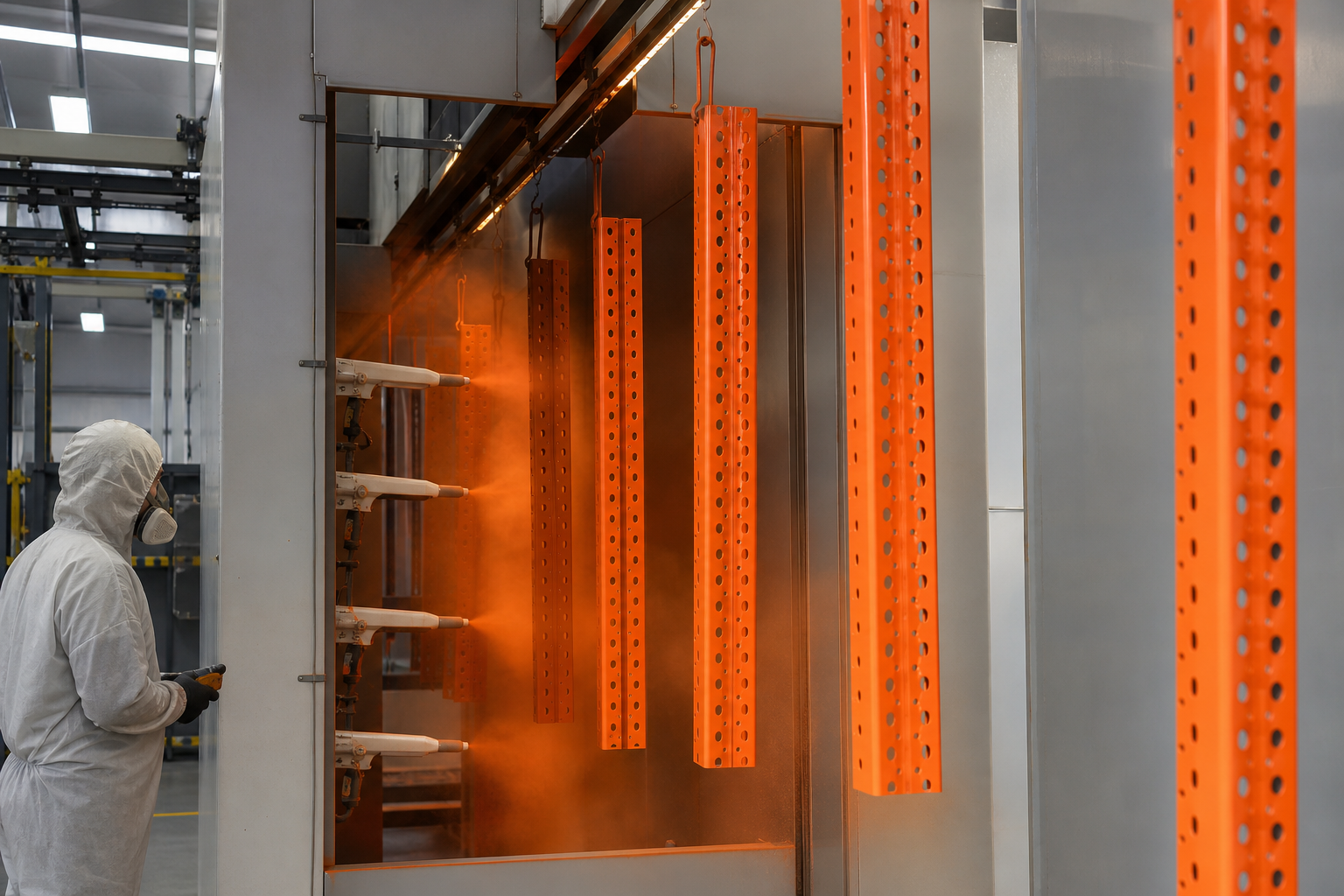
Outdoor racking requires hot-dip galvanization or specialized coatings. Powder coating alone degrades quickly outdoors under UV and moisture exposure. Hot-dip galvanization provides significantly better outdoor corrosion resistance through a metallurgical bond between zinc and steel that resists chipping and provides cathodic protection to minor damage areas. Typical outdoor galvanization provides 60 to 80 microns of zinc coating, delivering service life of 15 to 30 years depending on environmental aggressiveness.
Dual-coating systems for aggressive environments. Coastal, chemical, or heavily corrosive outdoor environments may justify dual-coating systems — galvanization plus a protective paint topcoat — that add cost but extend service life substantially. This approach is common for structural racking in marine environments. A closer look at coating choice tradeoffs is covered in this comparison of galvanized vs painted steel pallet racking.
UV-resistant polymer components where applicable. Non-metal components (safety guards, column protectors, labels) need UV-resistant specification for outdoor use, since standard polymer materials degrade under sustained UV exposure.
3. Structural Design
Indoor racking is designed for predictable static loads. Standard upright frames, beam connections, and bracing configurations are engineered for indoor conditions where lateral loads are primarily from forklift impact and seismic activity (in relevant regions). Wind loading, snow accumulation, and thermal expansion are generally not design factors.
Outdoor racking must account for wind and weather loading. Direct wind loading on outdoor racking can create significant lateral and overturning forces that indoor racking never encounters. Design must account for maximum expected wind speed, dynamic wind effects, and the lifting forces that can affect stored loads. In snow-prone regions, snow accumulation on stored materials adds vertical load that must be factored into beam and upright capacity.
Drainage design is critical outdoors. Outdoor racking should be designed to shed water rather than pool it. Base plates typically sit on raised or drained foundations rather than directly on grade. Horizontal surfaces (beam tops, decking) should slope slightly or have drainage features to prevent water accumulation that accelerates corrosion.
Expansion and movement. Thermal expansion between daytime heat and nighttime cold creates cyclic stress that indoor racking never sees. Outdoor racking connections and anchoring should accommodate this movement without concentrating stress at specific points.
Foundation design. Outdoor racking often sits on dedicated concrete foundations rather than existing warehouse slabs. Foundation design must account for frost heave in cold climates, soil drainage, and ground movement that indoor floor slabs don’t experience.
4. Fire Protection
Indoor racking sits under building sprinkler infrastructure. Standard warehouse fire protection includes ceiling sprinklers designed for the building’s commodity classification, with in-rack sprinklers where storage height or commodity hazard warrants. The sprinkler infrastructure is part of the building, not the racking.
Outdoor racking generally has no sprinkler coverage. This fundamentally changes fire protection strategy. Options include storage spacing to prevent fire spread, commodity classification requirements that limit what can be stored outdoors, dedicated outdoor fire protection systems (deluge, water cannon, or standpipes), and distance requirements from buildings and property lines.
Local fire codes often control outdoor storage more than indoor. Outdoor flammable material storage typically faces more restrictive fire code requirements than equivalent indoor storage, including quantity limits, separation distances, secondary containment for liquids, and compliance with hazardous material codes.
Semi-open canopies occupy a middle ground. Partially enclosed storage (open walls under a solid roof) may or may not require sprinkler coverage depending on local code interpretation, and this should be reviewed with a qualified fire protection engineer during planning.
Documentation requirements. Both indoor and outdoor installations require fire code documentation, but outdoor documentation typically includes fire suppression strategy, separation distance calculations, and commodity storage limits that indoor installations don’t need.
5. Cost
Indoor racking carries lower per-position cost. Standard materials, standard coatings, straightforward structural design, and reliance on existing building fire infrastructure all contribute to indoor racking’s cost efficiency.
Outdoor racking typically costs 30 to 80 percent more per pallet position than indoor equivalents. The cost premium comes from several factors: higher-grade material in some applications, hot-dip galvanization instead of powder coating, more rigorous structural design for wind and weather loading, dedicated foundations rather than existing slabs, and fire protection infrastructure that indoor installations inherit from the building.
Maintenance costs also differ. Indoor racking has minimal ongoing maintenance beyond inspection and occasional component replacement. Outdoor racking faces coating maintenance (touch-up or re-coating cycles), drainage maintenance (keeping water from pooling), and more frequent inspection cycles to catch environmental degradation.
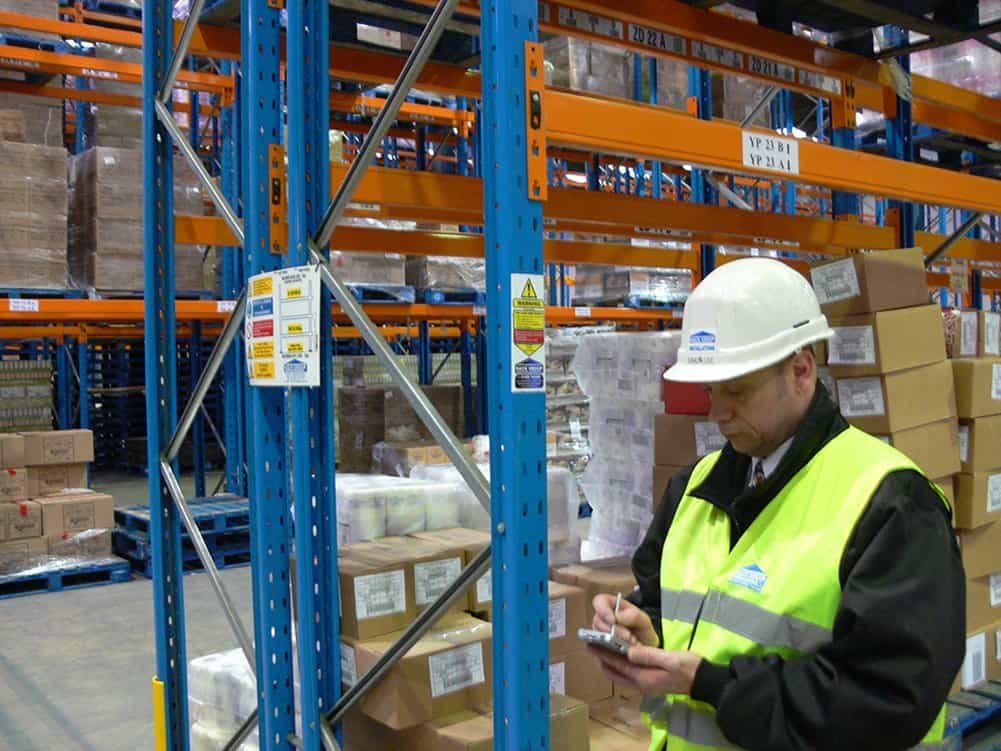
Total cost of ownership comparison. Over a 15 to 20 year service life, properly specified outdoor racking typically delivers acceptable total cost per pallet-year stored, but only when the operation actually requires outdoor storage. Operations with the option to store indoors almost always achieve lower TCO by doing so.
Five-Dimensional Comparison Summary
| Dimension | Indoor Racking | Outdoor Racking |
|---|---|---|
| Material | Q235B carbon structural steel typical | Q355B or higher grade often preferred; galvanized or stainless hardware |
| Coating | Powder coating (60–100 μm) | Hot-dip galvanization (60–80 μm zinc) ± paint topcoat |
| Structural design | Static loads + forklift impact + seismic | Add wind, snow, thermal expansion, drainage |
| Fire protection | Inherited from building sprinklers | Self-contained or compliance by separation |
| Cost premium | Baseline | +30–80% per position; higher maintenance |
When Indoor Racking Is the Right Choice
Climate-controlled storage requirements. Any inventory sensitive to temperature, humidity, or precipitation requires indoor storage, and the racking choice follows that decision rather than driving it.
Fire code constraints. Many commodities — Group A plastics, flammable liquids, hazardous chemicals, and others — face restrictive outdoor storage limits that effectively require indoor storage with appropriate fire protection.
High-value inventory. Theft, weather damage, and insurance considerations typically favor indoor storage for high-value items regardless of environmental sensitivity.
Operational productivity requirements. Indoor operations proceed without weather disruption, which matters for high-throughput operations where consistent daily productivity affects overall business performance.
Lower total cost of ownership. When the inventory can be stored indoors, the cost premium of outdoor racking isn’t justified by any operational benefit.
When Outdoor Racking Is the Right Choice
Building material and timber yards. Dimensional lumber, pipe, rebar, cinder block, and similar building materials are commonly stored outdoors due to volume, handling requirements, and acceptable weather tolerance. Cantilever configurations are frequently used for long materials in this scenario.
Heavy industrial and bulk storage. Steel coils, industrial equipment, construction components, and other weather-tolerant bulk inventory often justify outdoor storage for the space and handling efficiency.
Container terminals and logistics hubs. Temporary staging of containers and bulk cargo at ports, rail terminals, and distribution hubs typically uses outdoor storage due to volume and the inherent weather exposure during transport.
Agricultural and equipment storage. Large equipment, feed, and agricultural supplies are commonly stored outdoors in rural operations where indoor building cost would far exceed the value of the storage.
Chemical and drum storage. Some chemical storage — particularly for materials with strict indoor storage prohibitions — must happen outdoors with specific fire protection, spill containment, and ventilation considerations.
Overflow capacity for seasonal peaks. Some operations use outdoor racking for temporary overflow during peak seasons, accepting the cost premium for inventory that only occupies the space for limited periods.
Semi-Open and Hybrid Configurations
Many operations don’t fit cleanly into either indoor or outdoor categories. Partially enclosed storage — canopies, covered yards, and open-sided warehouses — can protect standard racking from direct precipitation while preserving the operational efficiency of outdoor access. Common hybrid configurations:
Canopy or roof-only coverage. A solid roof over open sides protects racking from direct rain and UV while allowing air circulation. Racking under canopy can often use indoor specifications for material and coating, though fire protection must be reviewed carefully since sprinkler coverage may or may not apply.
Three-sided enclosures. Walls on three sides with one open face protect racking from most weather while maintaining open access for loading. This configuration typically requires outdoor-rated racking since humidity and temperature cycling still affect the storage area.
Weather-exposed loading zones. Some facilities use indoor racking for primary storage with outdoor cantilever or similar formats for the loading zone. Related material and structural considerations for heavy outdoor cantilever applications are covered in this overview of cantilever racking systems.
Transition zones. Border areas between indoor and outdoor storage benefit from careful specification — these zones typically experience both environments and often need outdoor-rated racking even if they appear partially enclosed.
Expected Operational Improvements from Correct Indoor/Outdoor Selection
Operations that specify racking appropriate to actual installation environment typically see:
- Extended racking service life, since correctly specified racking matches environmental conditions rather than fighting them
- Lower long-term maintenance cost, since outdoor-rated racking in outdoor conditions requires routine maintenance rather than crisis replacement
- Reduced product damage, when inventory is stored in environments appropriate to its sensitivity
- Better fire code compliance, when fire protection strategy aligns with the actual installation location
- More predictable capital planning, since correctly specified racking delivers the expected 15 to 20 year service life rather than requiring unexpected early replacement
- Reduced safety incidents, when structural design accounts for actual environmental loads including wind and weather
Project Considerations Before Finalizing Indoor vs Outdoor Decisions
Realistic environmental assessment. Document actual temperature range, humidity patterns, precipitation, wind exposure, and any site-specific environmental factors. “Outdoor” varies significantly between dry desert, humid coastal, and freeze-thaw continental climates.
Commodity compatibility review. Confirm that intended inventory can legally and practically be stored outdoors in the specific location. Fire code and insurance implications may constrain options.
Foundation and site preparation. Outdoor installations typically require dedicated foundation design, drainage planning, and access route construction that indoor installations avoid.
Local permitting requirements. Outdoor storage often requires specific permits that indoor storage doesn’t, affecting project timeline.
Long-term maintenance planning. Factor outdoor racking’s higher maintenance requirements into operating budgets, not just initial capital planning.
Insurance implications. Insurance providers often treat outdoor storage differently from indoor, affecting both premiums and coverage terms. Early consultation helps avoid surprises.
Future expansion flexibility. Indoor racking in a building can often be reconfigured as inventory changes. Outdoor installations with dedicated foundations are harder to modify, favoring careful initial design.
Protection for structural components. For heavier outdoor loads, structural racking with appropriate material and coating is often required rather than roll-formed alternatives. Related considerations are covered in this guide to structural racking.
Frequently Asked Questions
Can I use indoor racking outdoors if I paint it well? Not reliably. Standard indoor racking lacks the structural design for wind loading, the base plate specification for weather exposure, and the coating durability for sustained UV and moisture. Painting indoor racking may delay corrosion briefly but won’t address the structural design differences.
How much longer does properly specified outdoor racking last than indoor racking used outdoors? Outdoor-rated racking in outdoor conditions typically delivers 15 to 20 years of service life. Indoor racking used outdoors may show visible degradation within 2 to 3 years and reach structural concern within 5 to 7 years in typical climates, with faster failure in aggressive environments.
Is galvanized coating always better for outdoor racking than painted? Hot-dip galvanization provides significantly better outdoor service than powder coating or paint alone, due to metallurgical bonding and cathodic protection. For particularly aggressive environments (coastal, chemical), galvanization plus paint topcoat extends service life further.
Does outdoor racking require special fire protection? Generally yes. Outdoor racking doesn’t inherit building sprinkler coverage, so fire protection strategy must be specifically designed through storage spacing, dedicated suppression systems, or compliance with commodity-specific separation requirements.
Can covered areas use indoor racking? Sometimes, depending on how much environmental protection the covering actually provides. A fully enclosed building with HVAC uses indoor racking. A simple canopy with open sides often still requires outdoor-rated specification due to humidity and temperature cycling, though coating requirements may be less aggressive than full outdoor installations.
What is the typical cost premium for outdoor racking compared to indoor? Per pallet position, outdoor racking typically costs 30 to 80 percent more than indoor equivalents, with higher premiums for more aggressive environments or more demanding structural requirements. Ongoing maintenance costs are also higher.
How does wind loading affect outdoor racking design? Wind creates both lateral forces (pushing against the structure) and potential overturning moments. Outdoor racking must be designed for maximum expected wind speed at the installation location, which affects upright sizing, bracing, and anchoring specification. In high-wind regions, this can significantly increase structural specification.
Can I store the same materials indoors and outdoors with the same racking format? Format (selective, cantilever, drive-in, etc.) can be the same, but specification within the format differs significantly between indoor and outdoor applications. The same cantilever format might use Q235B with powder coating indoors and Q355B with hot-dip galvanization outdoors.
Key Takeaways
- Indoor and outdoor racking differ across five key dimensions: material, coating, structural design, fire protection, and cost — not just coating alone
- Outdoor racking typically costs 30 to 80 percent more per pallet position than indoor equivalents, with higher ongoing maintenance costs
- Hot-dip galvanization provides significantly better outdoor service life than powder coating or paint, through metallurgical bonding and cathodic protection
- Outdoor racking must account for wind loading, thermal expansion, drainage, and foundation design that indoor racking never encounters
- Fire protection strategy differs fundamentally outdoors, since sprinkler infrastructure is not inherited from the building
- Semi-open and hybrid configurations occupy a middle ground that requires careful case-by-case specification
- Correctly specified racking matched to actual environmental conditions delivers the full 15 to 20 year service life, while mismatched specification often leads to premature replacement
Conclusion
Choosing between indoor and outdoor racking is ultimately a specification decision driven by where the storage will actually happen and what conditions the racking must withstand across its full service life. Warehouses and industrial operations that specify racking appropriate to the actual installation environment — rather than treating the choice as a simple coating upgrade — generally achieve the expected service life and avoid the premature replacement costs that mismatched specifications produce. Companies such as Lracking are commonly involved in projects where operators need both indoor and outdoor storage within a single facility, often designing hybrid layouts with indoor-rated racking for climate-controlled zones and outdoor-rated configurations for weather-exposed storage areas. For operators evaluating racking across indoor, outdoor, or mixed installations, matching material, coating, structural design, fire protection, and cost analysis to the specific installation environment remains the most reliable foundation for selecting the right racking for each zone.