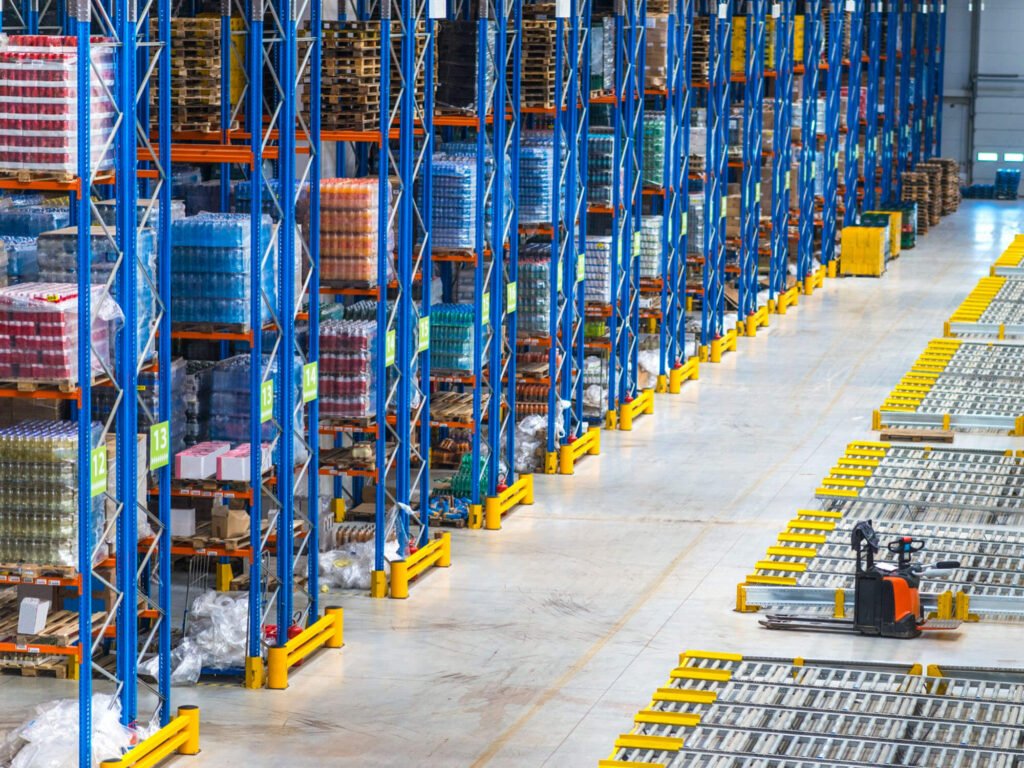
There is one system required to ensure everything is organized, safe and efficient in the warehouse. Pallet racking is a modular storage system that is built out of steel and is specifically designed to store palletized goods in challenging industrial settings. A proper rack design for warehouse environments ensures that B2B buyers who have a grasp of the individual parts make better procurement decisions, stay compliant and prolong system life.
When component knowledge is poor, you can expect expensive mismatches, safety issues and needless structural failures on the floor. In this article, you’ll learn about structural components, safety accessories, specialty components, and selection tips for operations teams. Let’s get started!
How Pallet Racking Systems Are Structured?
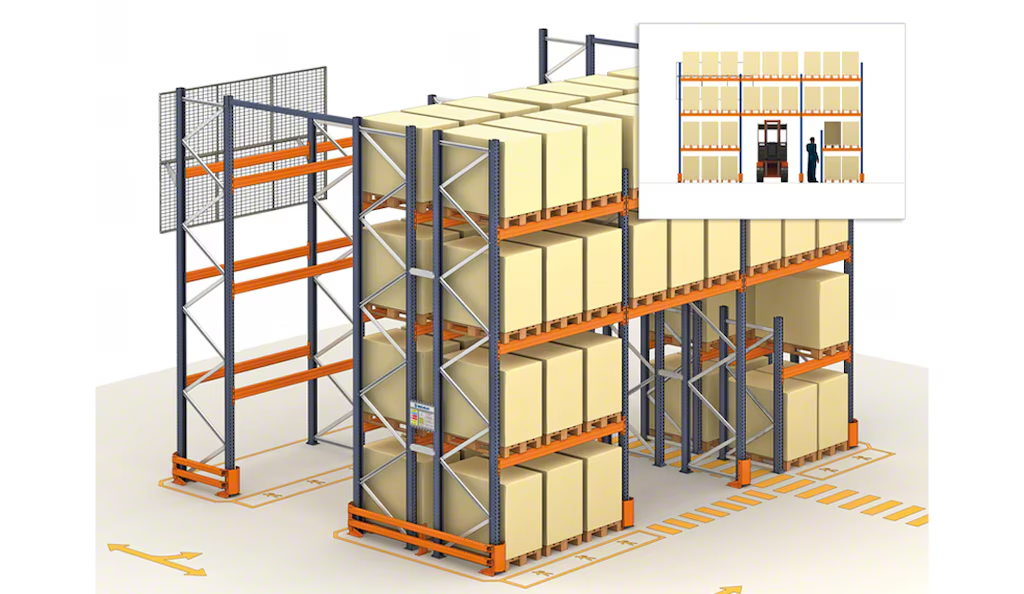
Pallet racking systems are made up of two basic types of components, which are the two categories that are necessary to make up a functional storage system. Structural elements are uprights, beams, frames, crossbars and bracing that carry all load weight. Accessories like safety devices, load adapters, and signage systems enhance performance and compliance.
All racking runs start with a starter bay (2 full upright frames). Then each one of the additional adder bays share one upright frame with the previous bay. This is a shared-frame assembly process, which can lower the cost of materials and ensure the entire structure are integral during the running process.
The main structural components of selective, drive-in and push-back systems are the same. Beams, frames and crossbars are constant components of any racking type a facility uses. With an understanding of these commonalities, procurement and operations can make more intelligent and expedient purchase decisions.
Primary Structural Pallet Racking Components
A. Uprights (Columns/Frames)
The uprights are the vertical, cold-rolled steel columns that make up the backbone of each racking frame. Beam height can be adjusted easily between operations thanks to the punched slots. The standard depths are 36″, 42″ and 48″ — 42″ is ideal for GMA pallets. When the material is used upright, the rated load capacity is directly determined by the thickness—please check the thickness in advance before buying.
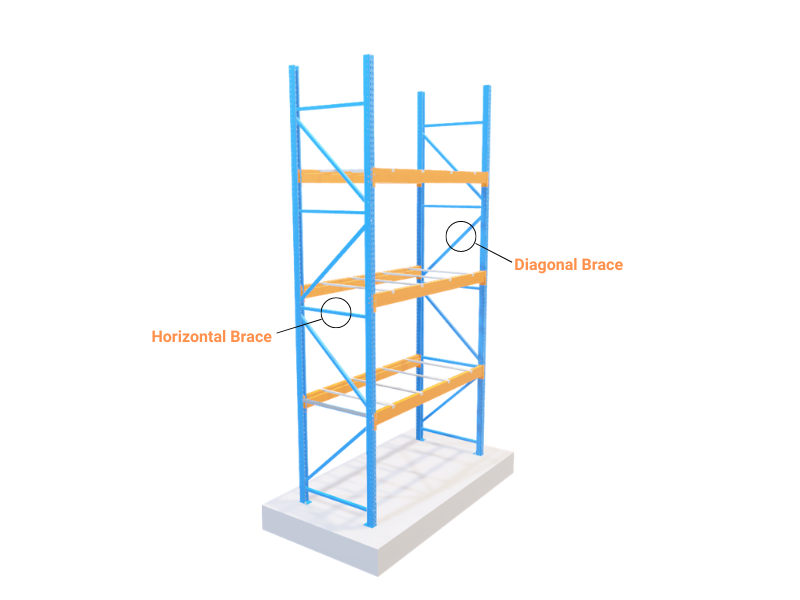
C. Double Struts & Bracing
Uprights are joined at an angle by diagonal struts to form the rigid framework that is necessary for stability. They are stiff laterally and provide substantial reinforcement of the overall load carrying capacity. There are various bracing patterns (K, X, and Z) that offer varying seismic and load resistance profiles. Beams are stiffened with horizontal cross bracing for the complete rack structure.
C. Beams
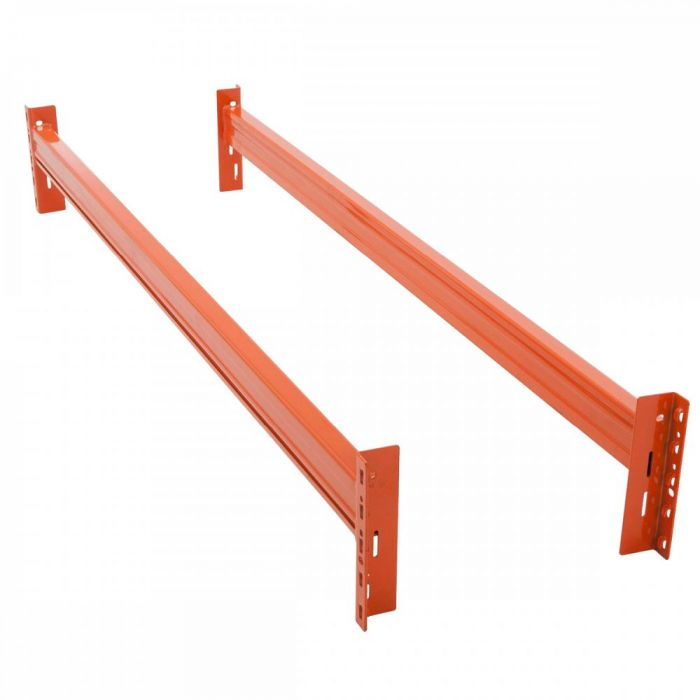
Beams are the most important parts of a pallet racking structure. They are horizontal, high-strength steel bars that are used between the vertical frames to create shelf levels. Standard lengths are 96″, 108″, 120″ and 144″ to fit different sizes of pallets. Beams are always sold in pairs: 2 beams per level of the shelf. Do not combine beam brands from different upright manufacturers without first determining full compatibility.
D. Crossbars (Pallet Supports)
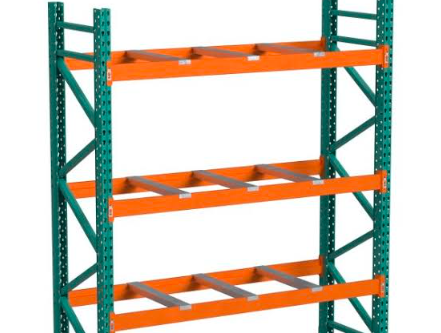
Crossbars are steel profiles that are installed perpendicular to the beams at each shelf level. They help to stop pallets from slipping, and they evenly spread out irregular loads on beams. There are four supports per shelf level for the most stable configuration. They are a heavy industrial option to normal wire decking which is cost effective.
E. Frames (Assembly Unit)
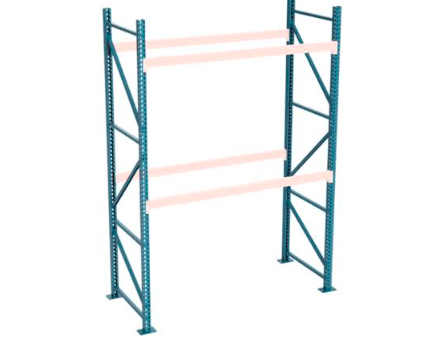
A complete frame consists of two uprights, diagonal struts, footplates and all the accessories. The verticality and lateral rigidity are guaranteed across the whole rack column with frames. For safe loading, frame depth should be exactly the same as the depth of the pallet. The load stability is reduced and serious structural safety issues are created due to mismatching of frame depths.
Core Structural Pallet Rack Components— Specifications & B2B Considerations
| Component | Material | Standard Sizes | Primary Function | Key B2B Consideration |
| Uprights | Cold-rolled steel | Depths: 36″, 42″, 48″ | Vertical structural support | Gauge/thickness determines load rating; verify before procurement |
| Beams | High-strength steel | Lengths: 96″, 108″, 120″, 144″ | Horizontal load-bearing shelving levels | Sold in pairs; must match upright manufacturer for compatibility |
| Diagonal Struts | Steel profiles | Varies by frame height | Connect uprights; create rigid frame | Bracing pattern (K, X, Z) affects seismic resistance |
| Crossbars / Pallet Supports | Steel | 4 per shelf level | Prevent pallet slippage; support irregular loads | Alternative to wire decking; better for very heavy industrial pallets |
| Baseplates / Footplates | Steel | Varies | Distribute load; anchor rack to floor | Must comply with local standards (e.g., AS 4084 in Australia) |
| Beams End Connectors | Steel (welded) | Matches beam/upright profile | Connect beams to uprights at adjustable heights | Locking safety device should be non-removable; verify on procurement |
| Row Spacers | Steel | Every ~75″ vertically | Connect parallel rack runs; increase base stability | Required for back-to-back runs; improves fire safety (sprinkler access) |
Decking & Shelf Panel Parts of Racking
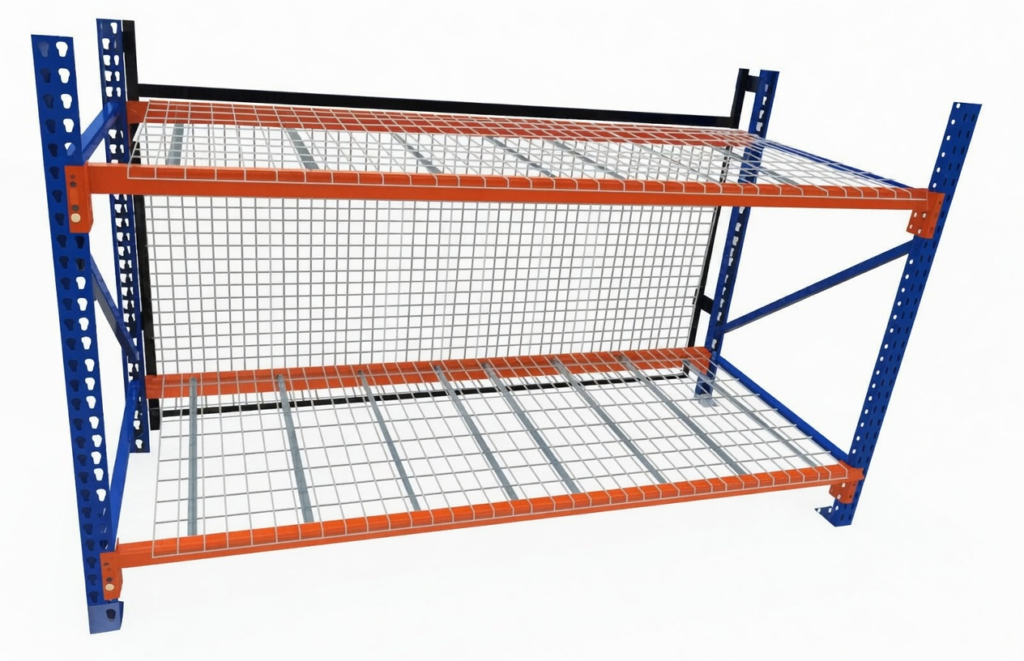
A. Wire Mesh Decking
The most common type of decking in use today is made from electro-welded wire mesh panels. Panels can be installed on beams or crossbars without any hardware. They will permit sprinkler water penetration and provide full fire code compliance. Decking is rated at 50% of beam capacity — roughly 1,900–2,500 lbs on 5,000 lb beam levels. The number of beams ordered is equal to the order quantity. For broader industry guidance, consult MHI’s material handling resources.
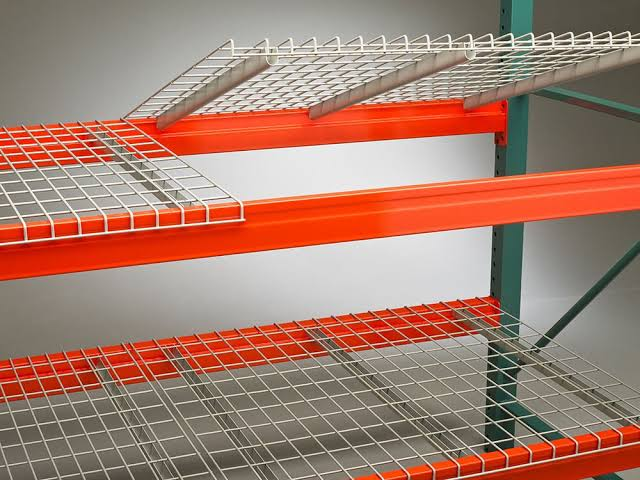
B. High Quality Galvanised Metal Shelving
Galvanised steel panels are the parts of racking that connect directly to upright beams and do not require any extra fixings. They have a composition that offers excellent load bearing strength for heavy and bulky industrial goods. There is no additional hardware support required during installation. Ideal for operations where daily operations require the maximum structural reliability with consistently heavy and dense loads.
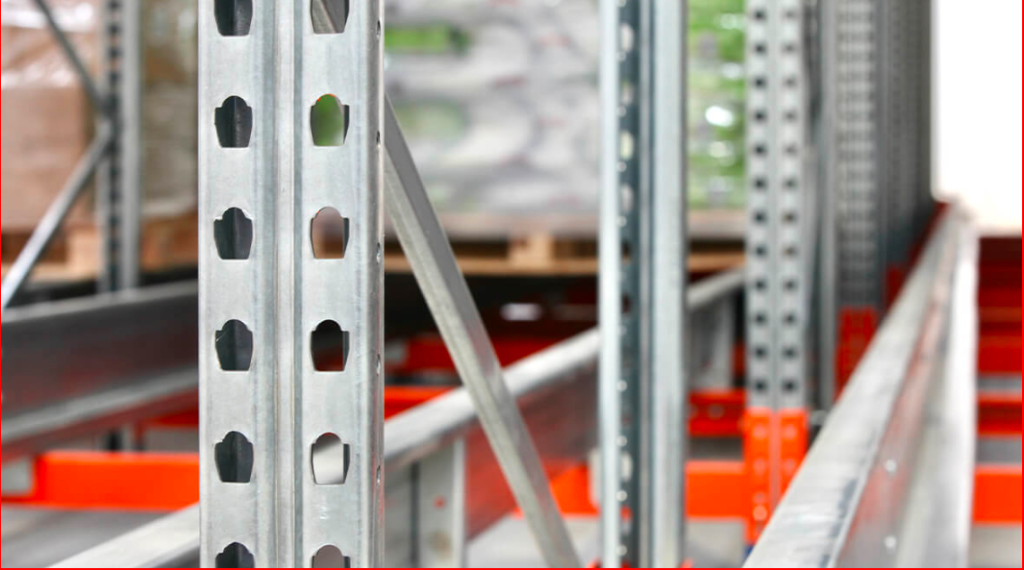
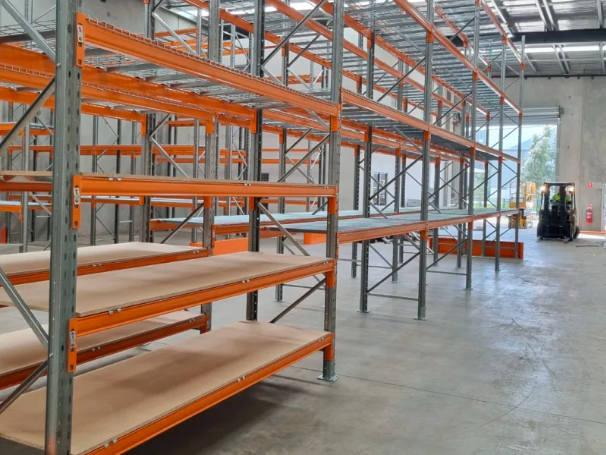
C. Chipboard (Particle Board) Shelving
Chipboard panels consist of a material that is made from wood particles that are compressed under high pressure. They can be used for all load types in retail distribution and general warehouses. When space is a concern, crossbars can be added beneath panels to boost overall shelf capacity. It is a good compromise for high-SKU, mixed-inventory warehouse environments, where it provides good performance at an affordable price.
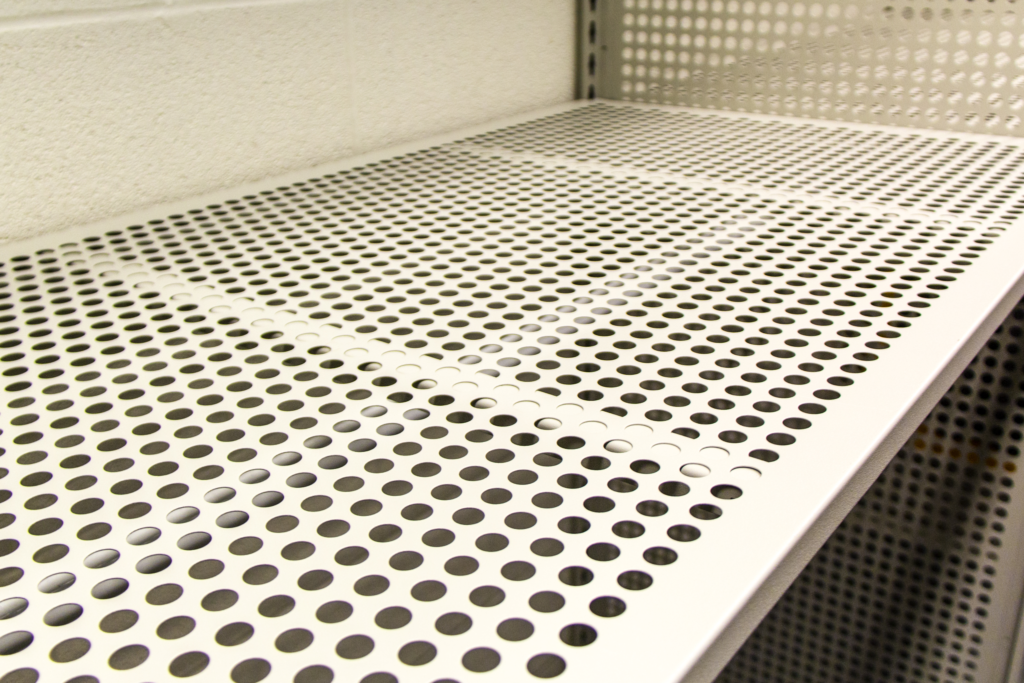
D. Perforated Metal Shelving
Perforated metal shelving comes in slotted, grooved and perforated structural. Every version can be used for different picking operation needs at different levels of racking. Perforations encourage air flow which is crucial in the storage of perishable goods in this shelving. The structured surface also enhances the ergonomics of the pickers during high frequency, multi-level order fulfillment operations.
E. Rack Back Panel / Fall Protection Netting
Rack back panels are wire-mesh or heavyweight netting that is attached to the back of racking. They actually stop pallets and products falling back off the rack. Protection from accidental impact to walls, fire suppression piping and structural elements. The width of the panel must correspond exactly with the length of the beam — 8-foot beams need to have a panel that’s 8 feet wide.
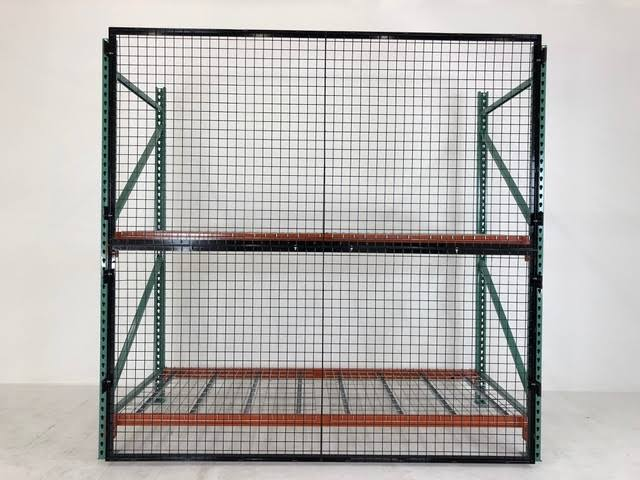
Safety, Anchoring & Protective Pallet Rack Components
A. Concrete Anchors
Baseplates are bolted or fastened by expansion to the floor of the warehouse with concrete anchors. The standard size anchor is 3-3/4″ and 5-6″ anchors are used for systems over 20′ in size. AS 4084 requires that if the racking is to be placed where it is subject to forklift exposure, then there must be more than one fastener per baseplate.
B. Shims
Shims are pieces of thin steel positioned under uprights on uneven floors in the warehouse. They keep the rack plumb and with the right center of gravity throughout the entire operation. In older facilities with concrete floors that are not level, the installation of shims is of critical importance for safe racking.
C. Post / Column Protectors
Column protectors bolt to the floor at upright bases to absorb forklift impact before steel is damaged. There is a cost savings of $15-$20 per unit compared to upright replacement. The width of the protector must be less than that of the baseplate (a 3 inch protector will NOT fit on a 5 inch baseplate).
D. Locking Devices (Beam Safety Clips)
Beam safety clips are welded endplate beam safety clips that will not accidently pull beams out of uprights. They are designed to be non removable. Always check locks on all beam connectors during procurement and during routine inspection.
E. Row Spacers
Row spacers are steel connectors that connect uprights from two back-to-back runs of the rack. They keep pallets off the ground for sprinkler penetration and increase the structural base. For tall vertical installations, it is recommended to be mounted every 75 inches.
Pallet Racking Accessories & Safety Components — Function, Application & Selection Guide
| Component | Function | Typical Use | Key Consideration |
| Concrete Anchors | Secure racks to the floor | All installations | Select anchor size based on rack height and local codes |
| Post Protectors | Prevent forklift damage | Forklift-operated warehouses | Must fit baseplate dimensions |
| Locking Devices (Beam Clips) | Prevent beam dislodgement | All beam connections | Use welded, non-removable designs |
| Row Spacers | Stabilize back-to-back racks | Double-run systems | Install periodically for fire clearance and stability |
| Rack Back / Fall Netting | Prevent rear load falls | High-bay and multi-deep storage | Match panel width to beam length |
| Shims | Level racks on uneven floors | Uneven concrete surfaces | Use certified metal shims only |
| End Aisle Protectors | Protect frame ends from impacts | Aisle-end locations | Essential in high-traffic forklift areas |
| Safe Load Notices | Display load capacities | All racking systems | Include beam, bay, and system load limits |
| Aisle Signs / Label Holders | Improve rack and inventory identification | High-SKU warehouses | Consider zone-based color coding |
Specialty Accessories for Irregular Loads
A. Container Supports
Container supports are metal crossbar type profiles installed across the normal pallet racking beams at a right angle. The containers must have two supports: one on each side, to stop the container rolling or shifting when stored. They offer stable and secure horizontal support for unbalanced containerized unit loads.
B. Drum / Coil Beds
Drum and Coil Beds allow drums, cylinders and coils to be safely stored on standard racking. There are 2 configurations – a roller-type bed which is free to rotate for liquid extraction and a V-shaped cradle bed which offers firm static support. All are suitable to their operational and material handling needs respectively.
C. Drum Cradles
Drum cradles are special devices for supporting reels or cylindrical items on racking. There are several different configurations available, depending on the size of the load and the type of rack being used. They stop cylindrical loads rolling, allowing safe, stable and organised long term storage.
D. Signage & Identification Accessories
Safe load warning notices are PVC placards with the critical technical racking specifications that are placed directly on the end of the frame. Aisle signs are installed at the end of each row and are clearly marked with internal location codes for quick reference. Sign holders are attached to uprights or beams and ID card holders are attached to sign holders for accurate identification of inventory.
Standards, Compliance & Procurement Considerations
Always check for compliance with RMI standards in North America, EN 15512 standards in Europe, and AS 4084 in Australia before deciding to buy any racking system. Never exceed pallet static and dynamic weights based on load ratings. Mixing upright and beam brands is not permitted unless approved by a qualified engineer. Before installation, ensure all anchoring methods comply with local building and safety codes. Test all locking devices and protectives as soon as delivered. Always ask your supplier for load capacity certificates and material grade specifications in advance. Rack inspection: Perform formal annual inspections according to SEMA guidelines and regular operator visual inspections throughout the year.
Lracking – Delivering Trusted Parts of Racking to Warehouses Worldwide
Lracking has more than 16 years of manufacturing experience, providing reliable pallet racking parts and comprehensive warehouse storage solutions to companies in over 70 countries. The company offers everything from heavy-duty uprights and beams to custom mezzanine floors and special pallet racking accessories, and provides competitive pricing, certified quality, quick production and professional engineering support to warehouses, distributors and manufacturers to help create safer, stronger and more efficient storage environments.
Conclusion
To construct safe, efficient, and durable warehouse storage systems, it is important to comprehend pallet racking components. Whether it’s uprights, beams, safety accessories, or speciality attachments, the right rack design for warehouse operations ensures that all warehouse racking parts are vital to structural performance and reliability in operation. Investing in high-quality components and adhering to industry standards helps businesses achieve the most efficient storage space while reducing risks. Lracking is a reliable provider of pallet rack parts and solutions, making it a trusted partner to warehouses all over the world.