Every year B2B companies invest additional funds in relocating warehouses, and there is a better alternative – mezzanines. When planning to expand, a well-designed mezzanine may be a more cost-effective solution than relocation to effectively double your usable square foot. Understanding warehouse mezzanine cost is essential before committing capital. Warehouse managers, operations directors and procurement teams need accurate cost data. This guide provides just that without any vendor spin — clear answers.
What Is a Warehouse Mezzanine?
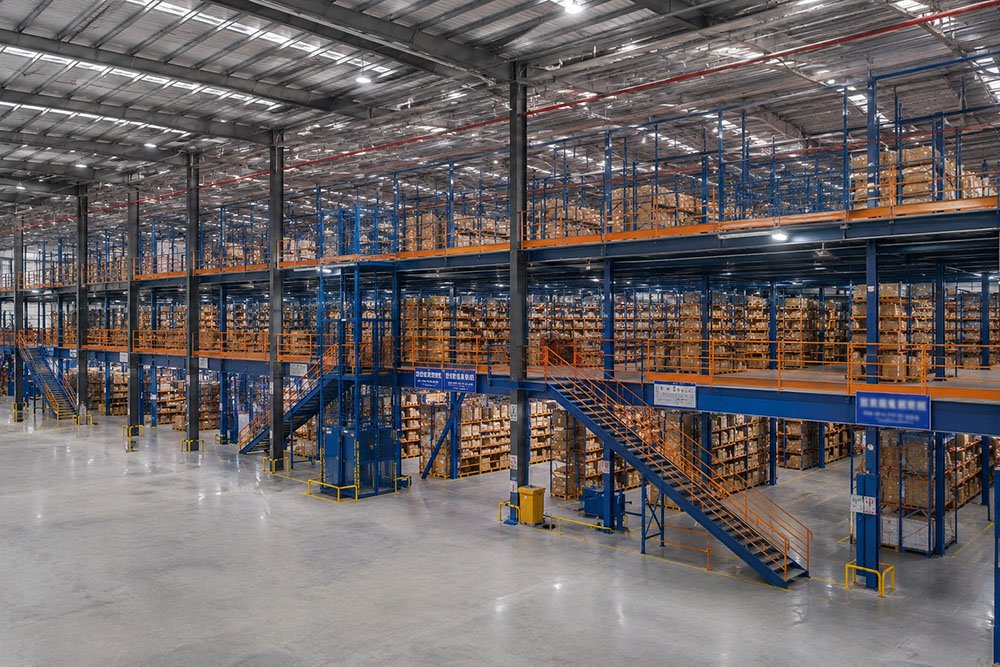
A warehouse with mezzanine is a standalone level built in an existing warehouse. It adds additional floor area, but does not alter the building envelope. Steel mezzanines are not permanently fixed like concrete mezzanines or additional structures on the building, but are completely movable. Over time, they can be reconfigured or relocated, in line with the changing needs of the business.
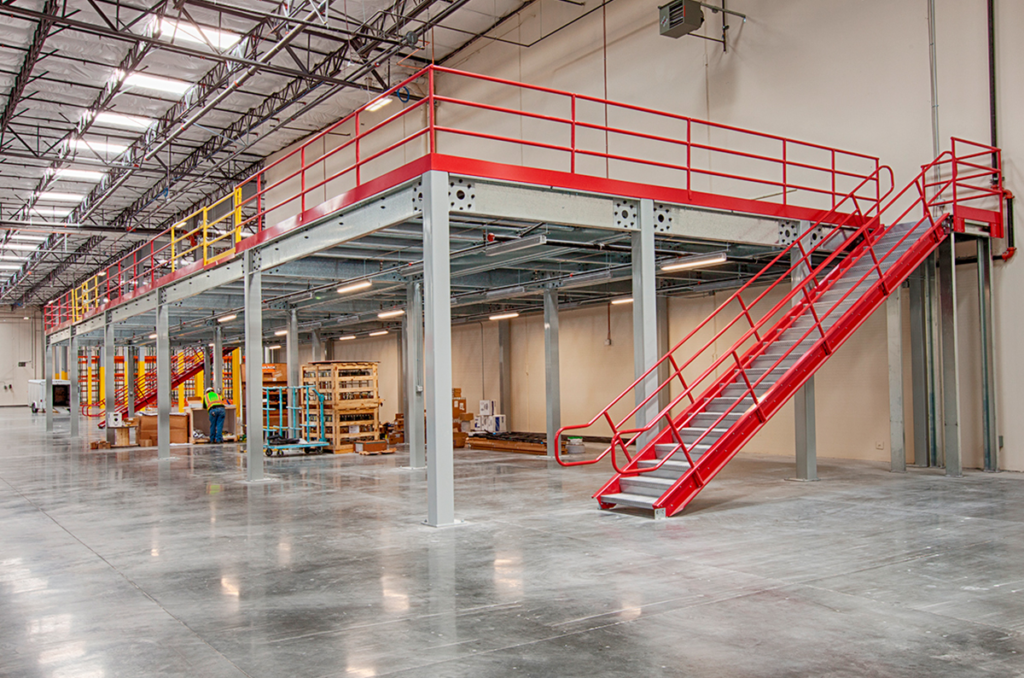
Why Warehouse Mezzanine Cost Is Difficult to Quote Off-the-Shelf
No two warehouses are alike when it comes to ceiling heights, column grid or floor load rating. There are project-specific complexities due to local building codes and occupancy types. Structural steel prices are constantly fluctuating based on commodity markets, thus impacting the actual cost. The cost is even more variable based on regional labor costs and project complexity. All of these variables make it impractical to offer precise “off-the-shelf” mezzanine pricing.
Quick-Reference: 2026 Mezzanine Construction Cost Ranges
Basic Entry-Level Mezzanine Installations
On average, the basic mezzanine floor cost is $40-$60 per square foot in 2026. These are standard steel platforms with little customization. There will be only simple guard rail and staircase designs.
Standard Industrial Midrange Projects
The cost of most facilities for mezzanine installations is $70-$120 per square foot. This includes structural improvement, flooring and code-compliant safety features. It continues to be the most popular spending range in the warehousing industry.
Heavy-Duty High-Customization Tier
Fully engineered multi-level warehouse mezzanine cost can be $150-$250+ per square foot. Costs are much higher when heavy floor loads and integrated utility systems are present. These are usually used for pharmaceutical or high-density fulfilment operations.
Small-Scale Project Budgets
Typically, projects smaller than 1,000 square feet range from $10,000 to $50,000. Labor for permitting, engineering and installation costs are still fixed factors. Be conservative on budget to prevent going over budget midway through the project.
Investments in large and complex projects
The cost of a large mezzanine construction frequently surpasses $100,000 and sometimes even reaches $500,000 or more. Multi-level structures and seismic compliance significantly increase budgets. Up-front detailed scope planning avoids expensive redesigns during the construction process.
Types of Warehouse Mezzanines and Their Cost Implications
The most critical scoping decision is to understand the type of mezzanine required. There are different structural, compliance and cost requirements associated with each type.
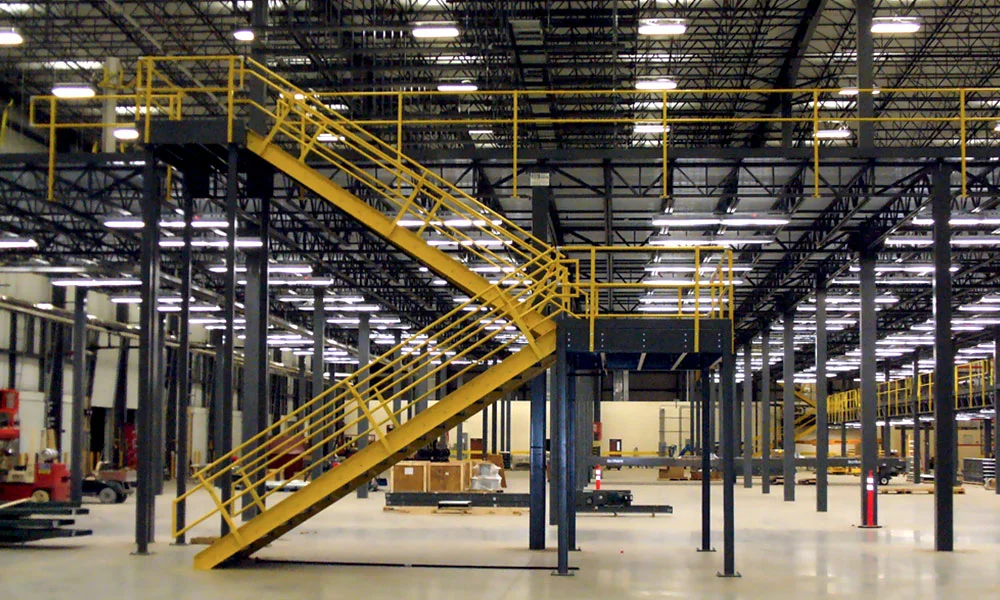
Structural Steel Mezzanines
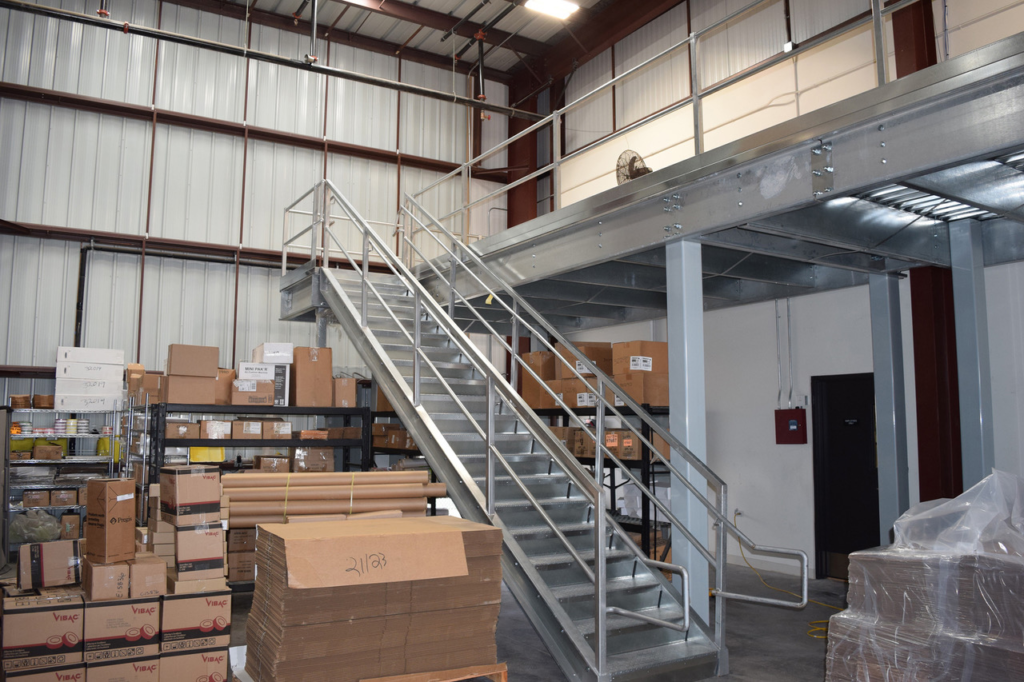
In most industrial and warehousing operations throughout the world, structural steel mezzanines are still the most popular option for construction mezzanine applications Hot-rolled columns and beams provide a great load-carrying ability for heavy-duty applications. The average steel mezzanine cost is $70-$175 per square foot based on configuration. With longer lead times, there is a need for pre-planning of purchasing requirements during project scoping.
Modular / Pre-Engineered Mezzanines
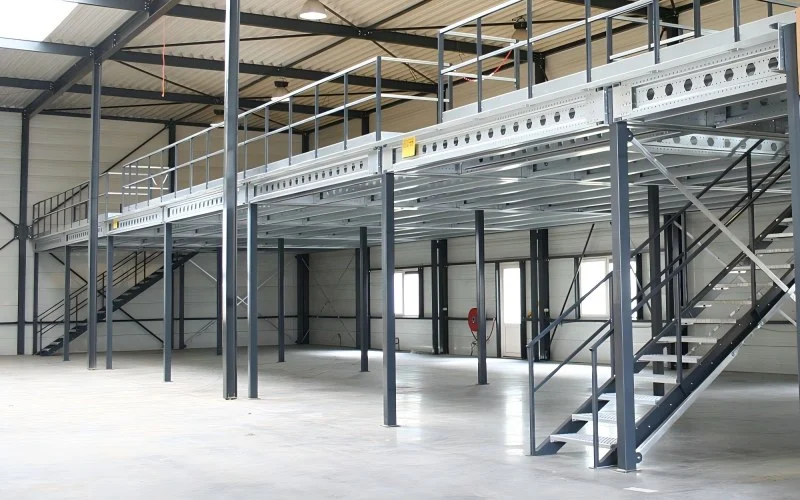
Modular mezzanines are constructed from factory-made, bolt-together components that will greatly reduce the amount of labour required on site. The installation time is 30-50% faster than the traditional structural builds. Standard warehouse mezzanine cost configurations are $60-$130/sq ft. They can be impractical in some cases due to irregular floor plans or non-standard spans.
Rack-Supported Mezzanines
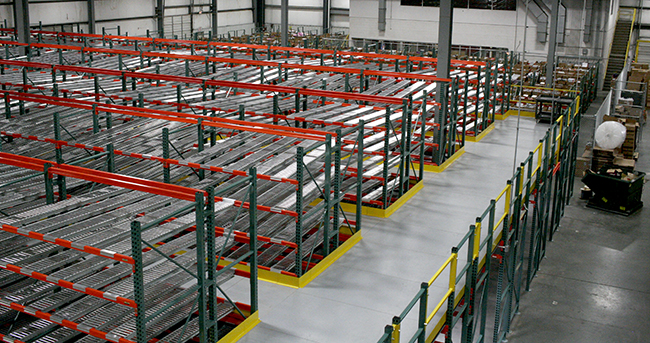
Rack-supported mezzanines seamlessly fit into existing pallet racking systems, without requiring the installation of any separate vertical support structures at all. The price range of this approach is $50-$110 per square foot of installation. High-bay warehouses offer maximum pick-and-pack density without additional footprint. But after any layout change, a complete re-engineering of the structure is required.
Speciality / Industry-Specific Mezzanines
Food-grade, pharmaceutical and clean-room environments with strict compliance requirements are served by specialty mezzanines. The engineering and material cost is greatly increased due to FDA and GMP standards. The Aluminium or stainless steel warehouse mezzanine construction cost is 20 – 40% over the steel standard. Sealed decking, sanitary design and speciality coatings add to overall project costs.
Cost Comparison by Mezzanine Type
| Mezzanine Type | Cost/Sq Ft (USD) | Typical Project Size | Key Use Cases | Notes |
| Basic Steel Mezzanine | $40–$70 | 500–2,000 sq ft | Light storage, walkways | Bare-bones; excludes most add-ons |
| Standard Industrial Mezzanine | $70–$120 | 1,000–5,000 sq ft | Warehousing, order fulfillment | Most common B2B configuration |
| Heavy-Duty Mezzanine | $120–$175 | 2,000–8,000 sq ft | Heavy equipment, pallet storage | Reinforced columns and decking |
| Modular Office Mezzanine | $100–$160 | 500–3,000 sq ft | On-floor offices, HR, QC | Includes partitioning, HVAC rough-in |
| Multi-Level / Complex Mezzanine | $150–$250+ | 3,000–10,000+ sq ft | High-density storage, multi-use | Custom engineering; longest lead time |
| Aluminum / Specialty Mezzanine | $80–$140 | 500–2,500 sq ft | Clean rooms, food-grade facilities | Corrosion-resistant; lighter load ratings |
Key Factors That Determine the Cost of Building a Mezzanine Floor
Several factors influence mezzanine floor prices, making it important to evaluate each project individually rather than relying on generic estimates. For broader industry guidance, consult MHI’s material handling resources.
The Size and Square Foot
The most basic of the mezzanine cost drivers is project size. Premiums are applied to installations less than 500 sq.ft. because of fixed engineering costs. Material and labour efficiencies are gained in larger projects over 1,000 sq ft. Volume steel pricing is available for very large systems (5,000 sq ft +).
Load Capacity Requirements
The structural load requirements directly affect the size of the columns, depth of the beams and thickness of the decking. Light-duty ratings cater to personnel access (50-125 PSF) for office use. Medium duty is suitable for typical warehouse storage (125-250 PSF). An increase in load ratings will increase the cost of structural steel by 15-30%.
Decking Selection and Materials
The type of decking used can have a significant impact on the cost and lifespan of the project. Bar grating is $5-$10/sq ft and provides great ventilation. Diamond plate steel is $8-$15 per square foot, and looks great. Concrete-filled decking, suitable for heavy rolling loads, costs $22 per square foot.
Customizations and Add-On Features
Stairways and Access Options
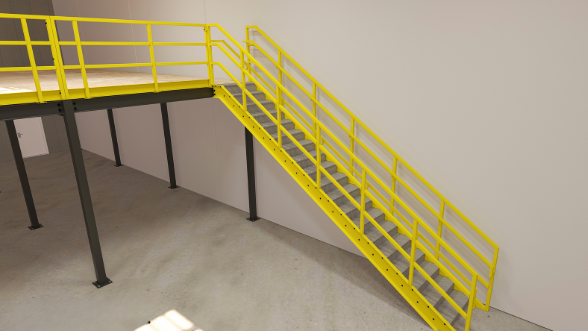
The type of stairs you choose will affect your budget and how you run your business every day. The cost of standard straight stairs is $1,500 to $4,000 when installed. Because of extra complexity, switchback or L-shaped designs are $3,000-$7,500. Ship’s ladders are limited-access savings that cost $800-$2,000. Accessibility (ADA) is an additional expense based on local jurisdiction.
Requirements for Handrails and Guardrails
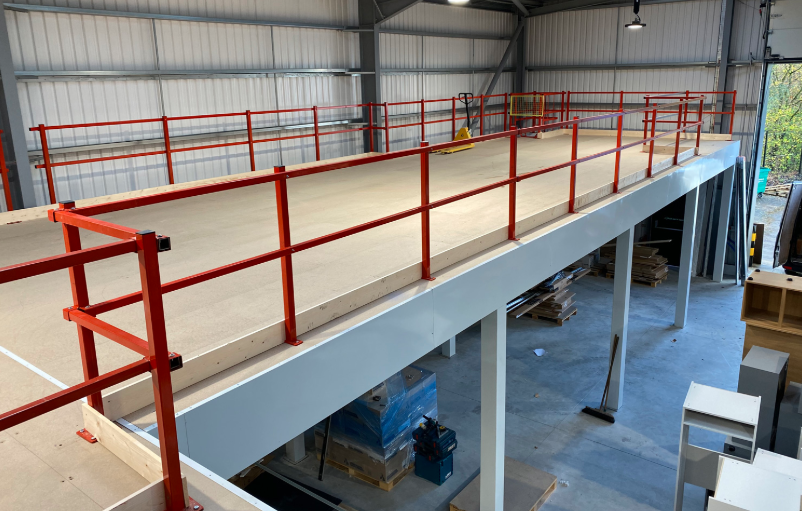
OSHA 1910.29 requires guardrails be installed on all open sides 4 feet above lower levels. The price of standard pipe rail is $25-$50 per linear foot. Cable rail or architectural options range from $60-$120 per linear foot. Non-compliant guardrails can mean significant OSHA fines and project shutdowns.
Safety Gate Configurations
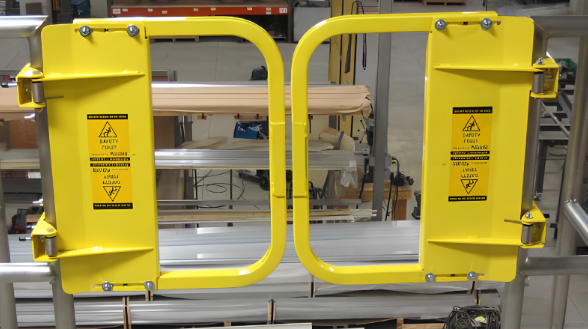
The type of material that is being transferred between mezzanine levels influences the selection of gates. The cost of basic swing gates is $400 to $900 per gate for personnel access. For forklift loading, pallet drop and pivot gates are $1200-$3500 each. Automated pallet gates run at $4,000-$10,000 or higher, and do not require human intervention.
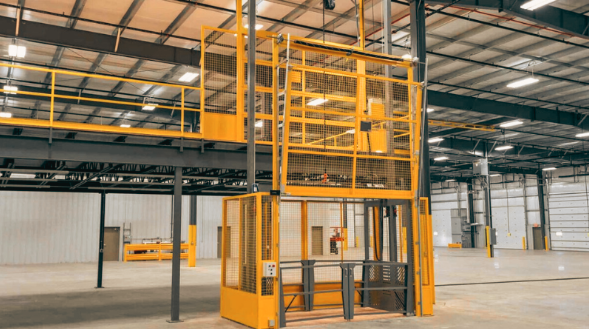
Material Lifting and Vertical Transport
Heavy inventory needs to be moved vertically, and mechanical solutions other than stairs are required. Scissor lifts and vertical reciprocating conveyors range from $15,000 to $60,000 or more. The use of VRCs significantly increases throughput, but adds complexity in the permitting process and early engineering coordination. In addition to equipment costs, allow for installation, electrical and inspection costs.
Surface Finishes and Protective Coatings
The type of finish will influence the durability, maintenance, and suitability for the environment. Most baseline mezzanine quotes include a standard primer coat. Powder coating is offered at an additional cost over base prices of $2 to $5 per square foot. For a wet or outdoor application, the cost of hot-dip galvanizing the material is 15 to 25% more.
Site and Structural Conditions
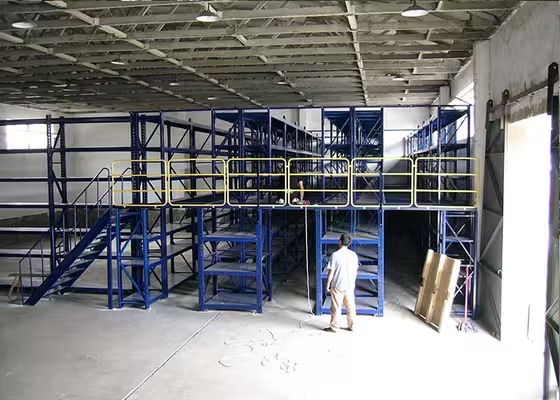
The existing floors will need to carry column point loads from 20K to 80K lbs. The deeper the beams, the more costly they are; this is important for larger column-free spans. Mezzanines are severely limited by ceilings less than 14 feet. Costly rerouting of sprinkler lines, HVAC ducting and electrical conduit is often necessary.
Geographic Location and Labour Market
In major metropolises, union labour can push up warehouse mezzanine costs for installation by 20 to 40 per cent. Projects that are close to the government frequently do require Davis-Bacon prevailing wage requirements. Freight is normally about 8 to 12 per cent of material cost. That percentage is further increased at remote locations.
Permitting, Engineering, and Code Compliance
Structural drawings that have been PE stamped range in price from $1,500 to $8,000, depending on the complexity of the drawing. Permit fees range from $500 to $5,000 depending on jurisdiction. The cost of fire sprinkler extension under new deck ranges from $3,000 to $20,000. Guardrail heights, stair dimensions and gate requirements are addressed in OSHA 1910.
Cost Component Breakdown: Where Every Dollar Goes
| Cost Component | Typical Range | % of Total Project Cost | B2B Considerations |
| Structural Steel & Framing | $15–$80/sq ft | 35–45% | Steel price volatility; get locked-in quotes |
| Decking (grating, plate, concrete) | $5–$20/sq ft | 8–12% | Type affects load rating and maintenance |
| Installation & Labor | 30–50% of materials | 25–35% | Varies by region, union vs non-union |
| Stairs, Handrails & Safety Gates | $2,000–$15,000 (per unit) | 5–10% | OSHA 1910.23 compliance required |
| Freight & Logistics | 8–12% of materials | 4–8% | Distance from manufacturer matters greatly |
| Engineering & Permitting | $1,500–$8,000+ | 2–5% | Structural PE stamp often required |
| Electrical, Lighting & Sprinklers | $3–$8/sq ft | 3–8% | Local fire code may mandate sprinklers |
| Optional: Lifts / Conveyors | $10,000–$60,000+ | 0–15% | Vertical lift modules increase ROI significantly |
How to Get Accurate Quotes and Avoid Common Pricing Pitfalls?
Prepare Thoroughly Before Contacting Vendors
Get your floor plan, ceiling heights and column locations up front with all vendors. Add slab thickness, load ratings and heaviest equipment weights planned. Explicitly define time limits and other site restrictions, such as sprinkler systems and electrical panels.
Ask the Right Questions During Vendor Outreach
No materials-only quotes, always insist on fully installed pricing. Check if engineering, PE stamped drawings and permit fees come with it. Ask for purchase order to completed installation and final inspection lead times in writing.
Quickly Identify Red Flags in Mezzanine Quotes
Lump-sum pricing (no line-item breakdown) is a bad sign from a vendor right away. When freight and labor are not specified as “TBD” it can lead to unexpected cost increases down the road. Do not accept any quote which does not include IBC compliance, guardrails or standard safety features.
Compare TCO with the Bid Price
The lowest bid is not necessarily the lowest total cost of ownership. Modular systems are much less expensive to reconfigure than permanently welded systems. Look for vendors that provide 10 to 25 year structural warranties and a good engineering services after mezzanine installations.
Why Lracking Is Your Most Reliable Partner for Mezzanine Procurement
Lracking is the solution that comes into play when procurement accuracy is important. Lracking’s 16+ years in manufacturing, ISO and CE certifications, and complementary custom design drawings, put an end to the guesswork in mezzanine budgeting. Their warehouse mezzanine cost engineers work up precise quotations from your confirmed warehouse drawings (no estimates). Lracking offers factory direct price, flexible shipping terms (FOB/CIF/DDP), end-to-end installation support, and more than 70 countries of service for Fortune 500 clients that make your mezzanine investment precise, compliant, and cost-efficient.
Conclusion
Mezzanines are a practical and cost-effective solution to maximize storage space while preventing the need for relocating facilities. By knowing the factors that influence the warehouse mezzanine cost, design needs and compliance concerns, businesses can make informed investment decisions and minimize unnecessary expenses. Lracking provides companies with reliable procurement services, factory prices, and custom-made solutions. When properly planned and partnered, a mezzanine system can provide long term operational efficiency and an outstanding return on investment.
Frequently Asked Questions
Can I finance or lease a mezzanine?
Yes, there are many manufacturers of mezzanines and third-party equipment finance companies that will allow you to lease or instalment purchase a mezzanine. The length of a typical term is 36 to 84 months. Leasing retains capital and might provide operating expense treatment, rather than capital expenditure – see your CFO and tax advisor.
What does a mezzanine do to my property taxes or lease?
A mezzanine is a personal property (not permanently attached to the structure in most jurisdictions) and, as such, might be considered different from real property improvements. Detailed lease review – some landlords may require improvements, make sure to clearly define who will own the mezzanine and what rights they have to remove it.
How long does a steel mezzanine last?
When cared for properly, structural steel mezzanines will routinely last 20–40+ years. If kept corrosion-free, the steel structure itself can last an infinite period of time. Every 10-20 years, decking and safety components may require replacement depending upon the traffic and loading conditions.
Can a mezzanine be moved when we relocate?
Yes — most of them, especially modular and bolted-connection mezzanines. The overall disassembly, transport and re-installation of warehouse mezzanine cost is usually 30-60% of the original installation expense, and this makes it a viable asset to move to a new facility. Embedded or welded structures will be more difficult to move.