The storage solution you choose has a direct impact on the efficiency of your warehouse, SKU accessibility, and your bottom line. Bad racks cost companies millions of dollars each year in lost productivity and lost space. One of the biggest struggles B2B procurement teams face is balancing upfront savings with long-term durability, which is why they are trying to buy durable but cheap storage racks. This guide equips decision makers with a tried and tested methodology from start to finish, to competitively source for quality racks. You will find out where to source, which types of racks, cost per unit benchmarks, vendor evaluation criteria and negotiation tactics. Let’s get started!
Understanding Your Storage Requirements Before You Buy
Many buyers aim to purchase durable and cheap storage racks. When comparing different storage shelving racks, you should thoroughly assess your storage needs to prevent any costly errors down the road. Determine static and dynamic shelf load limits carefully. Always check manufacturer statements against independent load test data for accuracy. Accurately determine floor area, space for aisles, ceiling height and column obstructions. Typical forklift aisles are 8 to 12 feet wide at a minimum.
Review your SKU profile: drive-in racks are best for slow moving bulky items. Selective Pallet Racks work best with fast-moving mixed SKUs. Obey OSHA 29 CFR 1910.176 and RMI standards at all times! In earthquake prone areas, businesses are also required to comply with local seismic zone requirements. Lastly, always keep a capacity buffer of 20 – 30% for future growth.
Types of Storage Racks and Their Cost Implications
A. Selective Pallet Racking
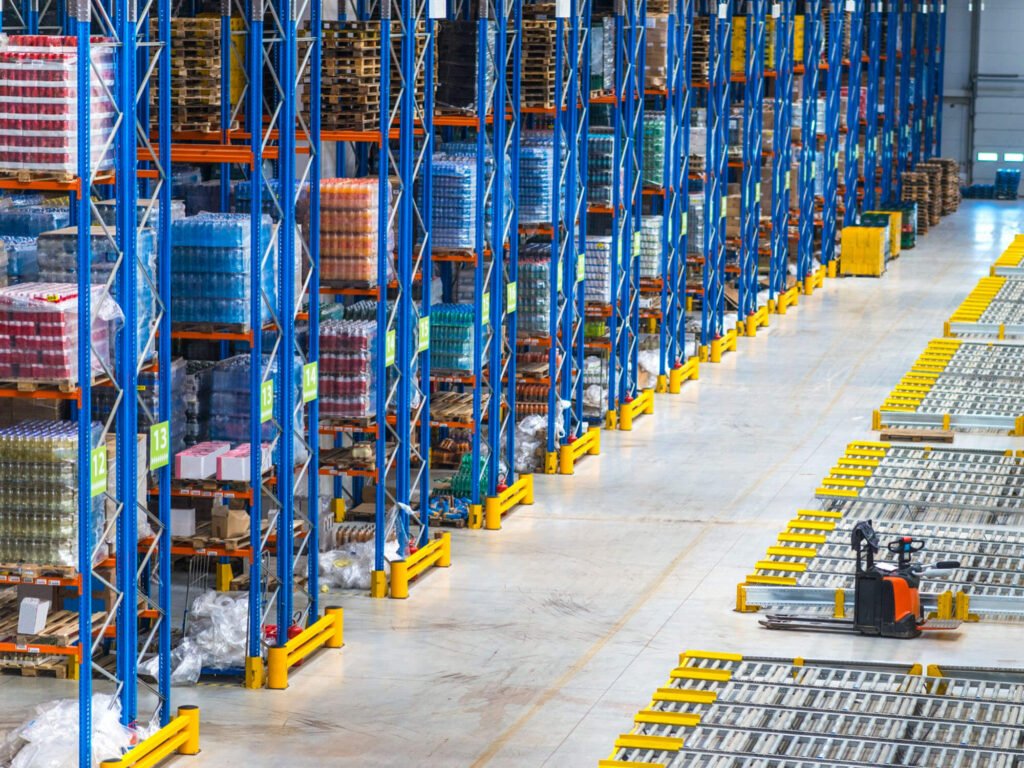
The most used system throughout general warehouses is selective pallet racking, widely regarded as cheap warehouse shelving when balancing cost efficiency and accessibility. All pallet positions remain instantly available, so there is no retrieval delay at all. The new units are priced at $50 to $120 per pallet position, while reconditioned units are $20 to $60 per position.
B. Drive-In / Drive-Through Racking
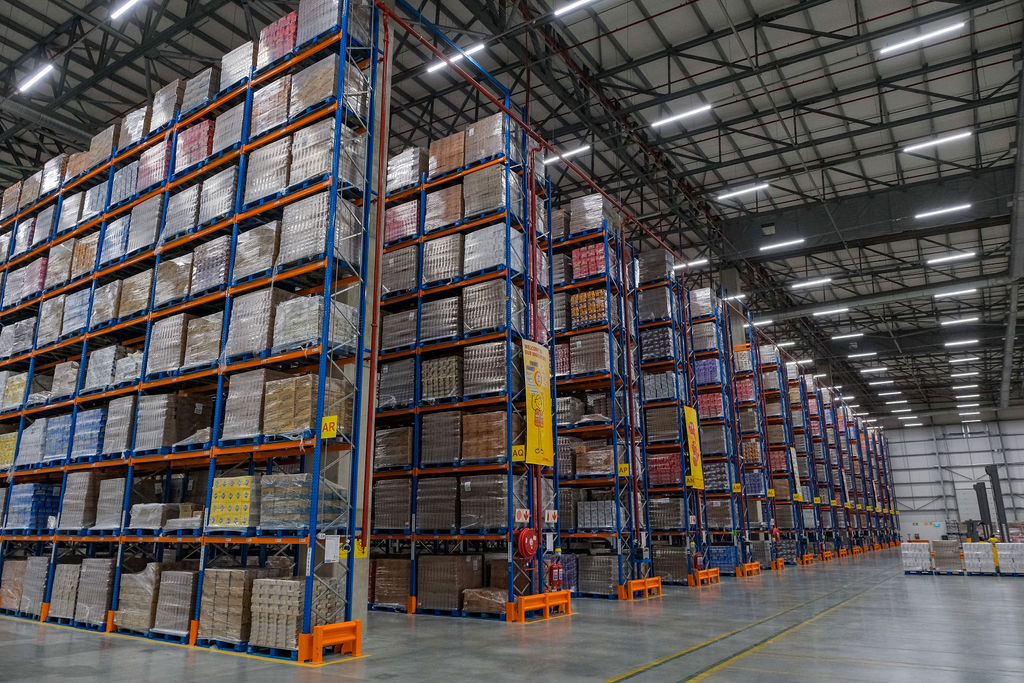
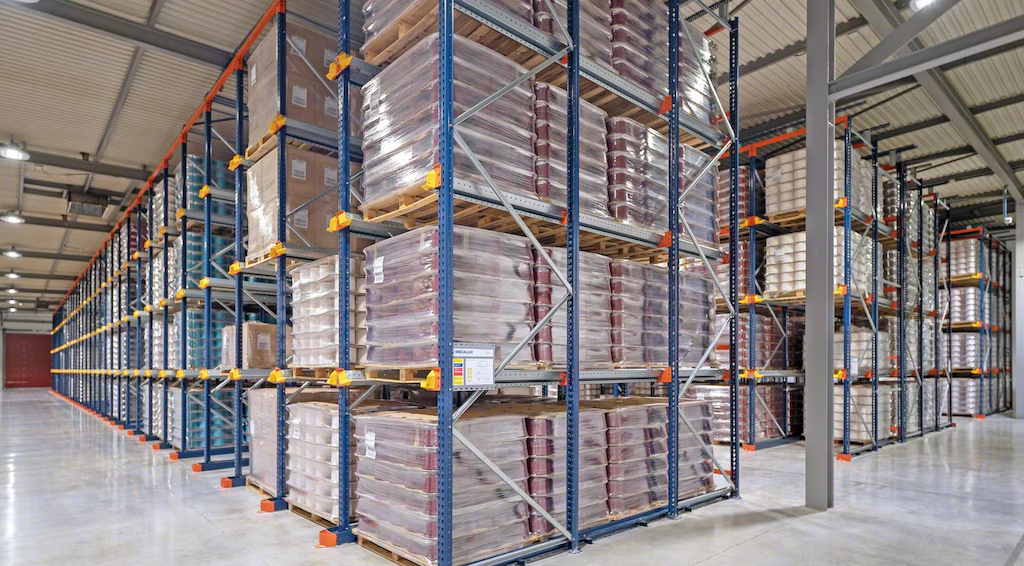
Drive-in systems are a way of eliminating cross-aisles and thus significantly improving the amount of storage space per square foot. This is a forklift direct rack bay and is perfect for homogeneous SKUs. The cost of $80–$200 per pallet position is to be expected, with cold storage operations seeing the most benefit.
C. Push-Back Racking
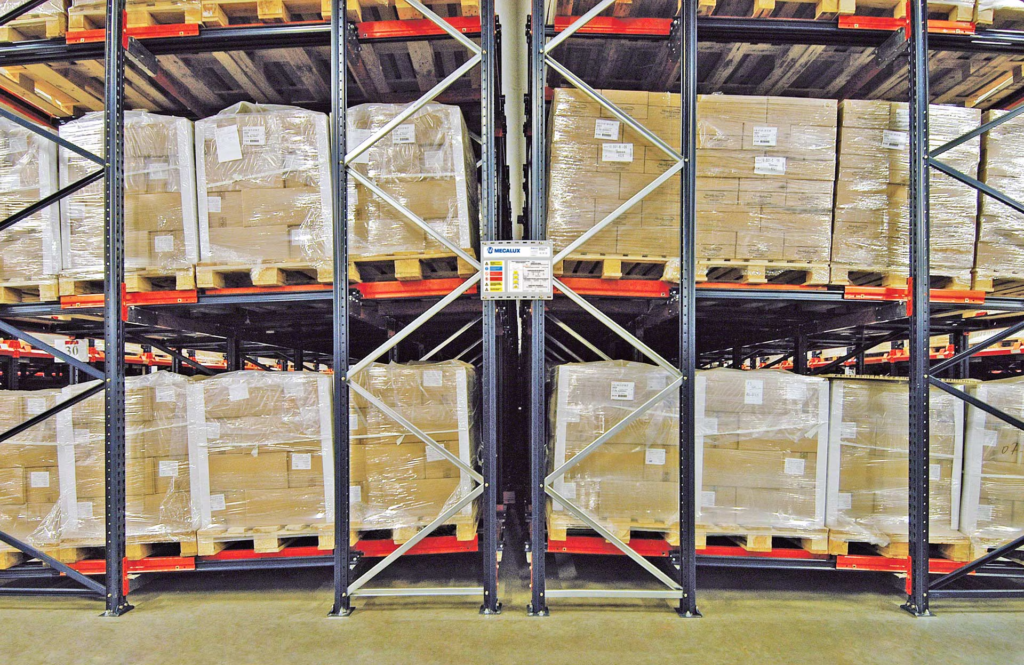
Push-back systems are deep pallets, with two to six pallets stored on inclined rails. This provides excellent density and maintains reasonable SKU access as compared to full drive-in designs. For inventory with medium turnover, plan on spending $150-$300 per pallet position.
D. Cantilever Racking
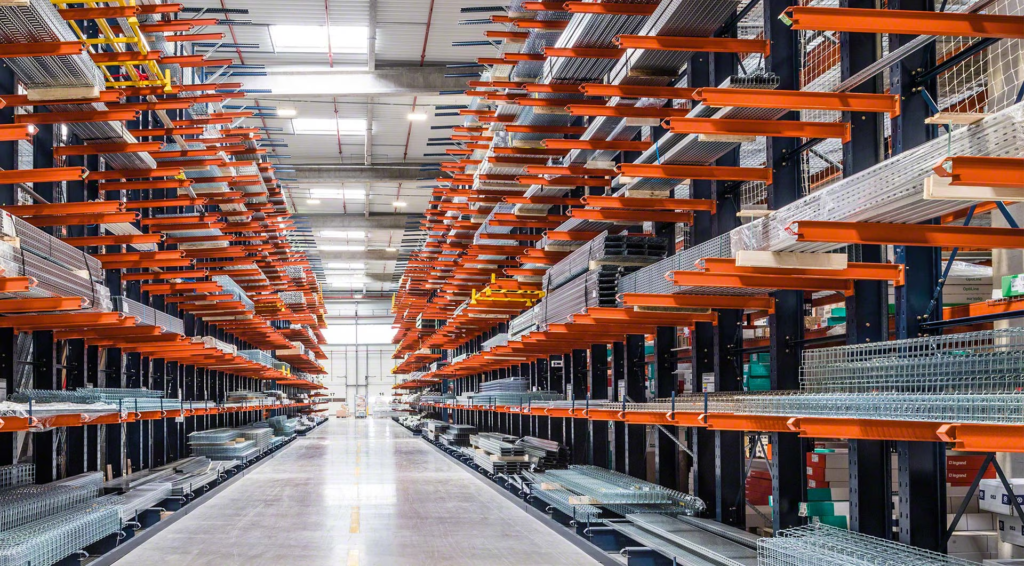
Cantilever systems are used to support long, awkward loads which cannot be accommodated with traditional racking. It is a configuration that is heavily used by a lot of lumber yards, pipe suppliers and furniture distributors. The prices are $300 – $700 per arm level, depending on load rating.
E. Mezzanine / Multi-Tier Racking
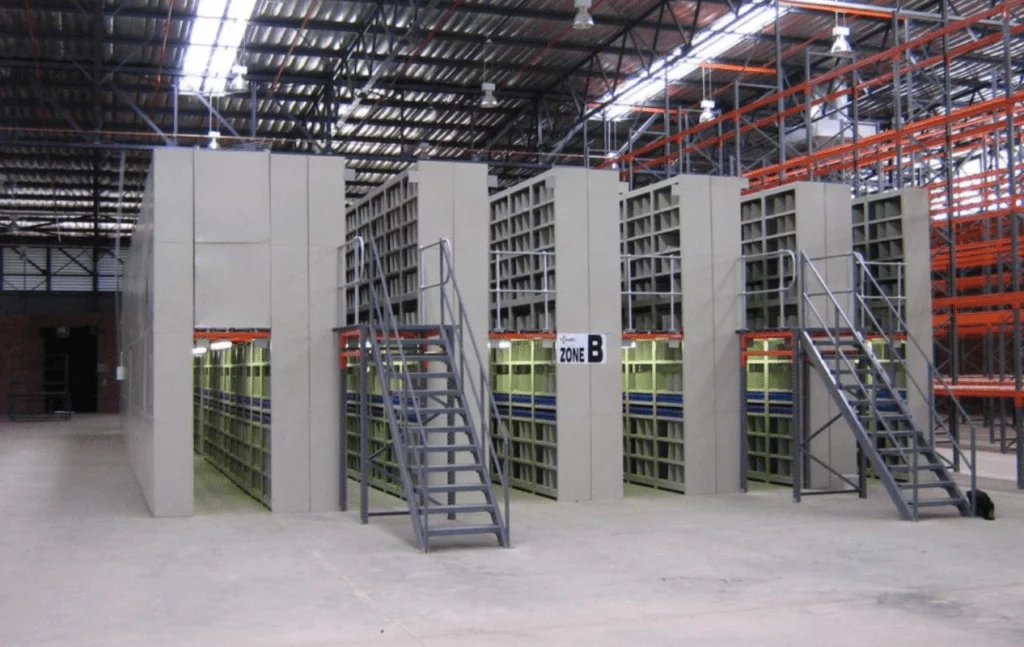
Mezzanine systems can double the amount of storage space, while not disturbing your buildings footprint. Structural platforms are created over active floor operations, utilizing every vertical foot. The typical range for the cost of platform construction is $15 to $30 per square foot installed.
F. Wire Decking & Accessories
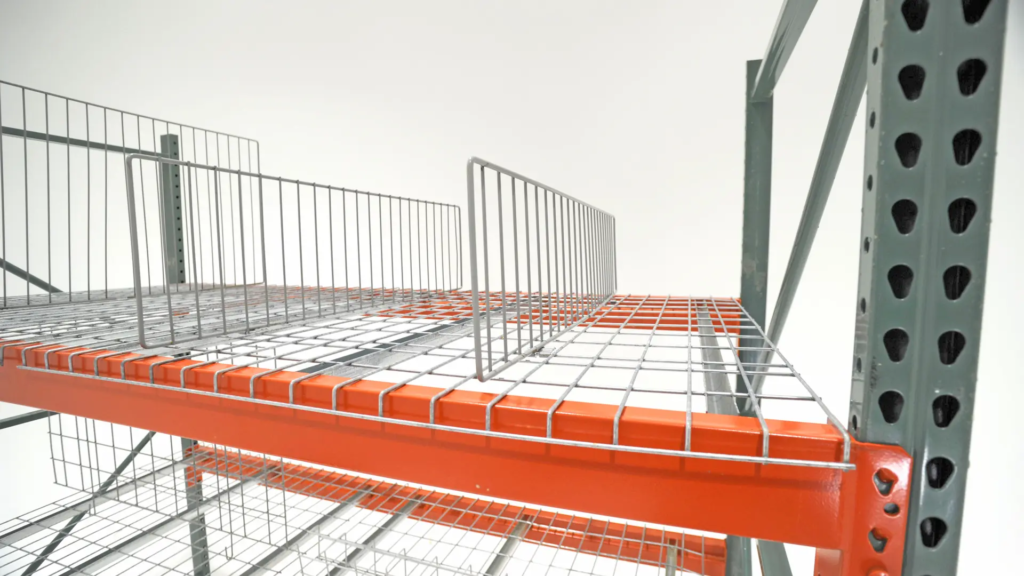
Wire decking rack is one of the cheap storage racks that are usually under-budgeted in the initial rack procurement planning stages. In addition to load stability, wire decks allow for easy access to fire suppression systems under pallets. Plan for a $20-$60 rack per position, per pallet, to prevent the expensive add-on after installation.
New vs. Used vs. Reconditioned Racks: A Cost-Benefit Analysis
New racks are fully warranted and have a certified load rating, making them perfect for regulated environments. There are significant operational risks with used racks as they can have hidden structural damage, offering 40-70% savings. Avoid using any used racking in your facility without first using the services of a professional inspector. Pay particular attention to bent uprights, cracked welds, missing safety pins, and seam integrity. The RMI requires upright to be replaced immediately if it has a bend of more than 1/240th column height. For those seeking a middle ground, cheap storage racks in reconditioned form hit the sweet spot — they are inspected, fixed and load-certified by certified suppliers prior to selling. Reconditioned racks from trusted suppliers are the best cost-value return for high throughput plants that operate forklift trucks on a daily basis.
Storage Racking Type Comparison for B2B Buyers
| Rack Type | Avg. Cost (New) Per Pallet Position | Avg. Cost (Used/Reconditioned) | Load Capacity Range | Space Efficiency | Best B2B Use Case | Key Procurement Consideration |
| Selective Pallet Racking | $50–$120 | $20–$60 | 2,000–8,000 lbs/level | Moderate (100% selectivity) | General warehousing, 3PL, retail DC | Most widely available; easiest to source used |
| Drive-In / Drive-Through | $80–$200 | $40–$90 | 2,500–6,000 lbs/level | High (deep-lane density) | Cold storage, homogeneous SKU operations | Requires specialized forklift; higher installation cost |
| Push-Back Racking | $150–$300 | $70–$140 | 2,000–5,000 lbs/level | High (2–6 pallet deep) | FMCG, mid-turnover manufacturing | Fewer used suppliers; verify cart mechanism integrity |
| Cantilever Racking | $300–$700/arm level | $120–$350/arm level | 500–5,000 lbs/arm | High for long loads | Lumber yards, steel distributors, furniture | Arm length and load rating are primary cost drivers |
| Mezzanine / Multi-Tier | $15–$30/sq. ft. (platform) | $8–$18/sq. ft. | Varies by design | Very high (vertical) | E-commerce, auto parts, archives | Requires structural engineer sign-off; permitting may apply |
| Mobile Pallet Racking | $200–$500 | $100–$250 | 2,000–6,000 lbs/level | Very high (eliminates aisles) | Cold storage, archiving, high-value goods | High upfront cost; reduces long-term real estate expense |
Step-by-Step B2B Buying Process for Cheap Warehouse Racking
1. Conduct Storage Needs Assessment
Map all load types, dimensions and SKU profiles throughout your facility first. Your growth projections need to drive your automation investment from the ground up. For broader industry guidance, consult MHI’s material handling resources.
2. Identify the appropriate type of rack
Align the use of match racks to your operational throughput, velocity and inventory mix. The wrong types of racks are a hidden drain on productivity and a hidden increase in long-term costs.
3. Consider New, Used, and Reconditioned Options
This decision of buying cheap storage racks and equipment is greatly affected by budget, compliance, and deployment timetables. There are savings to be had with reconditioned systems, but they require thorough structural certification prior to being approved.
4. Identify Qualified Suppliers
Single sourcing brings an unwanted price and availability risk to your procurement. Diversify both manufacturer and certified dealers and specialized industrial automation distributors at once.
5. Send out a Formal RFQ
Vague RFQs result in quotes that are incomparable and end up wasting time on the procurement process and delaying decisions. Clearly define load capacity, size, throughput goals, and WMS integration.
6. Evaluate All Quotes
The unit price also will not show the financial commitment of automated storage procurement. Consider the installation, maintenance, energy use and cost of long-term support contracts.
7. Conduct Thorough Vendor Due Diligence
Check RMI compliance certifications, client references and financial stability of each vendor. Weak vendors delay projects, cause warranty issues, and support failures that are expensive.
8. Negotiate Beyond Price
Items such as freight costs, payment terms, and warranty coverage play a large part in the “total procurement value. Get confirmed accessory inclusions and service response commitments prior to contract signing.
9. Approve the plan of installation and safety inspection
Bad installation planning leads to operating interruptions, structural mistakes and compliance issues. Ask for an installation timeline in writing, a qualified installer, and dates for pre-load safety inspections.
10. Post-Installation
Never exceed posted placard weight ratings for loading racks. Get an annual structural inspection completed right after commissioning to ensure safety compliance.
Where to Buy Cheap Storage Racks: Sourcing Channels Ranked by Cost
1. Direct from Manufacturers: Lowest Per-Unit Cost at Volume
You can save a large sum on cheap warehouse shelving by purchasing from the direct manufacturers. For instance, Lracking was established in 2008 in Dongguan, China, and has customers in 70+ countries, including Fortune 500 companies. They manufacture certified pallet racking, cantilever systems and mezzanine floors in their factory with 18000+ sqm production area. They are an attractive direct-source solution for volume buyers, with a free layout design, ISO/CE certification, and a delivery time of 15-20 days.
2. Rack Distributors and Dealers
Regional distributors such as Cisco-Eagle, Warehouse1 and SJF Material Handling carry new and used inventory. The delivery speed is much higher as compared to ordering from overseas manufacturers. A margin markup of 15-30% over the manufacturer cost can be expected, which is offset by local support and reduced lead times.
3. Online B2B Marketplaces
Alibaba is good for importing cheap shelves in containers but has a lead time of 30-90 days, import taxes and QC issues. Global Industrial and Uline provide catalog reliability, but are not the least expensive options. Amazon Business is good for small accessory orders, but it’s not really a viable option for bulk rack procurements.
4. Liquidation and Surplus Auctions
Platforms such as IronPlanet, Liquidity Services, and GoLiquidation can save up to 60-80% off new retail prices on cheap storage racks. The condition of racks can vary greatly and only be determined by a professional inspection. Before investing in any big lot at auction, have one of the qualified structural inspectors from the company send an inspector in.
5. Plant Closures and Direct Business Sales
Industrial real estate brokers and facility closure coordinators often run their own big rack liquidations. This channel is always the most cost effective source of bulk used rack purchases. Be sure to plan for disassembly, transportation, and reinstallation expenses before making any purchase commitment.
6. Rack Buyback and Trade-In Programs
Some manufacturers and distributors provide trade-in credits which are directly credited to the price of new racks. This saves 10-25% in net procurement costs for replacing aging or undersized storage racking infrastructure. Always get a written valuation for a trade-in from several dealers before considering any one program.
Sourcing Channel Comparison for Storage Racks
| Sourcing Channel | Relative Cost | Min. Order Quantity | Lead Time | Quality Assurance | Best For | Key Risk |
| Direct Manufacturer | Lowest (high volume) | 50–100+ bays typically | 8–16 weeks | Full warranty + certs | Large-scale, long-horizon projects | Long lead time; limited flexibility post-order |
| Regional Distributor | Low–Moderate | 1–50+ bays | 1–4 weeks | Varies; ask for RMI compliance | Mid-size operations needing support | Price markup vs. direct |
| Online B2B Marketplace (US) | Moderate | 1+ units | 1–2 weeks | Varies by vendor | Small orders, accessories, urgent needs | Price not always best for bulk |
| Alibaba / Import | Very Low | Container load (~20–40 bays) | 30–90 days | QC required; no US warranty by default | High-volume buyers with lead time flexibility | Import duties, QC, freight costs |
| Liquidation Auctions | Very Low | Lot-based | Immediate–2 weeks | No guarantee; buyer inspects | Budget-constrained buyers; experienced buyers | Condition unknown; no returns |
| Plant Closure / Business Sale | Very Low–Low | Lot-based | Variable | Inspection required | Bulk buyers with transport capability | Logistics complexity; time-sensitive |
| Manufacturer Trade-In Program | Low (net) | Linked to new purchase | 4–10 weeks | New rack quality | Businesses upgrading existing systems | Tied to new purchase commitment |
Key Cost Factors That Drive Rack Pricing
Steel Market Fluctuations
The main cost in any racking system is the hot rolled steel that is used. Global commodity markets have direct control over the price that manufacturers charge buyers. Keep an eye on CRU or MEPS indices before deciding when to purchase. When the steel market is down, there can be significant savings in buying.
Vertical Gauge and Height
The higher the uprights, the more raw material is required, and the higher the unit cost. The thicker the steel the higher the gauge number, and the more it costs. When only structural requirements are mentioned, then there is no need of overspending on material.
Surface Finish Selection
The most basic finish that is available on racking systems is standard orange paint. Powder coating will make the part more durable, but the cost will be noticeable. For food-grade or outdoor applications, galvanized steel is required, and this can increase the total amount of materials cost by 20-40%.
Bay Dimension Standards
The most common basic size a manufacturer makes is a standard 96″ wide x 42″ deep bay. Any dimension that is not standard automatically brings on custom manufacturing premiums, which increase project budgets. Having layouts based on standard dimensions where operationally possible helps to keep procurement costs under control.
Order Volume & Consolidation
Volume discounts are always available for larger consolidated orders at a reduced price of 10–30% from standard price. When buying from different departments or different facilities consolidated orderings leverage cheap shelving as a practical way to standardize storage across sites . Small orders are broken up and lose a lot of savings which accumulate on large projects.
Installation Labor Costs
Installation costs are usually $5-$15 per pallet position, depending on the complexity of the system and labor costs in the area. Labor cost can be the same as or even higher than the total rack material cost for large projects. Independent competitive installer quotes, not from the rack supplier, avoids bundled pricing.
Negotiation Strategies for Procurement Teams
Request Itemized Quotes
Have all vendors estimate the cost of the materials, freight, installation and accessories separately. Bundled Quotes contain embedded markups on several line items. Quotes can be broken down to provide your team with leverage during price negotiations.
Leverage Competitive Bidding
Before you even start negotiating, always get 3 vendor quotes. Make competing bids transparent – vendors react more quickly when they understand there are competing bids. Transparency creates improved pricing without impacting supplier relationships.
Consolidate Multi-Site Orders
When buying cheap storage racks from various locations, the consolidated PO always triggers volume pricing levels. Vendors would rather have fewer orders that are bigger, than more orders that are smaller. One contract makes it easier to administer and can make a huge difference in your negotiating power.
Negotiate Freight Separately
Some distributors are padding freight prices to make up for losses elsewhere. Always compare distributor freight cost to direct carrier quotes on their own. That straightforward contrast frequently yields eight to 15 percent savings.
Inquire about Pricing
Manufacturers and distributors routinely deal with quarterly and annual sales targets. The Q4 or fiscal year end is a real time of urgency for vendors. That urgency also means that your team will be rewarded with discounts that they otherwise wouldn’t get.
Ask for Extended Payment Terms
Most procurement departments are severely affected by their large rack investments in terms of short-term cash flow. Net 60 or Net 90 terms is a way of negotiating the actual financing term. That working capital advantage, sometimes, outweighs a small initial price cut.
Bundle Accessories Together
Wire decking, column protectors and safety pins are expensive and need to be bought separately. When you bundle your accessories with your rack order, you’re looking at 10 to 20 percent savings. Vendors like to make a whole sale and will reduce accessories to get the whole order.
Conclusion
To wrap-up, the purchase of cheap storage racks is a structured B2B procurement process and should not be just a price comparison. Careful planning for storage shelving racks selection, supplier evaluation, and total cost analysis is essential to success. Lracking is a solid manufacturer that provides a cost-efficient, certified storage solution, internationally available with customisation support, among the sourcing options. A business can ensure long-term efficiency, safety compliance and substantial cost savings in the operations of their warehouses through a combination of strategic sourcing and trusted partners.