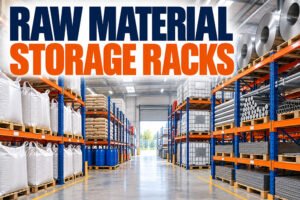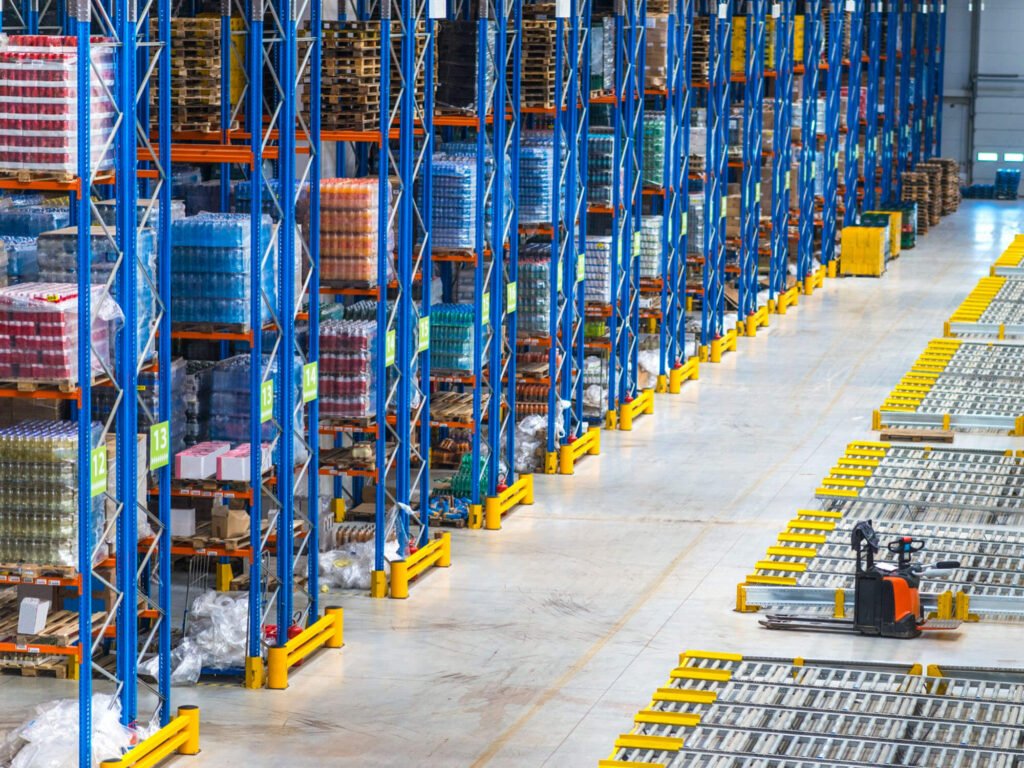
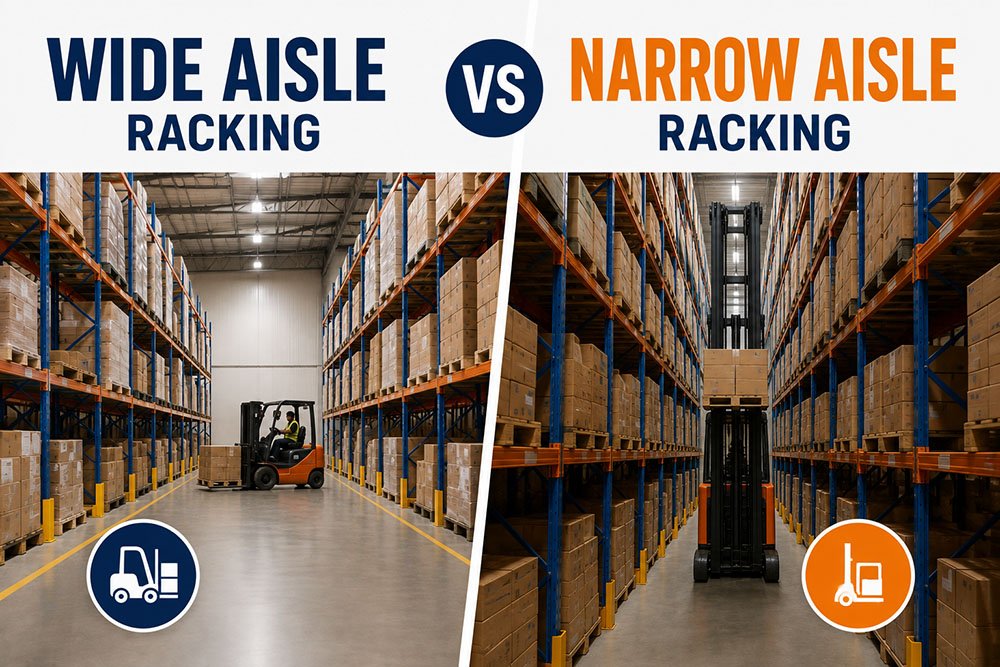
Aisle width is one of the most consequential decisions in warehouse racking design, yet it often gets treated as a secondary detail — dictated by whichever forklift the operation already owns rather than analyzed as a strategic choice. In practice, aisle width shapes almost every downstream aspect of warehouse operations: storage density, handling equipment cost, picking speed, safety, and how much of the building’s footprint actually stores inventory versus supporting movement.
This guide compares wide aisle and narrow aisle racking directly, explaining when each layout makes sense and what tradeoffs come with the choice.
What Distinguishes Wide from Narrow Aisle Racking
Aisle width in warehouse racking refers to the clear distance between opposing racking rows, measured to accommodate the forklift or handling equipment that operates within that aisle. The width required depends primarily on the equipment’s turning radius, load handling method, and safe clearance margins.
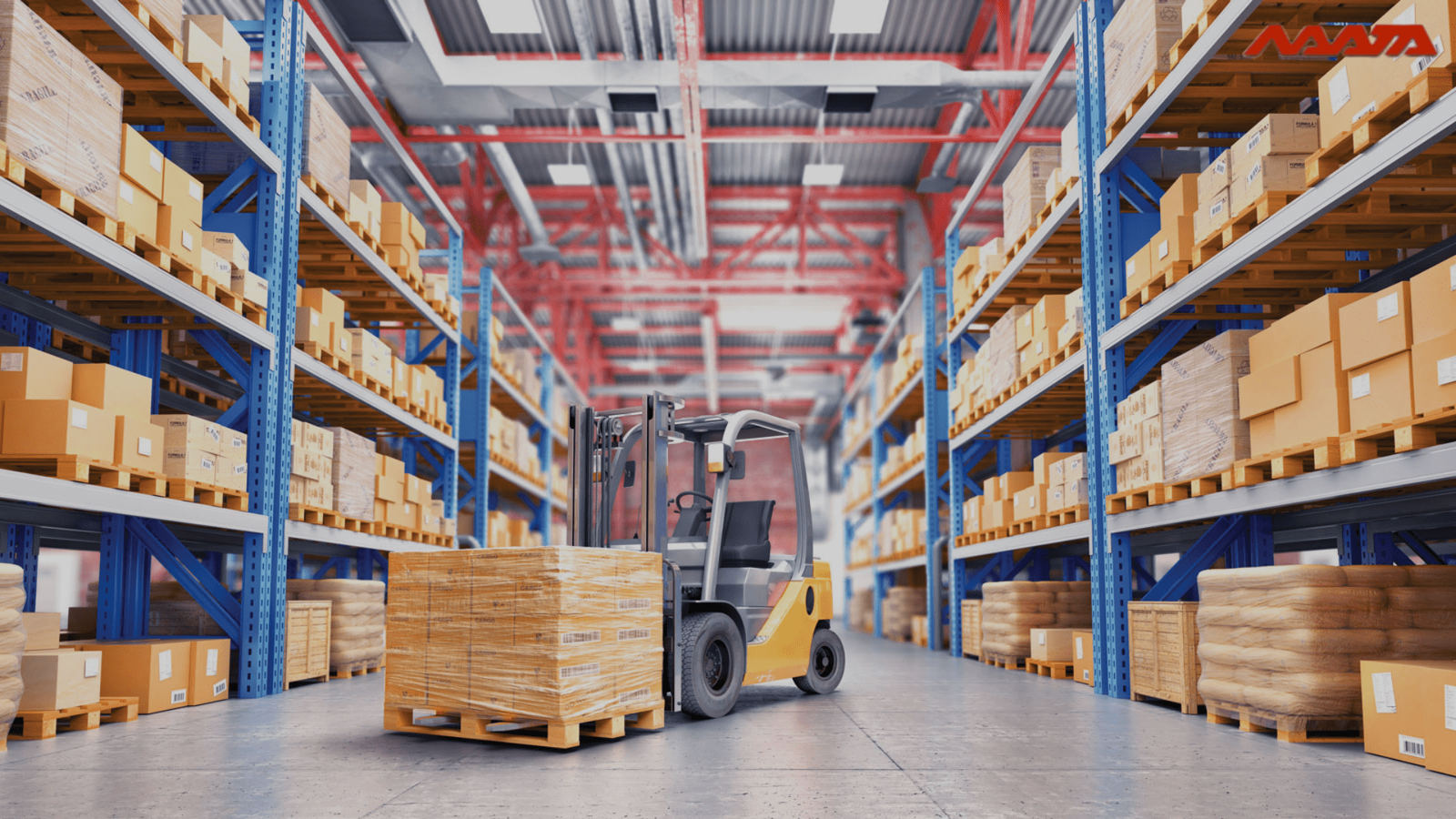
Wide aisle (WA) racking generally refers to layouts with aisle widths of approximately 3.5 to 4.5 meters, sized for standard counterbalance forklifts that need room to turn 90 degrees with a loaded pallet at the aisle end. This is the most common warehouse layout globally, used in facilities where standard forklifts are already in operation and where storage density is not the primary constraint.
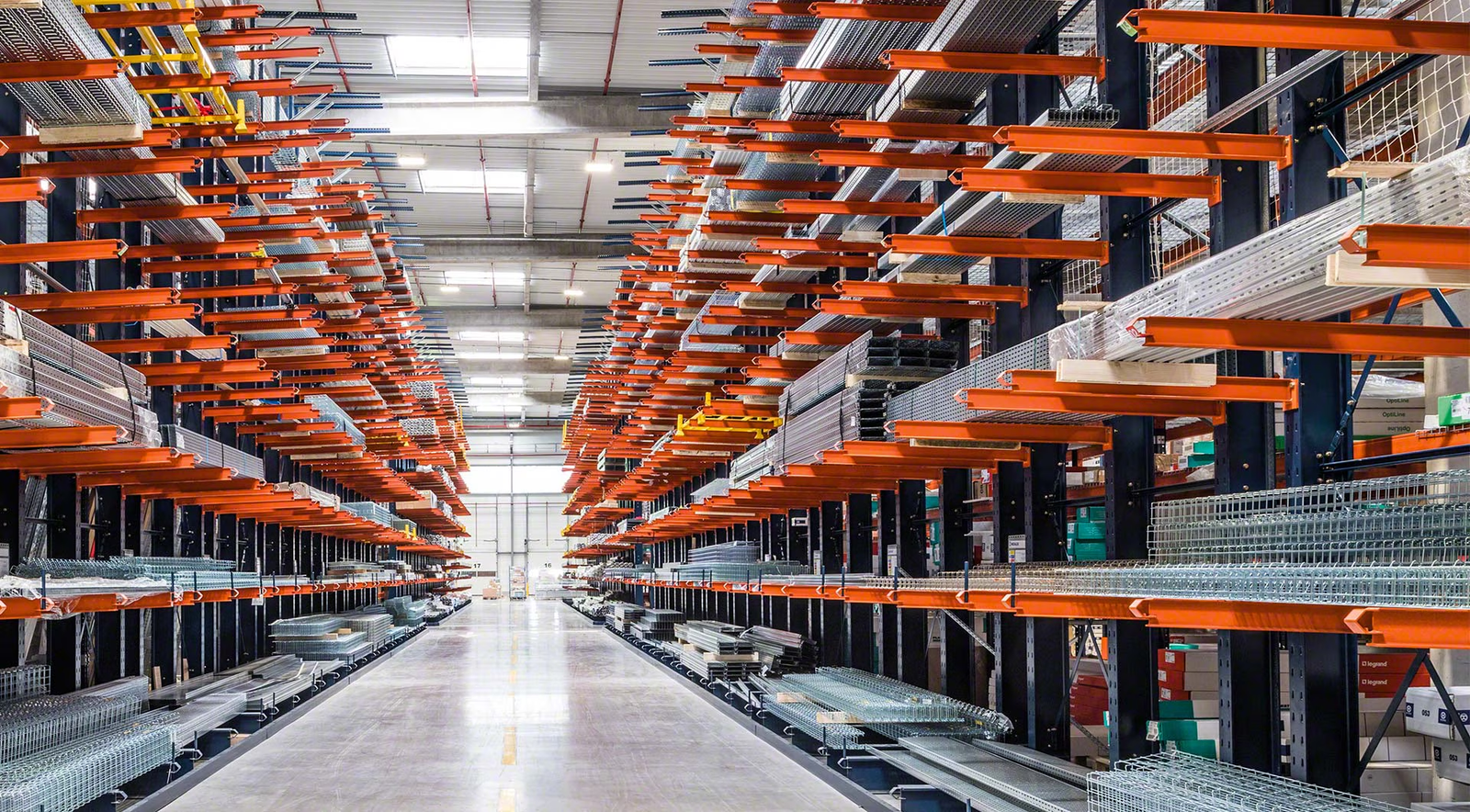
Narrow aisle (NA) racking covers layouts with aisle widths of roughly 2.5 to 3.0 meters, served by narrow-aisle equipment such as reach trucks that can extend their forks forward rather than requiring a full body turn. This layout increases storage density compared to wide aisle by reducing the floor area consumed by aisles.
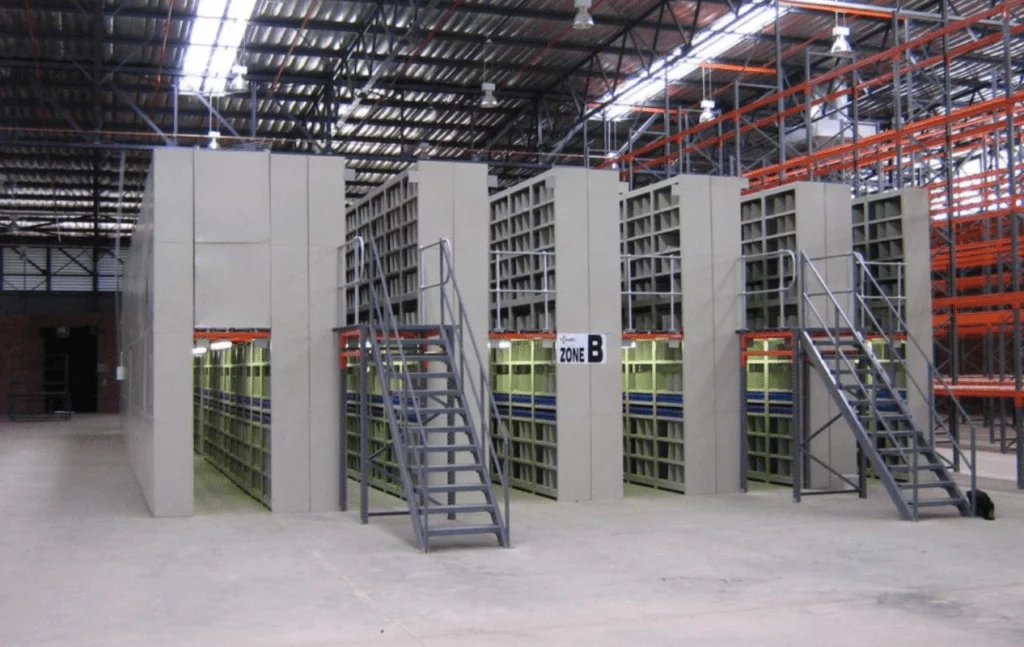
Very narrow aisle (VNA) racking — a distinct category worth noting alongside these two — reduces aisle widths further to approximately 1.5 to 1.8 meters, requiring specialized guided narrow-aisle forklifts. A closer look at this configuration is covered in this guide to VNA pallet racking, but for this comparison the focus is on wide versus narrow as the two most common commercial choices.
The fundamental tradeoff is that narrower aisles convert non-storage floor space into storage capacity, but require handling equipment and operational discipline that add cost and complexity elsewhere in the operation.
Current Challenges in Aisle Width Selection
Equipment-driven default decisions. Many warehouses adopt aisle widths dictated by the forklifts they already own, rather than analyzing whether that equipment is optimal for their storage and throughput needs.
Underestimating floor space value. Wide aisles consume significant floor area — often 30 to 40 percent of the total warehouse footprint — and the ongoing cost of that floor space, whether owned or leased, is easy to overlook when comparing racking configurations.
Overestimating narrow aisle savings. Narrow aisle formats increase storage density but require specialized equipment, operator training, and often floor flatness upgrades, which can offset the density gain if not properly costed in advance.
Ignoring throughput implications. Narrower aisles typically slow forklift movement compared to wider aisles, and this speed difference matters more in high-throughput operations than in facilities focused primarily on storage density.
Treating aisle width as fixed. Some operators assume aisle width cannot be changed once racking is installed, when in fact many warehouses successfully reconfigure aisle widths as inventory profiles and equipment capabilities evolve.
Direct Comparison: Wide vs Narrow Aisle Racking
Storage density. Narrow aisle layouts store significantly more pallets in the same building footprint than wide aisle equivalents — often 25 to 35 percent more, depending on specific dimensions. This is the primary and most visible advantage of going narrow.
Handling equipment. Wide aisle racking is served by standard counterbalance forklifts, which are lower cost, widely available, and require less operator training. Narrow aisle racking requires reach trucks or similar equipment, which typically cost more upfront and demand specific training for safe operation.
Forklift movement speed. Standard counterbalance forklifts generally operate faster in open, wide aisles than reach trucks do in narrower aisles, particularly when maneuvering into and out of storage positions. The productivity difference can be significant in high-turnover operations.
Floor flatness requirements. Narrow aisle equipment, particularly reach trucks operating at height, requires tighter floor flatness tolerances than standard counterbalance forklifts, which can add site preparation costs if the existing slab does not meet the required standard.
Operator training and skill. Narrow aisle equipment requires more precise operator control, especially at height, and warehouses transitioning from wide to narrow aisle layouts typically need to invest in additional training and certification.
Damage risk to racking. Narrower aisles increase the likelihood of incidental forklift contact with rack uprights, particularly during high-traffic periods or with less experienced operators. This is one reason structural racking is more commonly specified in narrow aisle configurations, since it withstands impact better than roll-formed alternatives.
Selectivity and access. Both wide and narrow aisle layouts can use selective pallet racking with direct per-pallet access, so aisle width itself doesn’t dictate selectivity. However, the practical picking speed within each aisle differs based on how quickly the forklift can enter, position, retrieve, and exit.
Fire protection. Aisle width affects flue spacing and fire code requirements. Narrow aisles combined with taller racking generally require in-rack sprinkler systems and more sophisticated fire suppression design than wider aisle layouts at moderate heights.
Initial project cost. Wide aisle racking is often lower in total project cost because standard forklifts, simpler installation, and less demanding floor preparation reduce non-racking expenses. Narrow aisle projects invest more upfront in equipment and site preparation in exchange for higher long-term storage density.
Ongoing floor space cost. In facilities where floor space is expensive — leased warehouses in high-cost markets, or owned facilities where expansion would require additional real estate — narrow aisle layouts can pay back their higher initial cost through more efficient use of every square meter of floor area.
Wide vs Narrow Aisle Comparison Table
| Factor | Wide Aisle Racking | Narrow Aisle Racking |
|---|---|---|
| Typical Aisle Width | 3.5–4.5 m | 2.5–3.0 m |
| Handling Equipment | Counterbalance forklift | Reach truck |
| Equipment Cost | Lower | Higher |
| Storage Density | Moderate | High (25–35% more) |
| Forklift Speed | Faster | Moderate |
| Operator Training | Standard | Specialized |
| Floor Flatness Requirement | Standard | Higher tolerance |
| Damage Risk | Lower | Higher (bracing/protection recommended) |
| Fire Protection Complexity | Moderate | Higher |
| Initial Project Cost | Lower | Higher |
| Floor Space Efficiency | Lower | Higher |
| Best For | Speed-focused, mixed operations | Space-constrained, density-focused |
When to Choose Wide Aisle Racking
When throughput speed is more important than maximum storage density. Distribution centers, cross-dock operations, and high-turnover fulfillment warehouses often benefit more from fast, standard forklift operation than from squeezing additional pallets into the same footprint.
When floor space is inexpensive or abundant. Warehouses in low-cost land markets, or with substantial unused floor area, may not justify the higher upfront cost of narrow aisle equipment and site preparation.
When existing forklift fleet is counterbalance-based. Facilities already operating standard counterbalance forklifts avoid the equipment investment required to shift to reach trucks or narrow-aisle-specific machinery.
When operator turnover is high. Operations with frequent staff turnover benefit from wider aisles, since standard counterbalance forklift operation requires less specialized training than reach trucks.
When inventory includes irregular or oversized loads. Wide aisles provide better maneuvering room for handling non-standard load sizes, which can be difficult in narrower configurations.
When the building has moderate ceiling height. Facilities with limited vertical clearance already cap total storage capacity, and the density gains of narrow aisle layouts are less compelling when height is the primary constraint anyway.
When to Choose Narrow Aisle Racking
When floor space is scarce or expensive. Warehouses in dense urban industrial zones, high-lease-cost markets, or facilities that cannot expand horizontally benefit disproportionately from the density gains narrow aisle layouts provide.
When storage capacity is the primary constraint. Operations where inventory volume growth outpaces available floor space often see narrow aisle conversion as more economical than acquiring additional warehouse space.
When the building has substantial clear height. Narrow aisle equipment, particularly reach trucks, can serve taller racking than standard counterbalance forklifts, making narrow aisle layouts more valuable in tall buildings where the vertical space would otherwise be underused.
When throughput is moderate and steady. Facilities that don’t require maximum forklift speed can accept the modest movement speed reduction narrow aisles introduce, in exchange for the density gains.
When long-term facility use is planned. Narrow aisle infrastructure — specialized equipment, floor preparation, operator training — pays back over years of operation, making it a stronger fit for facilities the operator expects to occupy long-term.
When the operation has stable, trained staff. Long-tenured, well-trained forklift operators handle narrow aisle equipment more safely and efficiently than high-turnover staffing does, reducing the elevated damage risk narrow aisles otherwise carry.
Combining Wide and Narrow Aisle Zones
Many warehouses find the strongest results not from choosing one approach exclusively, but from segmenting the facility by function. Fast-moving SKUs and staging areas near shipping docks often occupy wide aisle zones for maximum forklift speed, while slow-moving or reserve inventory sits in narrow aisle zones deeper in the facility to maximize storage density where retrieval speed matters less. This kind of layout segmentation captures the primary advantages of both approaches without requiring a facility-wide compromise between speed and density.
Warehouses evaluating this kind of hybrid layout should also consider how aisle width interacts with racking format selection. Standard selective racking works well in both wide and narrow aisle configurations, while formats such as drive-in and drive-through pallet racking achieve high density through lane depth rather than aisle width, offering another dimension of layout optimization that operates independently of the wide-versus-narrow choice.
Expected Operational Improvements
Warehouses that select aisle width based on their specific throughput and density profile — rather than defaulting to existing forklift compatibility — generally see:
- Higher effective storage capacity per building footprint, particularly when narrow aisle layouts are used in facilities where floor space is genuinely constrained
- Better alignment between handling equipment cost and operational needs, avoiding both overinvestment in specialized equipment and underinvestment that limits density
- Improved throughput consistency, since aisle width matches actual forklift movement patterns and pick velocity requirements
- Reduced racking damage, when aisle width is appropriate for equipment type and operator skill level rather than pushed to unsafe minimums
- More predictable safety performance, since aisle width supports rather than fights the operation’s actual traffic and handling patterns
- Better long-term flexibility, since well-planned aisle configurations can accommodate future SKU or throughput changes without requiring full reconfiguration
Project Considerations Before Deciding
Existing forklift fleet and replacement timing. If the existing fleet is nearing replacement, the aisle width decision can be made together with new equipment selection. If the fleet is relatively new, matching aisle width to existing equipment often makes better economic sense.
Building floor flatness and structural condition. Narrow aisle equipment often requires floor flatness upgrades that add project cost. Assessing the existing slab condition early clarifies whether narrow aisle layouts are feasible without significant site preparation.
Ceiling height and racking type interaction. Narrower aisles combined with taller racking multiply density gains but also multiply fire protection and structural requirements. These interactions should be evaluated together rather than in isolation.
Operator training and turnover. Realistic assessment of staff stability and training capacity affects how safely a narrow aisle layout can be operated over time.
Insurance and fire code implications. Narrower, taller layouts often trigger more stringent fire protection requirements and may affect insurance terms, which should be reviewed with the relevant providers before finalizing the design.
Throughput data. Actual pick volume, cycle times, and peak demand data should drive the aisle width decision, since these factors determine whether density or speed is the higher-value goal in a specific operation.
Long-term expansion planning. Layouts should account for expected inventory and throughput growth, since retrofitting from wide to narrow aisles — or vice versa — is significantly more disruptive than getting the initial configuration right.
Frequently Asked Questions
What is the typical aisle width for a wide aisle warehouse? Wide aisle layouts generally range from approximately 3.5 to 4.5 meters, sized for standard counterbalance forklifts that need room to turn with a loaded pallet at the storage face.
How much more can a narrow aisle layout store compared to wide aisle? Narrow aisle layouts typically increase storage density by approximately 25 to 35 percent within the same building footprint, though the exact gain depends on specific aisle and rack dimensions.
Do narrow aisles require special forklifts? Yes. Narrow aisle layouts require reach trucks or similar narrow-aisle equipment rather than standard counterbalance forklifts, since standard forklifts cannot safely maneuver in the reduced aisle width.
Does narrow aisle racking cost more than wide aisle? Initial project cost is typically higher for narrow aisle layouts due to specialized equipment, floor flatness requirements, and operator training. However, the density gains often justify the difference in facilities where floor space is expensive or constrained.
Can I retrofit a wide aisle warehouse to narrow aisle? Yes, but it typically requires new handling equipment, potentially floor preparation upgrades, operator retraining, and racking reconfiguration or replacement. The retrofit is significant enough that it’s generally planned as a project in its own right rather than an incremental change.
Is narrow aisle safer or riskier than wide aisle? Narrow aisle carries a higher risk of incidental forklift contact with racking due to reduced clearance, but this risk can be managed through appropriate racking specification, operator training, and column protection. Wide aisle inherently has more clearance margin.
How does aisle width affect picking speed? Wider aisles generally allow faster forklift movement and easier maneuvering, while narrower aisles reduce movement speed but reduce travel distance between storage positions. Net picking speed depends on the specific operation’s balance between movement speed and total travel distance.
Can I use both wide and narrow aisle layouts in the same warehouse? Yes, and many warehouses do. Segmenting the facility by function — wide aisles for fast-moving SKUs near shipping, narrow aisles for reserve or slow-moving stock — captures the advantages of both approaches without a facility-wide compromise.
Key Takeaways
- Aisle width is a strategic decision that affects storage density, equipment cost, throughput speed, safety, and long-term flexibility, not just a detail dictated by existing forklifts
- Wide aisle layouts prioritize speed, equipment simplicity, and lower upfront cost, at the expense of storage density
- Narrow aisle layouts prioritize storage density and floor space efficiency, but require specialized equipment, better-trained operators, and often floor preparation upgrades
- Neither approach is universally better — the right choice depends on throughput priorities, floor space cost, ceiling height, and operational profile
- Many warehouses benefit from hybrid layouts combining wide and narrow aisle zones matched to inventory movement patterns
Conclusion
Aisle width shapes far more of a warehouse’s operational profile than its role as a design detail suggests, and treating it as a strategic decision — driven by throughput priorities, floor space value, and long-term operational goals — generally leads to better outcomes than defaulting to whatever the existing forklift fleet supports. Companies such as Lracking are commonly involved in projects where operators are weighing the tradeoff between storage density and handling speed, particularly when facility layout has to serve multiple inventory categories with different movement patterns. For warehouses evaluating wide versus narrow aisle configurations, a project-specific analysis of throughput data, floor space cost, and equipment capability remains the most reliable way to identify which layout — or combination — best supports actual operational needs.