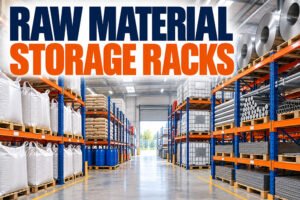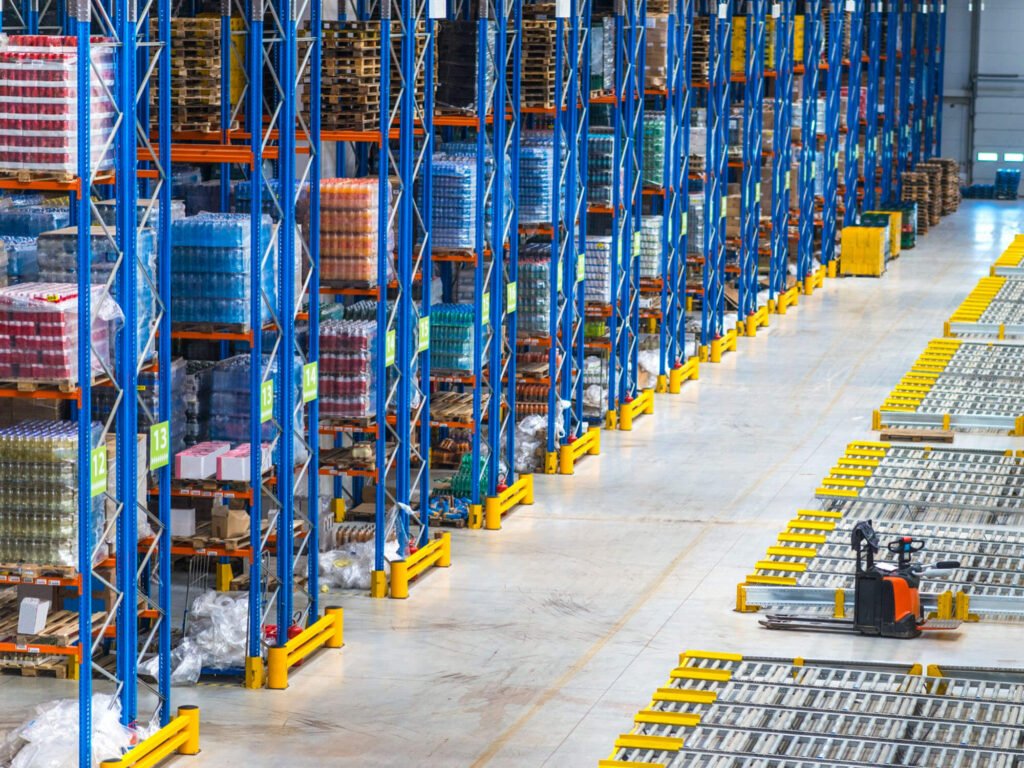

Steel grade is one of the least visible but most consequential specifications in any pallet racking project. Two racking systems can share identical dimensions, coating, and installation quality, yet perform very differently in service because one uses Q235B carbon structural steel and the other uses Q355B low-alloy high-strength steel. The choice between these two grades affects load capacity, service life, safety margins, and project cost — and matching the right grade to the right application is one of the more concrete decisions warehouse operators and procurement teams can make to avoid over-spending on light-duty needs or under-specifying heavy-duty ones.
This guide focuses on which racking applications call for Q235B versus Q355B, based on typical load scenarios, racking types, and operating conditions, rather than treating the choice as a general “which is better” question.
What Q235B and Q355B Actually Are
Before matching grades to applications, it helps to clarify what these two materials are, since the comparison only makes sense once the underlying differences are clear.
Q235B is a carbon structural steel governed by China’s GB/T 700 standard. The “Q” indicates yield strength (from Chinese “qū”), the “235” designates a minimum yield strength of 235 MPa, and the “B” refers to an impact test quality grade tested at room temperature. Q235B is the most widely used general structural steel in China and dominates the standard pallet racking market due to its balance of adequate performance and low cost.
Q355B is a low-alloy high-strength structural steel under GB/T 1591, offering a minimum yield strength of 355 MPa — roughly 50 percent higher than Q235B. It contains small additions of alloying elements such as manganese, silicon, and sometimes vanadium or niobium that increase strength without significantly increasing weight. Q355B replaced the older Q345B designation in the 2018 standard update; the two are functionally equivalent for most racking purposes. Q355B typically costs 15 to 25 percent more per ton than Q235B, but this cost difference is often offset by using thinner sections to achieve the same load rating.
The practical implication is straightforward: for the same cross-section dimensions, a Q355B component supports significantly more load than a Q235B equivalent. Alternatively, achieving the same load rating with Q355B allows for lighter, thinner components — which affects both material cost and overall structure weight.

Direct Comparison: Q235B vs Q355B for Racking
| Property | Q235B | Q355B |
|---|---|---|
| Standard | GB/T 700 | GB/T 1591 |
| Minimum Yield Strength | 235 MPa | 355 MPa |
| Tensile Strength Range | 370–500 MPa | 470–630 MPa |
| Steel Type | Carbon structural steel | Low-alloy high-strength steel |
| Cost (per ton) | Baseline | 15–25% higher |
| Weldability | Excellent | Good |
| Formability | Excellent | Good |
| Typical Application | Standard-duty racking | Heavy-duty, high bay, structural racking |
| Availability | Universally available | Widely available |
Strength. Q355B’s roughly 50 percent higher yield strength allows racking components to carry heavier loads at the same cross-section, or to achieve equivalent load ratings with thinner or lighter sections.
Cost. Q235B is the lower-cost option per ton, but total project cost depends on how much material is used. Q355B projects sometimes end up at similar overall cost because thinner sections offset the higher per-ton price.
Weldability and formability. Both grades are weldable and formable, but Q235B is generally easier to work with — a factor that matters for roll-formed racking components with complex profiles.
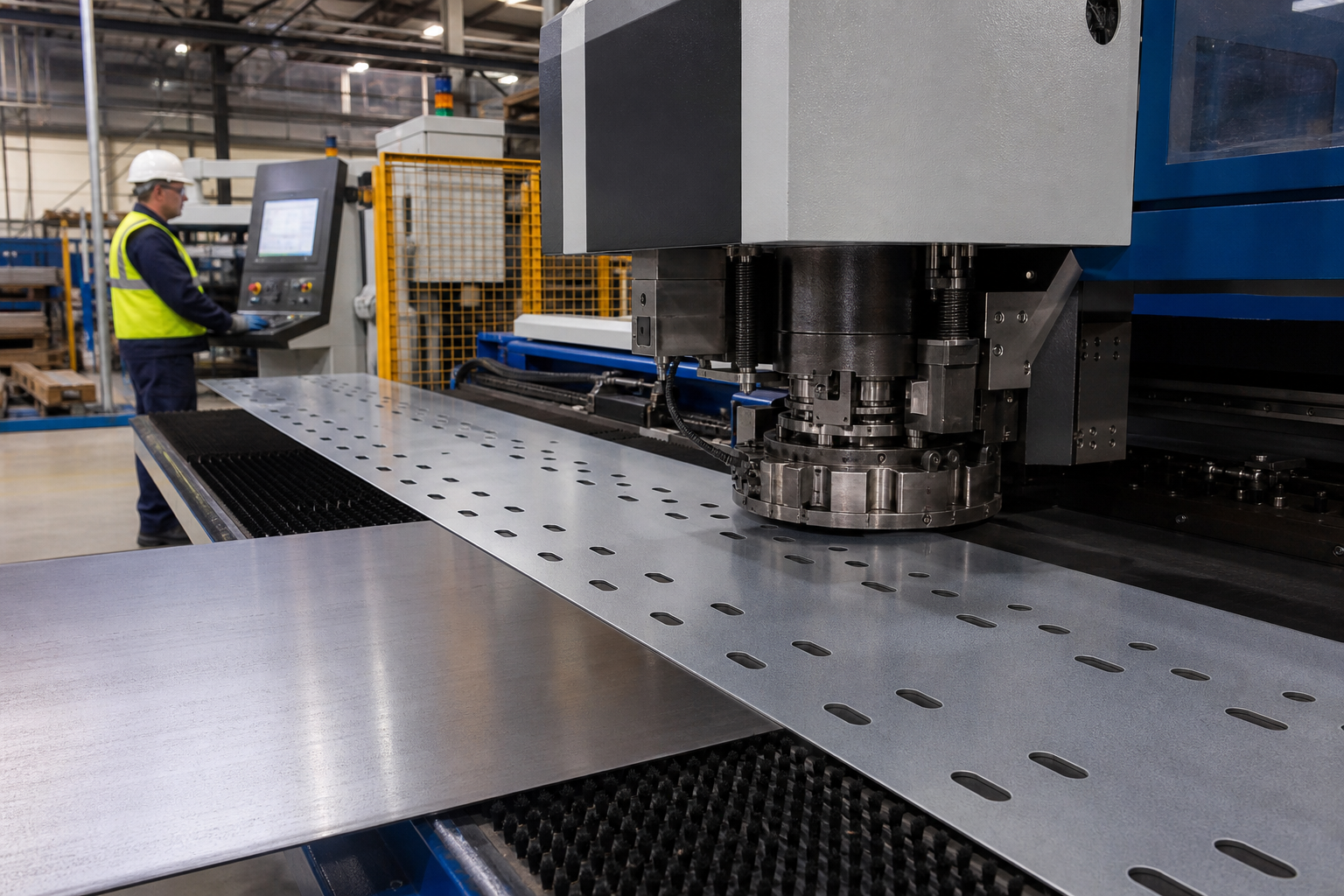
Availability. Both are widely available in China and increasingly common in export markets, though Q235B tends to have shorter lead times due to its broader use.
Service life and durability. Under equivalent load conditions and coatings, both grades offer similar corrosion resistance and expected service life. Where Q355B differs is in its behavior under high-load or impact conditions — its higher strength provides greater safety margin against structural fatigue, which becomes more relevant in demanding applications.
Matching Steel Grade to Racking Application
The most useful way to approach this decision is by racking type and load scenario, since the appropriate grade depends heavily on what the racking will actually store and endure.
Standard selective pallet racking (light to moderate loads). For selective pallet racking storing pallets of typical weight — up to roughly 1,000 to 1,500 kilograms per pallet position — Q235B is generally the standard specification. It provides adequate load capacity with acceptable safety margins at a cost-effective price point, and represents the mainstream choice for general warehouse and distribution operations.
Heavy-duty selective pallet racking (heavy pallets or high-impact zones). When pallet weights exceed roughly 1,500 to 2,000 kilograms, or when the racking sits in a high-traffic, high-impact zone where forklift contact is likely, Q355B becomes the more appropriate choice. The higher yield strength provides greater safety margin against both overload and cumulative fatigue from repeated impacts, and this is one of the areas where the cost premium is most clearly justified.
Drive-in and drive-through racking. In drive-in and drive-through pallet racking, forklifts operate inside the rack structure itself, dramatically increasing the likelihood of column impact. Q355B is commonly specified for the columns and structural members in these systems, particularly for the load rails and end-of-lane uprights that face the highest impact exposure. Interior columns of lighter drive-in systems may still use Q235B where cost sensitivity is high and impact risk is lower.
Cantilever racking for long or heavy materials. Cantilever racking supports loads projecting outward from vertical columns, creating significant bending moments at the column-arm connection. For heavy applications such as steel pipes, structural steel, or timber bundles, Q355B is often specified for the columns and arm bases to handle these bending loads safely. Lighter cantilever applications for lumber, furniture panels, or moderate-weight goods can typically use Q235B without issue.
Drive-in, VNA, and structural racking above roughly 8 meters. As racking height increases, the loads on lower columns compound and lateral stability becomes more sensitive to column strength. For tall racking installations — VNA layouts, high-bay configurations, and general racking above roughly 8 to 10 meters — Q355B becomes the more common specification for load-bearing columns, since the cumulative loads at greater height push standard Q235B closer to its safety margin.
High bay racking (above 12 meters). For high bay racking exceeding 12 meters, structural-grade steel is typically specified throughout, with Q355B (or higher-strength grades) commonly used for main load-bearing columns. Combined with the tighter engineering tolerances high bay installations require, the higher-strength material provides the safety margin that height-related loads demand.
Structural racking for coils, machinery, or oversized industrial loads. Racking engineered specifically for extremely heavy, irregular, or dynamic loads — such as steel coils, machinery parts, or automotive dies — generally uses Q355B or higher-strength structural steel throughout, since the combination of heavy static loads and dynamic handling loads exceeds what Q235B is designed to accommodate safely.
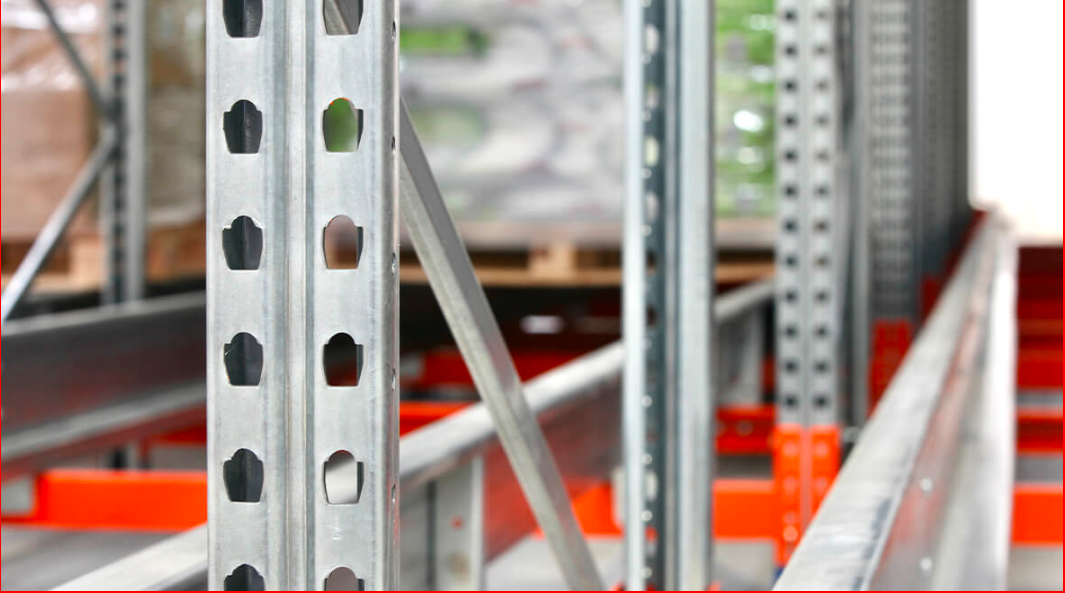
Cold storage and seismic-zone racking. Both Q235B and Q355B are rated for typical warehouse temperature ranges, but for cold storage environments or seismic-active regions, Q355B’s higher strength provides additional safety margin against thermal stress and lateral seismic loads. Structural engineering documentation for these environments should be provided by the manufacturer regardless of grade selection.
Boltless shelving and light-duty rack. For hand-loaded shelving, boltless configurations, and light-duty warehouse racking, Q235B is essentially always the appropriate specification. Q355B provides no meaningful benefit at these load classes and simply adds cost without corresponding performance gain.
Application-to-Steel-Grade Recommendation Table
| Racking Application | Typical Load Class | Recommended Grade | Rationale |
|---|---|---|---|
| Boltless shelving | Light (200–700 kg/level) | Q235B | Cost-effective, adequate strength |
| Standard selective pallet racking | Moderate (up to ~1,500 kg/pallet) | Q235B | Mainstream specification |
| Heavy-duty selective pallet racking | Heavy (>1,500 kg/pallet) | Q355B | Higher safety margin under load |
| Drive-in racking (interior columns) | Moderate | Q235B or Q355B | Depends on impact exposure |
| Drive-in racking (end-of-lane columns) | Moderate to Heavy | Q355B | Higher impact exposure |
| Cantilever racking (light loads) | Moderate | Q235B | Standard specification |
| Cantilever racking (heavy loads) | Heavy | Q355B | Bending load safety margin |
| VNA racking (moderate height) | Moderate to Heavy | Q235B or Q355B | Depends on height and load |
| High bay racking (>12 m) | Heavy | Q355B | Compounded loads at height |
| Structural racking (coils, machinery) | Very Heavy | Q355B or higher | Extreme static and dynamic loads |
| Cold storage or seismic zone racking | Varies | Q355B | Additional safety margin |
Expected Operational Improvements from Correct Grade Selection
Warehouses that specify steel grade based on actual application rather than defaulting to whichever grade the supplier offers first generally see:
- Better load safety margin, particularly for heavy-duty or high-impact applications where Q355B’s higher strength directly translates to structural safety
- More predictable long-term performance, since correctly specified racking is less likely to experience premature fatigue or component deformation under actual operating loads
- Optimized project cost, since specifying Q355B where it’s not needed adds cost without benefit, while under-specifying Q235B in demanding applications creates real risk
- Improved compliance positioning, since documented steel grade selection supports insurance, fire code, and audit requirements more effectively than unspecified material choices
- Longer effective service life, particularly in high-load or high-impact zones where Q355B’s higher fatigue resistance extends replacement cycles
Correct grade selection also supports the broader manufacturing quality principles covered in this guide to rack manufacturing process evaluation, since documented material choice is one of the more concrete quality indicators buyers can verify at the specification stage.
Project Considerations When Specifying Steel Grade
Request material certificates. For projects specifying Q355B, the manufacturer should provide mill test certificates confirming the actual material used matches the specification. Verbal or marketing claims without documentation are not equivalent to certified material sourcing.
Confirm the entire component set. In some projects, only certain components (columns, for example) use the higher grade while beams or bracing use Q235B. Documented specification of which components use which grade prevents ambiguity later.
Check regional standards equivalents. For projects installed outside China, buyers should confirm equivalent standards in the destination market — such as S235JR (EN 10025) for Q235B or S355JR for Q355B — since some markets specify racking using these European designations.
Factor total project cost, not just per-ton price. Q355B’s higher per-ton cost is often partially offset by lighter section requirements. Total project cost comparison should be based on full engineered configurations, not spot price of steel.
Coordinate with structural engineering. For heavy or unusual applications, steel grade selection should be part of a broader structural engineering review rather than a standalone material choice. This is particularly important for tall installations, seismic zones, or highly dynamic loads.
Consider service environment. Cold storage, chemical exposure, and coastal humidity all affect long-term material performance regardless of grade. Both Q235B and Q355B should be paired with appropriate coatings for the operating environment.
Verify supplier consistency. Some manufacturers use different grades across production runs based on material availability. Buyers should confirm the supplier’s practice, since this affects consistency across a large order or across multiple orders over time.
Frequently Asked Questions
Is Q355B always the better choice over Q235B? No. For standard light-to-moderate load applications, Q235B provides adequate performance at lower cost, and Q355B offers no meaningful benefit. Q355B becomes the better choice specifically for heavy loads, high-impact zones, tall installations, and structural applications where its higher strength directly matters.
Is Q345B the same as Q355B? Essentially yes. Q345B was renamed Q355B in the 2018 update to GB/T 1591, and the two designations refer to functionally equivalent material for most racking purposes. Older documentation and legacy specifications may still refer to Q345B.
Does using Q355B automatically make racking safer? Only for applications where the extra strength addresses a real load or impact demand. Using Q355B in a light-duty application does not make the racking safer — it just adds cost without improving performance meaningfully.
How much does Q355B typically cost compared to Q235B? Per ton, Q355B typically costs 15 to 25 percent more than Q235B, though total project cost difference is often smaller because Q355B configurations sometimes use thinner or lighter sections to achieve the same load rating.
What are the international equivalents of Q235B and Q355B? Q235B is broadly comparable to S235JR under European EN 10025 standards or A36 under ASTM. Q355B is broadly comparable to S355JR under EN 10025. Actual chemical composition and property ranges may differ slightly, so buyers exporting to specific regions should confirm equivalency with a qualified engineer.
Can Q235B and Q355B be welded together? Yes. Both grades are weldable and can be joined to each other, though welding procedures should account for the different strength characteristics, particularly in load-critical joints. Manufacturer engineering should confirm weld design where mixed-grade construction is used.
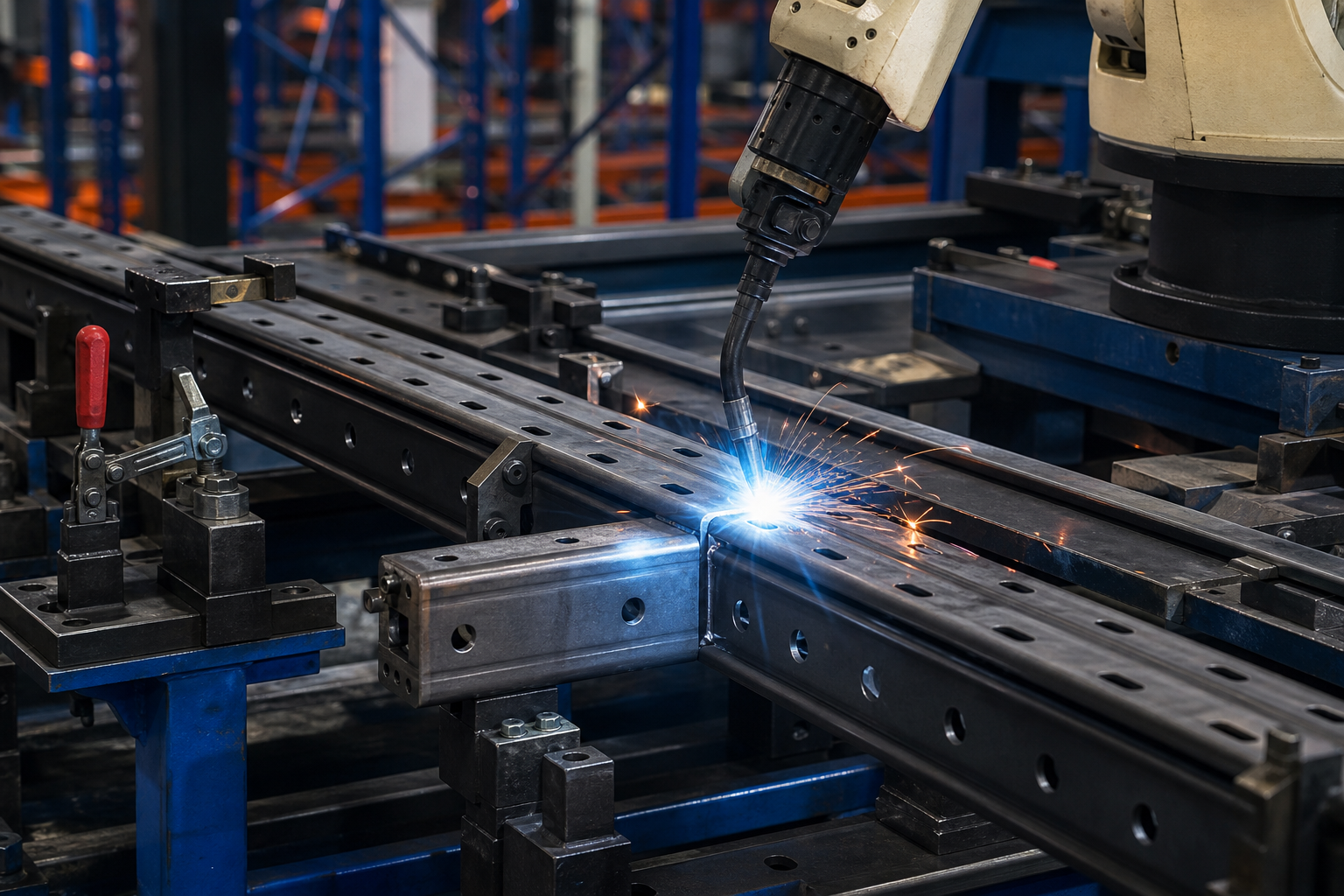
Which grade is better for high bay racking? For high bay racking exceeding roughly 12 meters, Q355B (or higher-strength structural grades) is generally specified for main load-bearing columns, since the compounded loads at height push standard Q235B closer to its safety margin.
Do I need to specify steel grade myself, or does the manufacturer decide? For standard racking, the manufacturer typically defaults to whichever grade suits the intended load rating. For heavy-duty or specialized applications, buyers benefit from explicitly specifying the grade in the project requirements and requesting confirmation via material certificates.
Key Takeaways
- Q235B is a carbon structural steel with 235 MPa yield strength, suitable for most standard racking applications where cost efficiency matters
- Q355B is a low-alloy high-strength steel with 355 MPa yield strength, appropriate for heavy-duty, high-impact, tall, or structurally demanding racking applications
- Q355B typically costs 15 to 25 percent more per ton but may result in similar or comparable total project cost when thinner sections offset the higher per-ton price
- Correct grade selection is driven by racking type, load class, height, and operating environment, not by choosing the “stronger” material universally
- Documented material specifications, mill certificates, and clear grade assignment across components are essential for verifying that the racking actually uses the specified grade
Conclusion
Choosing between Q235B and Q355B for racking is fundamentally a matching exercise between material properties and actual application demands, not a universal ranking of one grade over the other. Warehouses that specify grade based on load class, racking type, and operating conditions generally achieve the right balance of performance, safety, and cost, while those that default to the cheapest option in demanding applications — or over-specify in light applications — often see either safety issues or unnecessary project cost. Companies such as Lracking are commonly involved in projects where operators are working through this material specification decision, particularly for heavy-duty, high-impact, or tall racking installations where grade selection has direct implications for both structural integrity and long-term cost of ownership. For warehouses planning a racking project, an application-specific material specification — supported by mill certificates and engineering documentation — remains the most reliable way to ensure the racking delivers the load capacity and safety margin the operation actually requires.